






The Perfect Post-Monsoon Climate
October signals a significant shift in India's weather. The heavy rains have passed, and the harsh summer heat has subsided, creating a 'goldilocks' climate that is not too hot and not too cold. Temperatures in many parts of the country range from 18°C
to 30°C, which is the ideal range for both marigolds and chrysanthemums to establish strong roots without the stress of extreme heat or waterlogging. The soil, having been drenched by the monsoon, is now moist and easy to work with, promoting quick seed germination and healthy initial growth. This gentle weather allows young plants to thrive before the peak of winter arrives.
Get Your Soil Ready
Both marigolds and chrysanthemums require well-drained soil to prevent root rot. Before planting, it's essential to prepare your garden beds or pots. Start by clearing any weeds or remnants of previous plants. Loosen the soil and enrich it by mixing in a generous amount of organic matter like well-rotted compost or vermicompost. This not only adds vital nutrients but also improves the soil's structure and drainage. A good mix for pots is garden soil, compost, and a bit of sand to ensure water doesn't stagnate. For marigolds specifically, avoid making the soil overly fertile, as too much nitrogen can lead to lush green leaves but fewer flowers.
Planting Marigolds: The Flower of the Sun
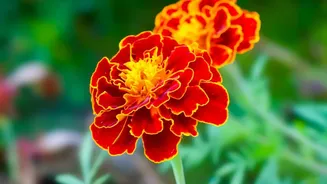
Known as 'Genda' in Hindi, marigolds are a staple in Indian households and festivals. They are incredibly easy to grow, making them perfect for beginners. You can sow seeds directly into the soil or transplant seedlings. If using seeds, sow them about a quarter-inch deep and keep the soil moist until they germinate, which usually takes 5-10 days. Marigolds are sun-lovers and need at least 6-8 hours of direct sunlight for abundant blooms. Once the seedlings have a few true leaves, space them about 6-12 inches apart, depending on the variety—taller African marigolds need more space than compact French types.
Planting Chrysanthemums: The Queen of Autumn
Chrysanthemums, or 'Shevanti', bring a touch of elegance to any garden with their diverse colours and shapes. While they can be grown year-round, planting in late summer or early autumn helps them develop a robust root system before winter. Chrysanthemums thrive in full sun, needing about 5-6 hours daily to produce the best blooms. They prefer consistently moist, well-drained soil rich in organic matter. Water them regularly at the base of the plant to avoid fungal diseases on the leaves. You can propagate chrysanthemums from cuttings or buy young plants from a nursery. Planting them in October ensures they will be ready to burst into flower during the cooler months of winter.
Timing is Everything for the Festive Season
One of the most compelling reasons to plant these flowers in October is their connection to India's festive calendar. By sowing seeds or planting saplings now, you are ensuring a fresh, bountiful supply of flowers for Dussehra, Diwali, and other winter celebrations. Marigolds, in particular, are central to Diwali decorations, used for making garlands (torans), decorating temples, and creating vibrant rangoli designs. Having a garden full of blooming marigolds and chrysanthemums means your festive decorations will be beautiful, fragrant, and straight from your own home. Flowers typically appear within 6-8 weeks of planting, perfectly timing their arrival for the festival of lights.