

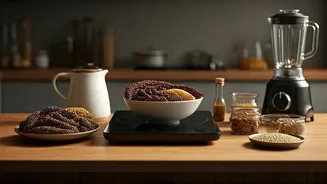


A Forgotten Nutritional Powerhouse
Before they even make it to a pan, jackfruit seeds boast an impressive nutritional profile. They are a good source of protein, dietary fibre, and essential minerals like potassium, magnesium, and iron. They also contain important B-complex vitamins, such
as thiamine and riboflavin, which help the body convert food into energy. Traditionally used in various regional cuisines across India, these seeds are now being rediscovered for their health benefits, which include aiding digestion, boosting immunity, and supporting heart health. The high fibre content helps maintain good gut health, while antioxidants found in the seeds may help combat inflammation.
Essential First Steps: How to Prepare Jackfruit Seeds
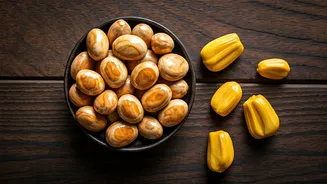
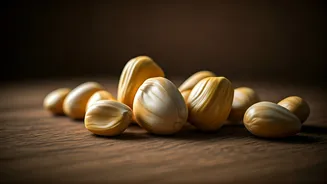
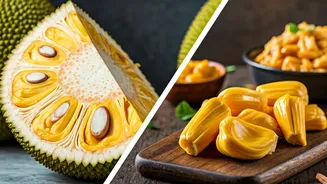
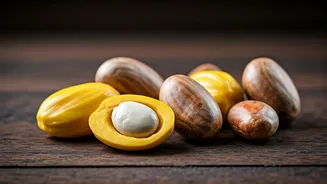
Jackfruit seeds cannot be eaten raw as they contain compounds that can interfere with nutrient absorption. Proper cooking is essential to deactivating these antinutrients and making them safe and delicious. The preparation is simple. First, remove the seeds from the fruit pods and wash them thoroughly. The most common methods are boiling or roasting. To boil, place the seeds in a pot, cover with water, and cook for 20-30 minutes until they are tender enough to be pierced with a fork. Alternatively, you can roast them in a 400°F (200°C) oven for about 20 minutes. Once cooked and cooled, the tough outer white layer can be peeled off. The thin, light brown skin underneath is edible and can be left on.
Simple Snacks and Roasted Delights
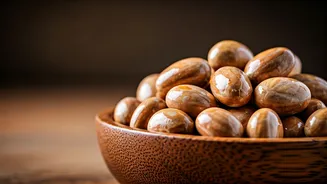
The easiest way to enjoy jackfruit seeds is as a simple, wholesome snack. Once boiled or roasted and peeled, they can be eaten with just a sprinkle of salt. Their flavour is often compared to chestnuts or Brazil nuts. For a more flavourful option, you can pan-fry the boiled seeds. Heat a little oil in a pan, add the seeds, and sauté them with salt, pepper, and perhaps a pinch of chilli powder or garlic until they are golden brown and slightly crisp. This makes for a fantastic evening snack or a crunchy topping for salads and soups.
The Main Event: Curries and Stir-Fries
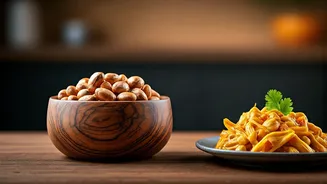
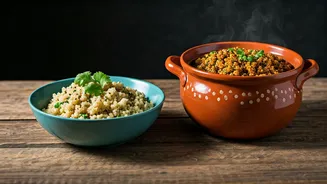
This is where jackfruit seeds truly shine. Their starchy, potato-like texture makes them a perfect addition to a variety of Indian gravies and dry preparations. In South India, they are a star ingredient in dishes like 'palakottai poriyal' (jackfruit seed stir-fry) and 'kurma'. For a simple stir-fry, temper oil with mustard seeds and curry leaves, sauté onions, and then add the boiled, chopped seeds along with turmeric and red chilli powder. They absorb flavours beautifully in coconut-based curries, providing a hearty and satisfying bite. You can add them to sambar, vegetable stews, or a classic 'erissery' from Kerala for added texture and nutrition.
Beyond the Curry: Grinding into Flour
The versatility of jackfruit seeds doesn't end with whole preparations. Once dried, the seeds can be ground into a nutrient-dense, gluten-free flour. This flour can be used as a thickener in soups and gravies or mixed with other flours to make baked goods like cookies and flatbreads. Using jackfruit seed flour is an excellent way to boost the protein and fibre content of your meals. While it requires a bit more effort to dry and grind the seeds, the result is a valuable ingredient that aligns perfectly with a zero-waste kitchen philosophy.