



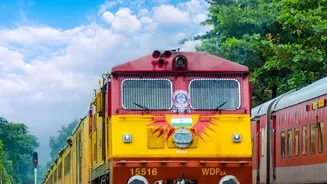
What Makes Vande Bharat a Game-Changer?
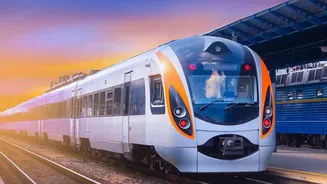
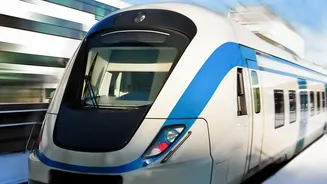
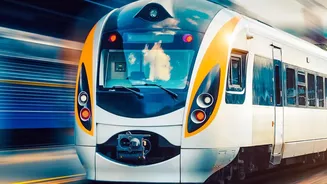
Since its debut in 2019, the Vande Bharat Express has fundamentally altered the experience of train travel in India. These indigenously manufactured, semi-high-speed trains prioritise speed and comfort, shrinking journey times on major routes. With fully
air-conditioned coaches, large panoramic windows, Wi-Fi, and onboard catering, they offer an experience closer to air travel but with the convenience of city-centre stations. Unlike traditional trains, their self-propelled system allows for quicker acceleration and deceleration, significantly cutting down on travel time and making 48-hour trips feel less rushed and more restorative. As the network grows to connect over 68 cities with more than 100 services, the potential for spontaneous and accessible weekend tourism is booming.
Northern Escapes: From Delhi to the Hills and Heritage
For those in the capital, the Vande Bharat network has unlocked a host of quick getaways. The Delhi-Katra service, a major pilgrimage route, makes a weekend trip to the Vaishno Devi shrine much more feasible. Similarly, the train to Dehradun, with a journey time of around four and a half hours, brings the foothills of the Himalayas within easy reach for a refreshing break. Another popular route connects Delhi to Ajmer, putting the spiritual hub of Pushkar and the heritage city of Jaipur on the weekend map. The journey to Chandigarh is now a swift two-hour ride, perfect for exploring the planned city's unique architecture and green spaces. These connections have proven immensely popular, linking the bustling metro to key religious and tourist destinations.
Southern Journeys: Connecting Coasts and Tech Hubs
South India's Vande Bharat routes connect vibrant cities, serene coastal towns, and important cultural centres. The Chennai-Mysuru service has been a boon for travellers, connecting the two cities in about six and a half hours, making a weekend exploring Mysuru's palaces and markets a simple affair. Another key southern corridor is the Visakhapatnam-Secunderabad line, linking coastal Andhra Pradesh with the bustling metropolis of Hyderabad. In Kerala, the Ernakulam-Bengaluru route launched in late 2025 has improved connectivity between the two states, facilitating both business and leisure travel. The network continues to expand, with routes like Chennai to Nagercoil connecting major towns across Tamil Nadu, including Tiruchirappalli and Madurai.
Western Corridors: Mumbai to Gujarat and Goa
In the west, Vande Bharat trains are shrinking the distances between major financial hubs and popular holiday spots. The Mumbai-Ahmedabad route is a prime example, allowing for quick business trips or weekend explorations of Gujarat's rich culture. For a coastal escape, the Mumbai-Goa Vande Bharat offers a scenic and swift journey to the popular beach destination. The service connecting Mumbai to Sainagar Shirdi has also been transformative for pilgrims, covering the distance in just over five hours. These routes not only serve tourists but also provide a faster commuting option for a large number of regular passengers, boosting regional economies.
The Next Frontier: Vande Bharat Sleeper
The latest evolution in the Vande Bharat story is the introduction of sleeper trains, designed for comfortable overnight travel on longer routes. The first commercial service was launched in January 2026 between Howrah and Kamakhya, covering nearly 1,000 km. These trains feature modern berths, enhanced safety features, and even hot water showers, aiming to redefine long-distance rail travel. With plans to roll out more sleeper services on busy corridors like Delhi-Mumbai and Delhi-Howrah, even more distant destinations will soon become viable for weekend trips, allowing travellers to sleep through the journey and wake up refreshed at their destination.