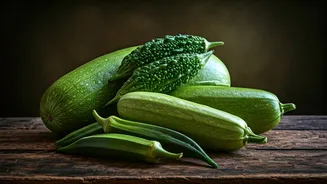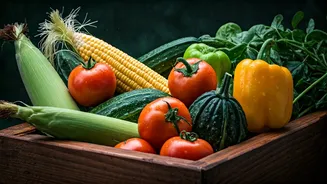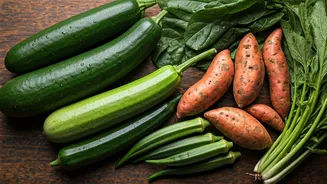






Bottle Gourd (Lauki)
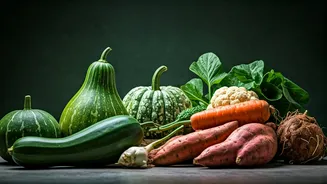
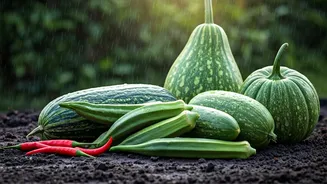
A quintessential monsoon vegetable, lauki is your best friend when it comes to digestion. Composed of about 96% water, it's incredibly hydrating and light on the stomach, which is crucial during a season when our digestive fire (agni) is considered weaker.
Its cooling properties help manage acidity, and it's rich in fibre, which aids in regular bowel movements. When buying, look for a pale green, smooth-skinned gourd that is firm to the touch and doesn't have any blemishes. Avoid any that feel soft or have wrinkled skin. A simple lauki ki sabzi with a hint of ginger and cumin is not just comfort food; it's a seasonal wellness ritual.
Ridge Gourd (Turai/Tori)
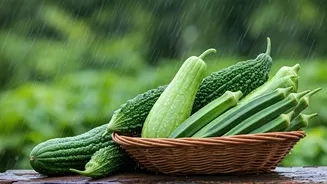
Similar to its cousin lauki, ridge gourd is another hydrating vegetable that's perfect for the damp weather. It is an excellent source of dietary fibre and is packed with Vitamin C and zinc, which are known to boost the immune system—a definite plus during a season known for colds and flu. Its slightly sweet, earthy flavour works beautifully in simple stir-fries or as part of a lentil-based dish like turai chana dal. When selecting, choose young, tender gourds with a vibrant green colour and firm ridges. The heavier they feel for their size, the fresher they are. They are easy to digest and their regular consumption can help purify the blood.
Bitter Gourd (Karela)
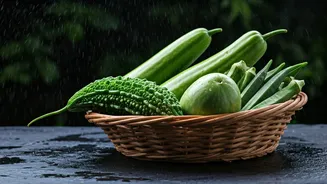
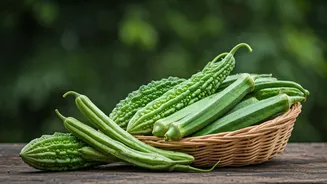
Don't let the name put you off! Bitter gourd is a powerhouse of nutrients that becomes especially important during the monsoon. It's renowned for its blood sugar-regulating properties and is loaded with antioxidants and vitamins that help fight off infections. The bitterness is a sign of its potent medicinal qualities. To make it more palatable, you can salt the sliced gourd and let it rest for 30 minutes before squeezing out the bitter juices. A crispy, stuffed karela or a simple stir-fry with onions and potatoes can convert even the most ardent sceptics. Look for firm, dark green gourds that are not too pale, as that can indicate they are overripe.
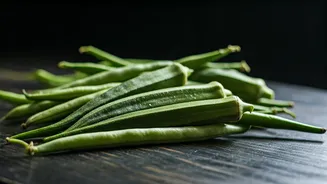
Okra (Bhindi)
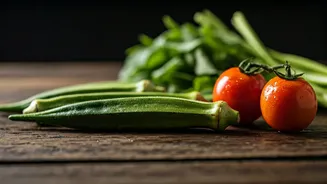
While available for a large part of the year, okra truly shines during the monsoon. It's a great source of soluble fibre, which helps stabilise blood sugar levels and promotes a healthy gut. Rich in vitamins A and C, it supports both vision and immunity. The key to perfect monsoon bhindi is ensuring it's completely dry before you chop it, which prevents it from becoming slimy during cooking. A classic bhindi fry, kurkuri bhindi, or bhindi masala are all excellent ways to enjoy this vegetable. Choose small to medium-sized pods that are bright green and snap easily when you bend them. Avoid those with blemishes or a dull colour.
Pointed Gourd (Parwal)
Often overlooked, parwal is a nutritional gem that thrives in the rainy season. It is very easy to digest and is known in Ayurveda to balance the kapha dosha, which is often aggravated during the monsoon. It helps keep cough, cold, and flu at bay. Packed with fibre, Vitamin A, and Vitamin C, it's a fantastic vegetable for maintaining gut health and overall immunity. You can make a simple curry, stuff it with a masala paste, or fry it until crisp. When shopping, select small, firm, and green parwals. They should be free of any yellowing, as that's a sign of ripeness which can make them tough and seedy.
A Note on Leafy Greens
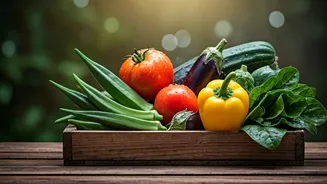
Traditional wisdom often advises caution with leafy greens like spinach and fenugreek during the monsoon. The high humidity and dampness can make them more susceptible to mud, grit, and germs. If you do choose to eat them, be extra diligent. Wash them thoroughly in a saline or vinegar solution, and ensure they are cooked completely. It's generally safer to stick to the gourds and root vegetables that are the true stars of the season, offering nutrition without the added risk.