




A Tapestry of Then and Now
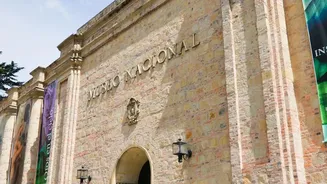
Walking through a textile exhibition at the National Crafts Museum & Hastkala Academy is an immersive experience. A recent standout, 'Sutr Santati' (the continuity of the thread), perfectly encapsulated this feeling. Conceived to celebrate 75 years of Indian
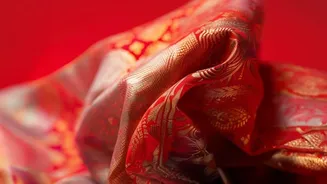
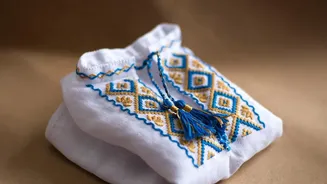
independence, the exhibition brought together works from over 75 designers, master weavers, and artists. It was a breathtaking showcase of what happens when heritage is not just preserved but actively engaged with. Featuring a dizzying array of techniques like resist-dyeing, intricate embroidery, and complex hand-weaving, the textiles on display were not dusty relics. Instead, they were vibrant statements of identity, skill, and creative spirit. The exhibition highlighted yarns from local Kala cotton of Gujarat to Eri silk from the Northeast, presenting a living library of India's material culture. The central theme was continuity—linking the past to the present to chart a course for the future.
The Rise of Radical Experimentation
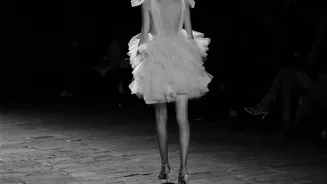
Parallel to this deep-rooted tradition, the Indian design landscape is buzzing with experimentation. A new generation of creators is pushing the boundaries of what textiles can be. This involves everything from incorporating unconventional materials and digital jacquard weaving to creating 'smart textiles' embedded with technology. Designers are exploring abstract forms, deconstructing traditional silhouettes, and using techniques like Arashi Shibori (pole-wrapping) in new contexts. This push towards the new is exciting and vital; it prevents craft from stagnating. However, in the race for novelty, there's a risk of losing the very soul of the craft—the deep knowledge of material, the patience of handwork, and the cultural narratives woven into every thread. This is where the dialogue with institutions like the National Crafts Museum becomes so essential.
A Grounding in Master Craftsmanship
This is the "useful check" the headline speaks of. An exhibition like 'Sutr Santati' doesn't rebuke experimentation; it grounds it. By placing masterfully executed traditional pieces alongside contemporary interpretations, it provides a benchmark for quality and intent. When you see a perfectly woven Patan Patola by a master like Gaurang Shah, you understand the incredible geometric precision that artisans can achieve by hand. When you witness the subtle beauty of a white-on-white embroidery by Asif Shaikh, you appreciate how minimalism can be more powerful than bold statements. These pieces serve as a powerful counterpoint to experimental work that might prioritize concept over execution. They remind us that true innovation often comes from a profound understanding of the rules before one attempts to break them. The exhibition showcases how today's city-based designers are collaborating with artisans across India, creating a fresh aesthetic with international appeal.
Dialogues on the Loom
The most exciting works are often those that exist in the space between pure tradition and radical experiment. 'Sutr Santati' was filled with such dialogues. For instance, couturier Gaurav Gupta's collaboration on a pashmina shawl used traditional aari embroidery to depict a contemporary, spiritual theme. Similarly, designer Tarun Tahiliani offered his modern take on Mata ni Pachedi, a traditional painted temple cloth from Gujarat. These pieces weren't just about preserving a technique; they were about using that technique to say something new. They demonstrated that tradition is not a static endpoint but a rich language that can be used to tell contemporary stories. This collaborative spirit, linking fashion designers, students, and revivalists with master craftspeople, is perhaps the most energizing takeaway from such showcases.