





The Rise of 'Exercise Snacking'
The concept of 'exercise snacking' is simple: instead of one long workout, you engage in several short bouts of movement, from one to ten minutes, throughout the day. Science shows that these micro-workouts are surprisingly effective. Accumulating activity
in short bursts can offer comparable cardiovascular and health benefits to a single, continuous session. Studies have shown that even a few one-minute bursts of vigorous activity daily can be associated with significantly lower mortality risks. These brief sessions help break up long periods of sitting, which is linked to various health issues. By elevating your heart rate multiple times a day, you can improve heart health, boost metabolism, and enhance mood without needing to change clothes or block out a large chunk of your calendar.
Reframe Your Schedule, Find the Gaps
The first step is to treat your fitness like a non-negotiable appointment. Block out small, 10- or 15-minute slots in your calendar. These are not afterthoughts; they are scheduled commitments. Look for the natural gaps in your day. Perhaps it’s the 10 minutes before your first video call, the time spent waiting for your food to heat up, or the break between finishing one report and starting another. Setting a timer to remind yourself to stand up and move every hour can be a powerful tool. The goal is consistency, not duration. By consciously identifying these pockets of time, you create opportunities for movement that were previously overlooked. Even a few five-minute sessions add up, helping you meet daily activity goals.
Desk-Friendly Moves for the Office
You don't need a gym or even much space to get active at work. Many effective exercises can be done right at your desk. Try desk push-ups by placing your hands on the edge of a sturdy desk, stepping back, and lowering your chest. Seated leg lifts, where you extend one leg straight out and hold, are excellent for your quadriceps. For your back and shoulders, which often get stiff from sitting, a simple shoulder blade squeeze can work wonders. To release tension in your neck, gently tilt your head from side to side, holding the stretch. Even marching in place while seated can get your blood flowing. These movements are discreet, require no equipment, and help counteract the negative effects of a sedentary workday.
High-Intensity Bursts at Home
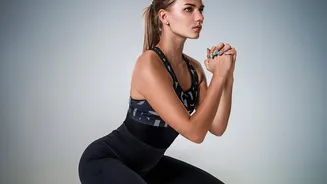
For those working from home, the possibilities expand. High-Intensity Interval Training (HIIT) is perfectly suited for short sessions. A HIIT workout involves short bursts of all-out effort followed by brief recovery periods. This can be as simple as doing jumping jacks for 30 seconds, resting for 15, and repeating. Other great bodyweight exercises include squats, lunges, and burpees, which engage multiple muscle groups at once for maximum efficiency. You can create a quick circuit: perform squats for 40 seconds, rest for 20, then move to push-ups. A 10-minute session can significantly boost your heart rate, improve endurance, and burn calories effectively.
Making Movement a Habit
The key to long-term success is making these short sessions an automatic part of your routine. Start small and choose activities you genuinely enjoy. If you like to dance, put on a favourite song and move for a few minutes. Link a new exercise habit to an existing one; for example, do 20 squats every time you get up to get water. The easier you make it to start, the more likely you are to stick with it. Don't worry about perfection. The goal is simply to move more and sit less. Over time, these 'exercise snacks' will become a natural and energising part of your workday, proving that you don't need to choose between your career and your health.