



The Taste in the Cup
When experts describe Araku coffee, they often mention a symphony of flavours. Alongside notes of chocolate, caramel, and a hint of spice, a distinct fruitiness reminiscent of berries frequently stands out. This isn't an artificial flavouring, but a complex
characteristic developed right from the soil. Depending on the specific roast and processing method, this can range from a bright citrusy tang to the deeper sweetness of plum, raisin, or blackcurrant. This vibrant acidity and fruity sweetness provide a balance that distinguishes it from the traditionally earthy profiles of many other Indian coffees, offering a cup that is both complex and exceptionally smooth.
A Valley Unlike Any Other
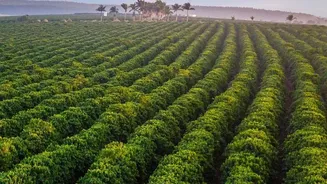
The secret to this unique taste begins with the land itself. Nestled high in the Eastern Ghats of Andhra Pradesh, the Araku Valley boasts a terroir that is perfect for cultivating high-quality Arabica. The coffee is grown at altitudes of 900 to 1,100 metres, where the warm days and cool nights cause the coffee cherries to ripen slowly. This slow maturation process allows the natural sugars and complex aromatic compounds inside the bean to develop more fully, resulting in a sweeter, more flavourful coffee. The region’s iron-rich laterite soil further contributes to the robust and intricate flavour structure of the final bean.
The Human Element: A Story of Empowerment
The story of Araku coffee is inseparable from the Adivasi (tribal) communities who cultivate it. For generations, these farmers practiced subsistence farming. That changed when the Naandi Foundation, a non-profit organisation, began working with them in the early 2000s. By organising the farmers into a cooperative, the foundation helped them transition to growing world-class coffee. This initiative has not only placed Araku on the global coffee map but has also provided a sustainable livelihood for thousands of families, empowering them with fair prices and transforming the local economy. Today, the cooperative is a celebrated model of social enterprise, winning international awards for its Arakunomics model of regenerative agriculture.
Farming in Harmony with Nature
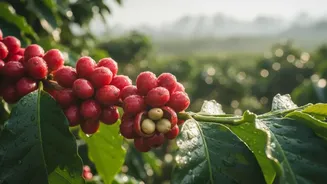
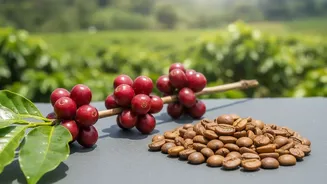
The exceptional quality of Araku coffee is also a direct result of its organic and biodynamic farming methods. The coffee is entirely shade-grown, cultivated under a canopy of silver oak, mango, and jackfruit trees. This biodiversity enriches the soil, protects the coffee plants, and eliminates the need for chemical pesticides and fertilisers. Furthermore, every coffee cherry is meticulously hand-picked. Unlike machine harvesting, which collects ripe and unripe cherries alike, Adivasi farmers select only the perfectly ripe, crimson-red cherries. This painstaking process is crucial, as only the ripest cherries contain the peak sweetness and complexity that translate into those coveted berry and fruit notes in the final cup.
The Art of Processing
Once picked, the way the coffee is processed plays a final, critical role in shaping its flavour. Different methods are used in Araku, from the 'washed' process that yields a clean, bright acidity, to 'natural' and 'honey' processes where the fruit of the cherry is left on the bean for a period as it dries. These latter methods allow the natural sugars and fruity esters from the cherry's pulp to infuse into the bean, significantly amplifying the sweet, berry-like flavours that connoisseurs praise. By mastering these techniques, the farmers of Araku can precisely control the coffee's final profile, producing award-winning micro-lots celebrated for their distinct and delightful fruitiness.