






The Smart Shift to the Shoulder Season
For decades, the Indian travel calendar was predictable: school holidays and festive long weekends dictated when people took their big trips. This often meant joining massive crowds in popular destinations, paying peak prices for flights and hotels, and navigating
congested attractions. That model is now evolving. A significant number of Indian travellers are deliberately planning trips during the 'shoulder seasons'—the periods just before or after the peak tourist rush. According to a 2026 Skyscanner report, 37% of Indian travellers now choose these windows specifically to avoid crowds, while a Booking.com report noted that 45% prefer off-peak travel. This isn’t just about saving money; it’s a strategic move towards a better quality of travel, where the experience itself is the priority over simply checking a place off a list.
Discovering Europe’s Autumnal Charm
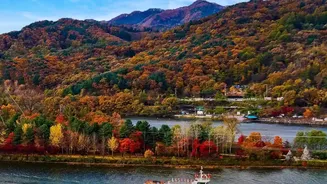
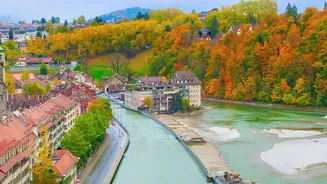
The dream of a European holiday is no longer confined to the sweltering months of July and August. Savvy travellers are discovering the magic of the continent in September and October. During these months, the weather is pleasantly cool, perfect for sightseeing without the fatigue of summer heat. The landscapes, from the Scottish Highlands to the forests of Bavaria, are transformed by spectacular autumn colours. More importantly, the crowds have thinned out, making it easier to enjoy world-famous museums and landmarks. Flights and hotels are also more affordable, offering better value for money. An autumn trip to Europe means experiencing its cities and countryside in a more relaxed and atmospheric way, a preference that reflects a growing desire for more meaningful travel.
Asia’s Year-Round Appeal and Closer Escapes
Alongside the shift in European travel, there is a booming interest in destinations closer to home. Asian countries are increasingly popular, not just for their affordability and convenient travel times, but for their diverse seasonal offerings. Destinations in Southeast Asia like Vietnam, Thailand, and Malaysia are attracting travellers for short, frequent breaks throughout the year. Many are planning trips to coincide with specific experiences, like the cherry blossoms in Japan or the unique charm of monsoon travel in Sri Lanka or parts of Vietnam. The rise of visa-free or visa-on-arrival options for Indian passport holders in many of these nations has further fuelled this trend, making spontaneous and flexible travel easier than ever. This move towards more frequent, shorter international trips within Asia complements the longer, well-planned European holidays, creating a more balanced and dynamic travel portfolio.
What’s Driving This New Flexibility?
Several factors are contributing to this evolution in travel habits. The rise of hybrid and remote work culture has been a major catalyst, freeing many professionals from the rigid constraints of office-based leave calendars. This allows for mid-week departures and extended 'workations' that blend professional duties with leisure. There is also a growing sense of 'destination saturation'; popular spots like Bali and Phuket feel increasingly crowded, pushing discerning travellers to seek out less-common alternatives or visit during quieter times. Furthermore, the modern Indian traveller is more informed and research-driven, using digital tools to compare costs, monitor airfare fluctuations, and discover unique experiences beyond the mainstream. This shift is less about abandoning popular destinations and more about engaging with them on one's own terms.
A New Era of Smarter Travel
This growing flexibility is the hallmark of a maturing Indian outbound travel market. The focus is shifting from a destination-centric checklist to an experience-first mindset. Travellers are asking not just where to go, but when is the smartest time to go for the kind of trip they want. This approach benefits both the traveller and the destination. For travellers, it means less stress, lower costs, and more authentic interactions. For destinations, it helps distribute the economic benefits of tourism more evenly throughout the year, reducing the strain on local infrastructure during peak months. As Indians continue to explore the world in greater numbers—with outbound tourism spending projected to grow significantly—this move towards more conscious and flexible planning signals a fundamental change in how the country sees the world.