






Why ‘Lightweight’ is a Golden Rule
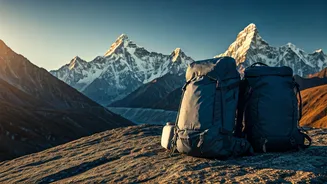
In the Himalayas, weight is not just a number—it's a critical safety factor. Every extra kilogram in your rucksack feels exponentially heavier as the air thins. At high altitude, your body is already working overtime to function with less oxygen. A heavy
pack increases this strain, leading to faster exhaustion, slower acclimatization, and a higher risk of altitude sickness. It can also affect your balance on narrow, treacherous trails, turning a simple misstep into a serious accident. Remember, you’re not just carrying your gear; you’re carrying it up thousands of metres. The goal is to carry only what is essential for survival and safety, allowing you to move efficiently, conserve precious energy, and actually enjoy the stunning landscapes around you rather than focusing on the ache in your shoulders.
The Unexpected Wisdom of Going Tech-Free
In our hyper-connected world, leaving technology behind feels counterintuitive. But in the extreme cold and remote conditions of the Himalayas, tech is often a liability, not a help. Batteries drain alarmingly fast in sub-zero temperatures. A power bank that lasts a week at home might die in a day. Screens can freeze or crack, and charging points are scarce, unreliable, and often costly in remote tea houses. Relying on a smartphone for navigation is a gamble you can’t afford to lose. This isn’t about being a purist; it's about being practical. The 'tech-free' philosophy prioritizes reliability. It means choosing gear that won't fail when you need it most, ensuring your focus remains on the mountain, not on a dead battery.
Essential Gear That Makes The Cut
Packing light doesn't mean being unprepared. It means choosing multi-purpose, high-quality items that deliver maximum function for minimum weight. Your non-negotiable list should include a well-broken-in pair of waterproof trekking boots, a high-quality down jacket for insulation, and a layered clothing system (base, mid, and outer shell) that you can adjust to changing conditions. A comprehensive first-aid kit, water purification tablets or a filter, and high-UV-protection sunglasses are vital. Your sleeping bag must be rated for temperatures well below freezing. This core gear is your lifeline. Invest in the best quality you can afford; in the Himalayas, your equipment is an extension of your survival strategy.
Smart Swaps: Analog Over Digital
Embracing a low-tech approach involves making smart substitutions. Instead of relying on a GPS app on your phone, carry a physical, laminated map of your route and a reliable compass—and know how to use them. These tools never run out of battery. Swap your Kindle or tablet for a single, lightweight paperback. Not only is it more durable, but it encourages a deeper, more mindful connection with your downtime. Instead of scrolling through social media, document your journey in a small notebook or journal with a pen that works in the cold. It will become a far more precious souvenir than a digital photo gallery. For timekeeping, a simple, durable analog watch is far more dependable than a smartwatch that requires daily charging.
What You Must Leave Behind
The secret to a light pack is knowing what *not* to bring. Leave all cotton clothing, especially jeans, at home; they absorb moisture, take forever to dry, and offer poor insulation. Ditch the heavy laptop, drone (unless you have permits and professional need), and bulky camera gear with multiple lenses. One small, rugged camera or a good quality phone (used sparingly) is enough. Forget multiple pairs of casual shoes; your trekking boots and a pair of lightweight camp slippers are all you need. Avoid bringing full-sized toiletries; decant shampoo and soap into small, reusable travel bottles. Every item should be questioned: Is it essential for my safety and basic comfort? If the answer is no, leave it behind. Your future self, trekking at 5,000 metres, will thank you.