



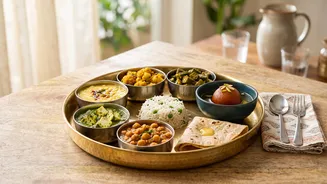

Beyond the Binge-and-Guilt Cycle
For years, festive seasons in India have been synonymous with tables laden with delicacies, where eating to excess felt like part of the tradition. This often led to an unhealthy cycle: overindulgence, followed by restrictive dieting and intense feelings
of guilt. However, wellness experts and nutritionists are observing a significant shift. The modern approach is less about restriction and more about awareness. It’s a move away from the 'all or nothing' mindset that labels foods as 'good' or 'bad'. This new perspective suggests that occasional celebratory meals have a minimal long-term impact on health when part of a balanced lifestyle. The real harm, experts argue, can come from the stress and anxiety associated with food guilt, which can paradoxically lead to overeating.
The Art of Savouring
At the heart of this trend is mindful eating—the practice of being fully present with your food. It’s not a diet, but a form of awareness that encourages you to engage all your senses. Instead of eating on autopilot while distracted by screens or conversations, you are encouraged to notice the colours, aromas, and textures of each bite. This simple act of slowing down and savouring your food does two things. First, it enhances satisfaction, making even a smaller portion feel more fulfilling. Second, it helps you tune into your body’s natural hunger and fullness cues, allowing you to stop when you are comfortably satisfied, not painfully stuffed. This practice transforms eating from a mindless act into a genuinely joyful and nourishing experience.
Smarter Plates, Not Empty Ones
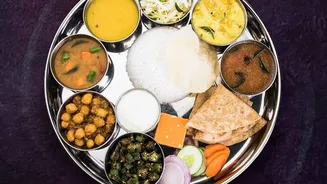
Portion control is a key component of this shift, but it’s been reframed. It’s no longer about deprivation but about balance and variety. One popular and effective technique is simply using a smaller plate. Studies show that a larger plate can unconsciously lead you to serve and eat more food. By choosing a salad-sized plate, you can naturally moderate your portions without feeling like you're missing out. Another strategy is to fill half your plate with vegetables or a fresh salad first. This ensures you get a healthy dose of fibre and nutrients while leaving room to enjoy smaller sample sizes of richer festive specialities. The goal is to enjoy all the foods you love in moderation, not to eliminate them entirely.
Why Skipping Meals Often Backfires
A common mistake during festive periods is skipping meals to “save up” calories for a big feast later. Nutritionists warn this strategy almost always backfires. Arriving at a celebration ravenously hungry makes you far more likely to overeat and make less mindful choices. Maintaining a regular eating schedule—including a balanced breakfast and lunch—helps keep blood sugar levels stable and hunger cues manageable. A meal containing protein, fibre, and healthy fats can set a steady foundation for the day, empowering you to make conscious decisions at the party rather than being driven by extreme hunger. This consistency is crucial for staying in control and feeling energised throughout the celebrations.
Giving Yourself Permission to Enjoy
Perhaps the most profound aspect of this evolving approach is the deliberate rejection of food guilt. Health is defined by consistent patterns, not by a single meal or day of celebration. Giving yourself unconditional permission to eat the foods you truly love is a core tenet of mindful eating. When you forbid certain foods, you create a scarcity mindset that can lead to a cycle of craving, overeating, and regret. By contrast, allowing yourself to enjoy special treats in sensible portions fosters a healthier, more peaceful relationship with food. It shifts the focus from anxiety to connection, tradition, and enjoyment—the true essence of any festival.