
More Than Just Rain
In most cities, heavy rain means waterlogging. In Mumbai, it’s a perfect storm of circumstances. The city, a collection of islands stitched together over centuries, has large swathes of land that are low-lying, some even below sea level. During the monsoon,
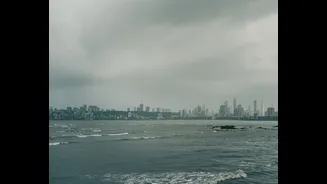
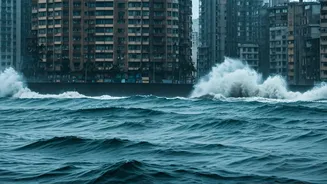
when the Arabian Sea swells, high tides act like a plug, preventing the city's overflowing drains from emptying rainwater into the sea. The result is a uniquely Mumbai problem: water from the sky meeting water from the sea, with the city's residents caught in the middle. This combination of heavy rainfall and high tides poses a significant risk of flooding, turning routine commutes into city-wide adventures.
The City's Sacred Text: The Tide Calendar
Every year, the Brihanmumbai Municipal Corporation (BMC) releases a schedule of high-tide dates, which quickly becomes essential reading for the city. This isn't just a weather forecast; it's a strategic document. For 2026, the BMC has identified 24 days between June and September with tides forecast to rise above the crucial 4.5-metre mark. July is set to be particularly challenging, with a spell of major tidal activity between July 13 and July 18. The season's highest tide is predicted for July 16, expected to reach a staggering 4.89 metres. These are the dates that get circled in calendars and shared on WhatsApp groups, as Mumbaikars plan their work, travel, and lives around the sea's rhythm.
An Annual Rite of Passage
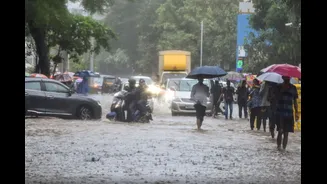
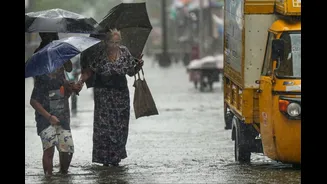
This is where the 'adulting' part truly kicks in. It’s the learned behavior of checking tide timings before scheduling a meeting in a low-lying area like Hindmata or Kurla. It's the muscle memory of glancing at the BMC's social media for alerts before leaving the office. You learn to pack a waterproof bag, charge your power bank, and accept that a train journey might be indefinitely delayed. The shared language of “high tide hai” (there's a high tide) becomes a city-wide signal to be patient, be prepared, and be empathetic to fellow commuters. It’s a form of collective responsibility, a sign that you understand the city’s fundamental fragility and resilience.
When the System is Overwhelmed
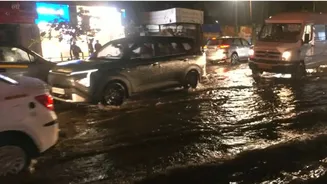
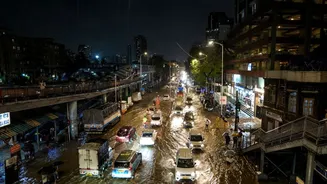
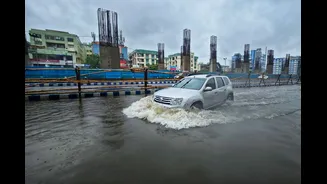
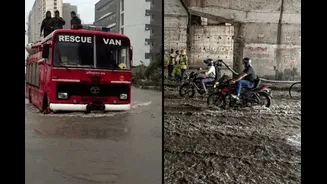
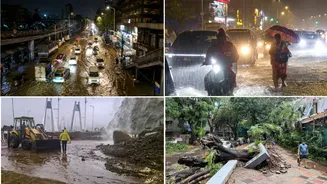
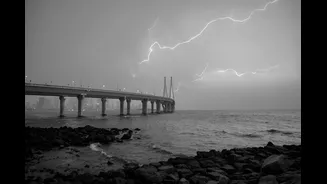
Even with preparation, the combination of an extreme high tide and intense rainfall can bring the city to a standstill. The city’s stormwater drainage system, much of it over a century old, was designed for a fraction of the rainfall intensity the city now faces. When high tides block the outfalls, this aging network is quickly overwhelmed. This leads to severe waterlogging that submerges roads and railway tracks, disrupting the local trains that are the lifeline for millions. On these days, disaster response teams are on high alert, and the BMC advises residents to avoid coastal areas and promenades like Marine Drive and Bandstand. It's a stark reminder of the city's ongoing battle with its own geography and infrastructure.
The Modern Mumbaikar's Toolkit
While the challenge is perennial, the tools for managing it have evolved. Today’s Mumbai adulting involves more than just an intuitive sense of the weather. It means having tide-tracking apps on your phone and following official handles like the BMC and Mumbai Police for real-time advisories. It’s about knowing which news outlets provide reliable updates on traffic and train statuses. This digital preparedness is coupled with an old-school spirit of community. People offer shelter to strangers, share live updates on social media about flooded routes, and guide each other through waterlogged streets. It’s a blend of technology and human connection that defines the monsoon experience in the city.