
The Science Behind the Bubbles
At its core, fermentation is a natural transformation. It's a process where beneficial microorganisms, like bacteria and yeast, break down the sugars and starches in food, creating lactic acid, alcohol, or gases. This not only preserves the food but also
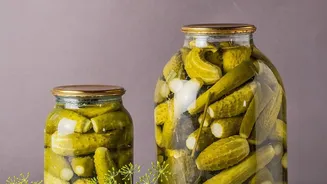
creates a host of beneficial compounds, including probiotics. The process, known as lacto-fermentation when applied to vegetables, needs only two key ingredients: vegetables and salt. The salt creates a brine that inhibits the growth of harmful bacteria, allowing the good guys—the Lactobacillus bacteria naturally present on the vegetables—to thrive and work their magic. These microbes get to work, converting sugars into lactic acid, which acts as a natural preservative and gives fermented foods their characteristic tangy flavour.
Why Go Oil-Free?
Many traditional Indian pickles (achaars) are famous for their generous use of oil, particularly mustard or sesame oil. This oil serves a crucial purpose: it acts as a sealant, creating a protective layer that cuts off oxygen and prevents spoilage, extending the pickle's shelf life significantly. However, oil-free fermentation relies on a different principle. Instead of an oil barrier, it uses an anaerobic (oxygen-free) environment and the preservative power of the lactic acid produced during fermentation. By ensuring the vegetables stay submerged under the brine, you naturally keep spoilage microbes at bay. This modern revival has a health-conscious edge, offering the full flavour and probiotic benefits of fermented foods without the added fats and calories from oil, resulting in a cleaner, fresher taste.
A Boost for Your Gut and Beyond
The primary driver behind the fermentation trend is the incredible benefit for gut health. Fermented foods are rich in probiotics, the live beneficial bacteria that support a healthy gut microbiome. A balanced gut microbiome is crucial for good digestion, helping the body absorb nutrients more effectively and potentially easing issues like bloating. But the benefits don't stop there. The fermentation process can increase the bioavailability of vitamins and minerals in food, essentially unlocking more nutrition from the same ingredients. Scientific studies suggest that regular consumption of fermented foods may also help support immune function and reduce inflammation. It's a simple, natural way to turn your food into a functional wellness tool.
Ancient Roots in Indian Kitchens
While it might seem like a new global trend, oil-free fermentation has deep roots in Indian culinary traditions. Many regional ferments have been prepared for centuries without relying on oil. A prime example is Kanji, a tangy, probiotic-rich drink made in North India by fermenting black carrots or beetroot with water and mustard seeds. In the South, the batters for idli and dosa are classic examples of fermentation using rice and lentils. In eastern India, leftover rice is soaked in water overnight to make Pakhala Bhat, a cooling and gut-friendly meal. These age-old practices highlight that this "new" trend is actually a rediscovery of time-tested wisdom that valued flavour, preservation, and health in equal measure.
Your First Ferment: Getting Started
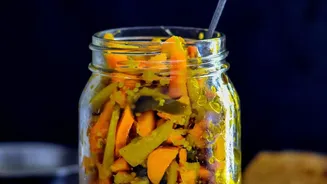
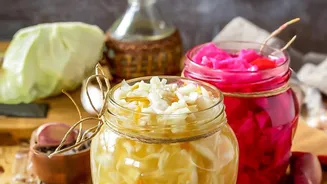
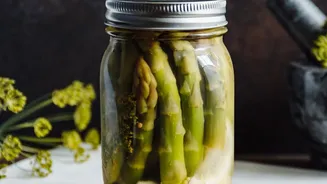
Starting your fermentation journey is surprisingly simple and requires minimal equipment. A glass jar, some vegetables, and non-iodized salt are all you need. A great beginner-friendly project is fermenting carrot sticks. Simply pack clean carrot sticks into a jar, add flavourings like garlic or ginger if you wish, and pour over a brine made by dissolving 1-2 tablespoons of salt in a litre of water. Ensure the carrots are fully submerged; you can use a small weight or a cabbage leaf to keep them down. Cover the jar loosely and leave it at room temperature for 5-7 days. You'll soon see bubbles, a sign that fermentation is active. Taste it every day, and once it reaches a tanginess you enjoy, seal the jar and move it to the refrigerator to slow the process. This basic method works for many vegetables, from green beans to beetroot.