








Adapt Your Skincare Routine
When the air is thick with moisture, your skin's sebaceous glands can go into overdrive, leading to excess oil and potential breakouts. The key is to switch to lighter products. Swap heavy creams for lightweight, gel-based, or water-based moisturizers
that hydrate without clogging pores. Ingredients like hyaluronic acid are excellent for providing moisture without a greasy feel. Look for non-comedogenic products to prevent acne. Cleansing becomes even more crucial; wash your face morning and night with a gentle cleanser to remove the build-up of sweat, oil, and grime. For those with oily or acne-prone skin, using a cleanser with salicylic acid can help keep pores clear. And never skip sunscreen—opt for a lightweight or gel-based formula with at least SPF 30 to protect your skin without adding heaviness.
Tame Your Tresses
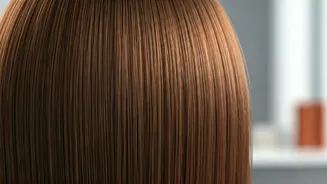
Humidity is the arch-nemesis of a good hair day, causing strands to absorb moisture from the air, which leads to frizz and flatness. The first line of defense is proper hydration. Using a hydrating, sulfate-free shampoo and conditioner helps lock in moisture, making your hair less likely to soak up ambient humidity. A leave-in conditioner can also create a protective barrier. When styling, consider anti-frizz serums or creams. When blow-drying, use a heat protectant spray and finish with a cool shot of air to close the hair cuticles, which helps create a smoother, shinier look. On particularly difficult days, hairstyles like braids, buns, or ponytails can keep your hair contained and stylish. Also, try to avoid touching your hair throughout the day, as this can disrupt your style and increase frizz.
Choose Your Fabrics Wisely
The clothes you wear play a significant role in how comfortable you feel. Heavy, synthetic fabrics can trap heat and sweat, making you feel sticky. Instead, opt for lightweight, breathable, natural fabrics. Cotton is a classic choice because it's soft and allows air to circulate, though it can become heavy when it absorbs a lot of sweat. Linen is considered one of the best fabrics for humid conditions; its loose weave allows heat to escape and it dries quickly. While pure linen wrinkles easily, a linen-cotton blend offers a good compromise. Rayon is another lightweight option made from natural fibers. It’s also wise to choose light-colored clothing, as it reflects heat rather than absorbing it. For activewear, modern moisture-wicking polyester blends are designed to pull sweat away from the body, keeping you dry.
Control Your Home Environment
Finding relief from humidity shouldn't stop at your front door. Managing moisture levels inside your home is essential for comfort. The ideal indoor humidity level is generally between 30% and 50%. Your air conditioner is a powerful tool for this, as it naturally dehumidifies the air while it cools. Ensure your AC's fan is set to "auto," not "on," so it doesn't blow air over the wet coils when the cooling cycle is off, which would reintroduce moisture into the air. For extra support, especially in bathrooms and kitchens, use exhaust fans to pull steam and moisture outside. Run the bathroom fan for at least 20 minutes after a shower. A portable or whole-home dehumidifier can also make a significant difference in keeping the air from feeling heavy and sticky. Even simple things like covering pots while cooking can reduce the amount of water vapor released into your home.
Elevate Your Personal Hygiene
A few extra hygiene steps can make a world of difference. More frequent showers, even quick lukewarm ones, can help you feel refreshed and wash away sweat and bacteria. When you dry off, pay special attention to skin folds where moisture can get trapped. Deodorant is a must, and applying an antiperspirant at night can be more effective as it gives the active ingredients time to work while your sweat glands are less active. Wearing cotton underwear and loose-fitting clothes allows for better airflow. Staying hydrated by drinking plenty of water is also crucial; it helps your body regulate its temperature more efficiently. For your feet, choose breathable footwear and consider using foot powder to keep them dry and prevent fungal infections.