





The Allure of the Off-Season Price Tag
For many travellers, the biggest draw of the monsoon season is the significant drop in prices. With the peak tourist rush over, hotels and travel companies roll out aggressive discounts to attract visitors. It’s not uncommon to find deals offering substantial
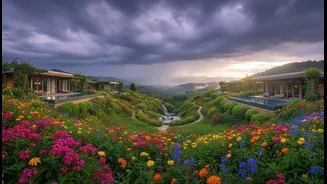
reductions on room rates, with some platforms advertising discounts of up to 60% on properties in popular monsoon destinations. This shift makes previously expensive luxury and boutique hotels suddenly more accessible. Data from July 2026 shows a remarkable year-on-year growth in bookings for destinations like Munnar, Coorg, Wayanad, and Lonavala, driven by these appealing offers. Travellers are finding that their budget can stretch further, allowing for longer stays or more opulent experiences without the premium cost of peak-season travel.
Decoding the New Wave of 'Flexible' Deals
Beyond just lower prices, flexibility has become a major selling point for monsoon travel. In response to the season's inherent unpredictability, the travel industry has adapted. Many hotels now offer more lenient cancellation policies, allowing travellers to change their plans without significant penalties—a crucial feature when a sudden downpour can disrupt an entire itinerary. Furthermore, new booking models are gaining traction. Major booking platforms have introduced paid options for guaranteed early check-in or late check-out, catering to travellers arriving on flights at odd hours. Some innovative companies even offer hourly hotel stays, allowing you to pay only for the time you need, which is perfect for transit or a quick refresh. However, it's vital to read the fine print. Some promotional discounts may become void if a booking is cancelled, and date changes, while allowed, could be subject to new tariffs.
Exploring Quieter, Greener Havens
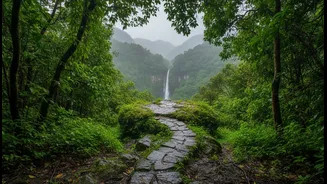
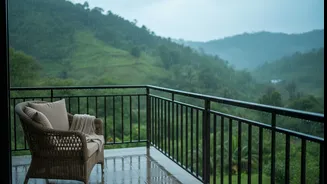
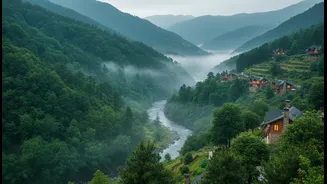
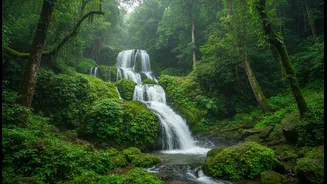
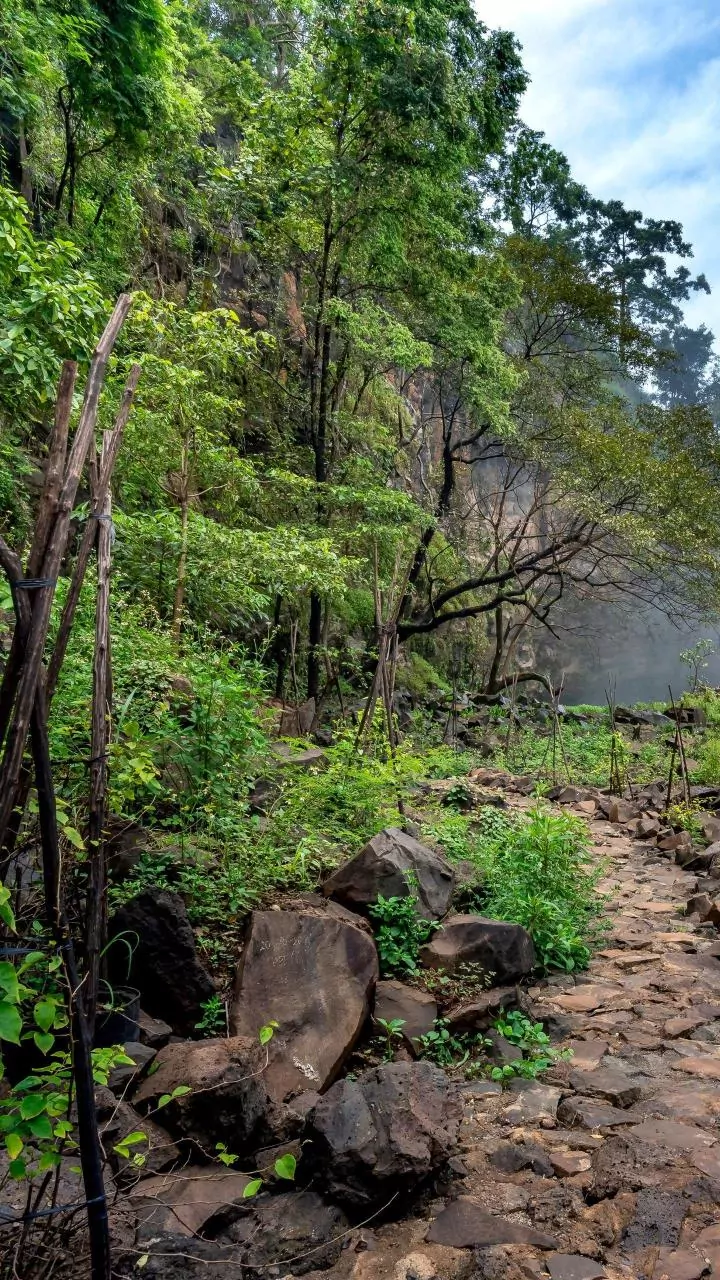
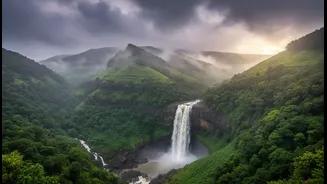
The monsoon season is perfect for those looking to escape the crowds and experience a more authentic, tranquil side of popular destinations. While classic choices like Goa and Kerala remain popular, there is a growing trend towards experience-led travel, with a focus on wellness, nature, and culture. Destinations in the Western Ghats, such as Coorg in Karnataka and Wayanad in Kerala, are transformed into misty, green paradises. Hill stations like Mussoorie and spiritual hubs like Rishikesh have seen a massive surge in interest, with search queries growing over 150% year-on-year. Even the desert state of Rajasthan offers a unique charm, with cities like Udaipur becoming incredibly romantic as the rains fill its famous lakes. These quieter spots allow for a slower pace of travel, where the main attraction is the rain-washed landscape itself.
Acknowledging the Season's Hard Limits
Despite the benefits, the headline’s mention of “limits” is a crucial reality check. Monsoon travel is not without its challenges, and being unprepared can turn a dream trip into a logistical nightmare. The most significant risk is weather-related disruption. Heavy rainfall can lead to landslides, especially in hilly regions like Himachal Pradesh and parts of Kerala, causing road closures that can last for days. Flash floods can make low-lying areas inaccessible, and travel plans can be thrown into disarray by delayed or cancelled flights and trains. Outdoor activities like trekking or boating may be suspended due to safety concerns. Beyond major disruptions, travellers should also prepare for smaller inconveniences like power outages, unreliable internet, and an increase in mosquitoes, which brings a higher risk of diseases like dengue and malaria.
A Smart Traveller's Monsoon Checklist
Enjoying a successful monsoon getaway comes down to smart planning. First, research your destination thoroughly. Check recent weather forecasts and local travel advisories, particularly for regions prone to landslides or flooding. Build buffer days into your itinerary to accommodate potential delays without stress. When booking, prioritise hotels with genuinely flexible cancellation policies. Pack wisely: include quick-drying clothes, waterproof bags for electronics, appropriate non-slip footwear, and a reliable mosquito repellent. It's also wise to avoid driving in the hills at night, as rain and fog can severely reduce visibility. By taking these practical steps, you can mitigate the risks and fully embrace the unique beauty and serenity that only a monsoon journey can offer.