



The Hardy Grains of the North
In North India, the Navratri fast, or 'vrat', is defined by ingredients that are both nourishing and adhere to sattvic principles. The hilly terrain and cooler climate favour hardy pseudo-grains. Buckwheat flour, known as 'kuttu ka atta', and water chestnut
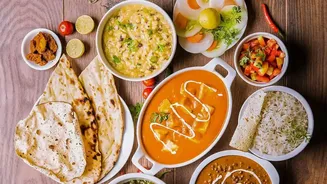
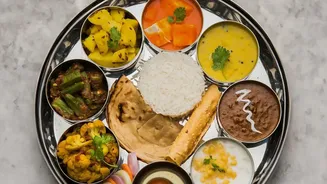
flour, or 'singhare ka atta', become the stars of the kitchen. These flours are used to prepare deep-fried, fluffy puris and savoury parathas, often paired with a simple yet flavourful potato curry, 'vrat wale aloo', which is made without onion or garlic and seasoned with rock salt (sendha namak). Amaranth flour ('rajgira') also makes an appearance in puris and parathas, providing energy for devotees during the nine days of fasting.
Western India’s Energy Boosters
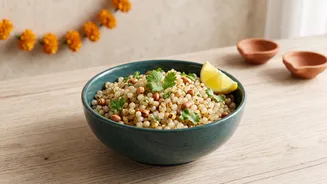
Travel west to Maharashtra and Gujarat, and the texture of Navratri food changes. Here, tapioca pearls, or 'sabudana', reign supreme. Sabudana Khichdi, a delightful preparation of soaked tapioca pearls tossed with roasted peanuts, potatoes, and green chillies, is a staple. It's a perfect example of how local produce like peanuts is integrated to add crunch and nutrition. Sabudana is also used to make crispy vadas, a popular snack. In Gujarat, the fasting or 'farali' menu includes dishes like 'rajgira puri' and 'farali pattice', which are savoury patties. These ingredients are chosen for their high carbohydrate content, offering a sustained energy release.
The Southern Sundal Tradition
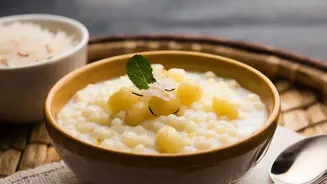
In South India, particularly in Tamil Nadu, Karnataka, and Andhra Pradesh, Navratri is celebrated as Golu, featuring elaborate displays of dolls. While fasting rules can be different, the food is distinctly regional. The highlight is 'sundal', a simple and protein-rich dish made from various legumes like chickpeas, green gram, or peanuts. A different type of sundal is often prepared on each of the nine nights as a 'prasadam' or offering. The preparation involves tempering the cooked legumes with mustard seeds, curry leaves, and a generous amount of fresh, grated coconut—a nod to the coastal region's abundance. Sweet dishes like 'payasam' (kheer) are also common offerings.
A Feast in the East
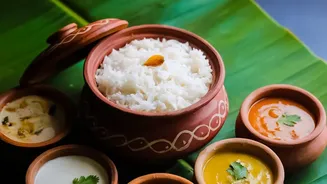
The culinary landscape shifts dramatically in Eastern India, especially in West Bengal, where Navratri coincides with the grand festival of Durga Puja. Here, the occasion is less about fasting and more about feasting. Bengalis celebrate the homecoming of Goddess Durga, and food is a central part of the celebration. While community feasts or 'bhog' at pandals typically include vegetarian fare like 'khichuri', 'labra' (a mixed vegetable dish), and 'payesh' (rice kheer), home kitchens often prepare elaborate non-vegetarian meals. Dishes featuring fish and mutton are common from the sixth day onwards, reflecting the region's riverine geography and its distinct cultural interpretation of the festival.