
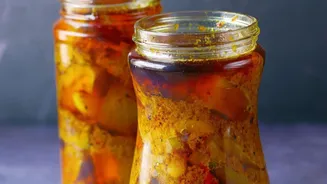
A Jar Full of History
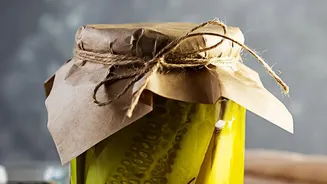
The tradition of pickling in India is an ancient art, born from the practical need to preserve seasonal produce in a challenging climate long before refrigeration. Dating back thousands of years, the practice of using salt, spices, and oil to extend the life
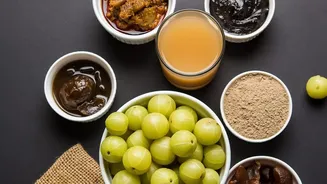
of fruits and vegetables ensured a supply of food through harsh seasons. This method of preservation became deeply woven into the country's cultural fabric. The process was often a communal ritual, with families gathering to prepare large batches of pickles, a tradition that strengthened community bonds and passed recipes down through generations like precious heirlooms. More than just a condiment, achaar became a symbol of regional identity, with each state developing its own distinct styles based on local ingredients and tastes.
The Fiery South: Andhra's Avakaya
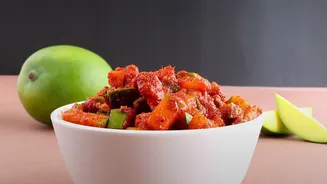
Travel to the Telugu-speaking states of Andhra Pradesh and Telangana, and you will find Avakaya is king. This iconic raw mango pickle is a powerful testament to the region's love for bold, fiery flavours. The name itself gives a clue to its main ingredient: 'ava' means mustard, and 'kaya' means raw fruit. Made with a generous amount of mustard powder, fiery red chillies like the local Guntur variety, and sesame oil, Avakaya is known for its intense heat and pungent aroma. The use of specific sour mango varieties, which thrive in the local climate, is crucial. This pickle is not just a food item but a cultural event, with its preparation marking the beginning of summer in many households.
The Arid West: Gujarat's Gunda
In the western states of Gujarat and Rajasthan, the pickles reflect the arid landscape and a palate that balances sweet, sour, and spicy notes. A prime example is the Gunda pickle, made from a type of berry also known as lasoda or glueberry. Available only for a short period in the summer, gunda is a prized local crop for pickling. The traditional Gujarati 'Gunda Keri nu Athanu' often involves stuffing the deseeded berries with a masala of split mustard seeds (rai na kuria), fenugreek seeds (methi na kuria), red chilli powder, and often mixed with grated raw mango. This pickle showcases the region's resourceful use of unique local produce and a distinct preference for complex flavour profiles.
The Pungent East: Bengal's Kasundi and Northeast's Bhoot Jolokia
Eastern India offers a completely different flavour profile, heavily influenced by mustard. In Bengal, Kasundi is revered as the 'queen of pickles'. It is a pungent, fermented mustard sauce, far more intense than any typical mustard. Traditionally, its preparation was a ritual tied to the mustard harvest, and a well-made Kasundi could last for years. Venturing further into the Northeast, particularly Assam, the pickles feature unique, locally grown ingredients like bamboo shoots and the legendary Bhoot Jolokia, or ghost pepper. Once the world's hottest chilli, the Bhoot Jolokia pickle is intensely fiery with a distinctive smoky flavour, reflecting its cultivation in the region's unique climate. It's a true taste of the local terroir.
The Mountainous North: Kashmir's Kamal Kakdi
In the northern reaches of India, the pickles adapt to the cooler climate and unique crops of the Himalayan region. In Kashmir, the lakes provide an unusual pickling ingredient: the lotus stem, known as 'nadru' or 'kamal kakdi'. This pickle, Kamal Kakdi ka Achaar, has a delightful crunchy texture. The flavour is a tangy and aromatic blend of spices characteristic of the region, often featuring mustard oil, fennel seeds, and ginger powder. It’s a perfect example of how local ecosystems directly shape a region's culinary heritage, turning an aquatic plant into a beloved condiment that accompanies traditional Kashmiri meals.