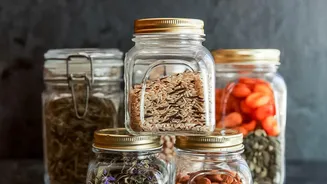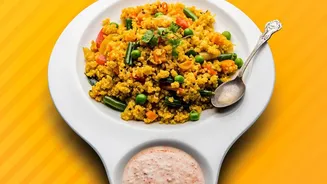

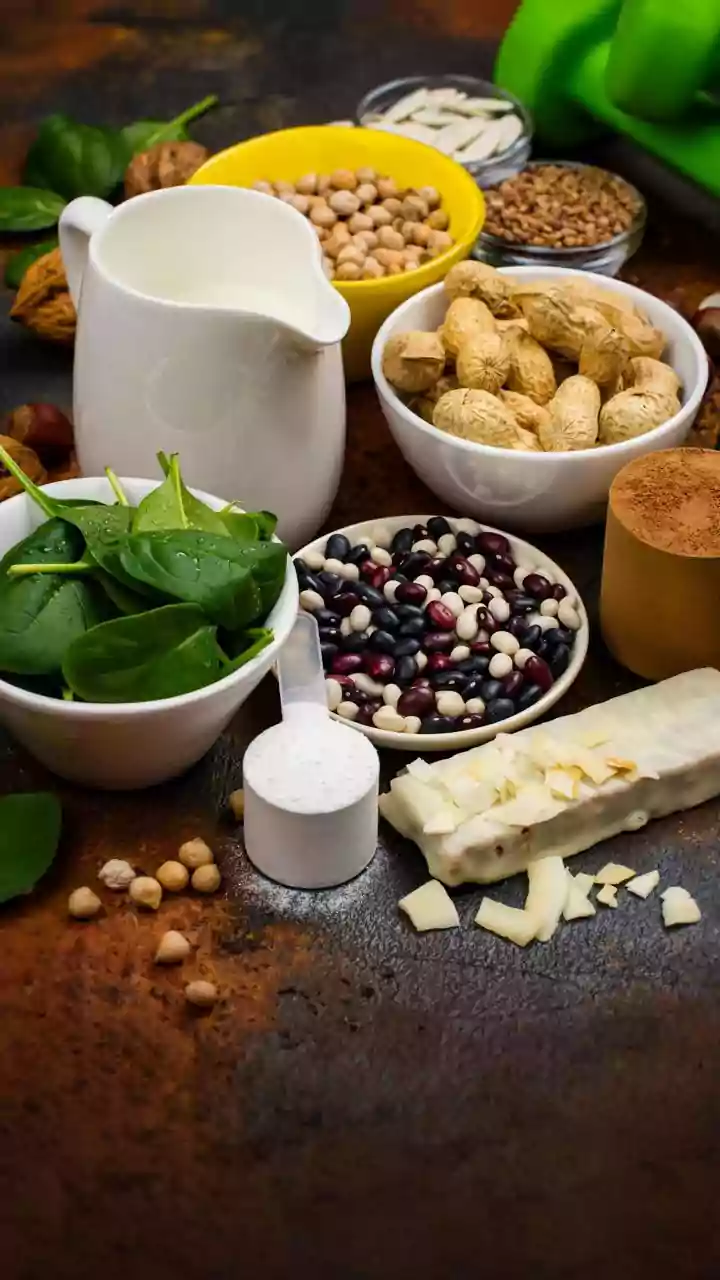

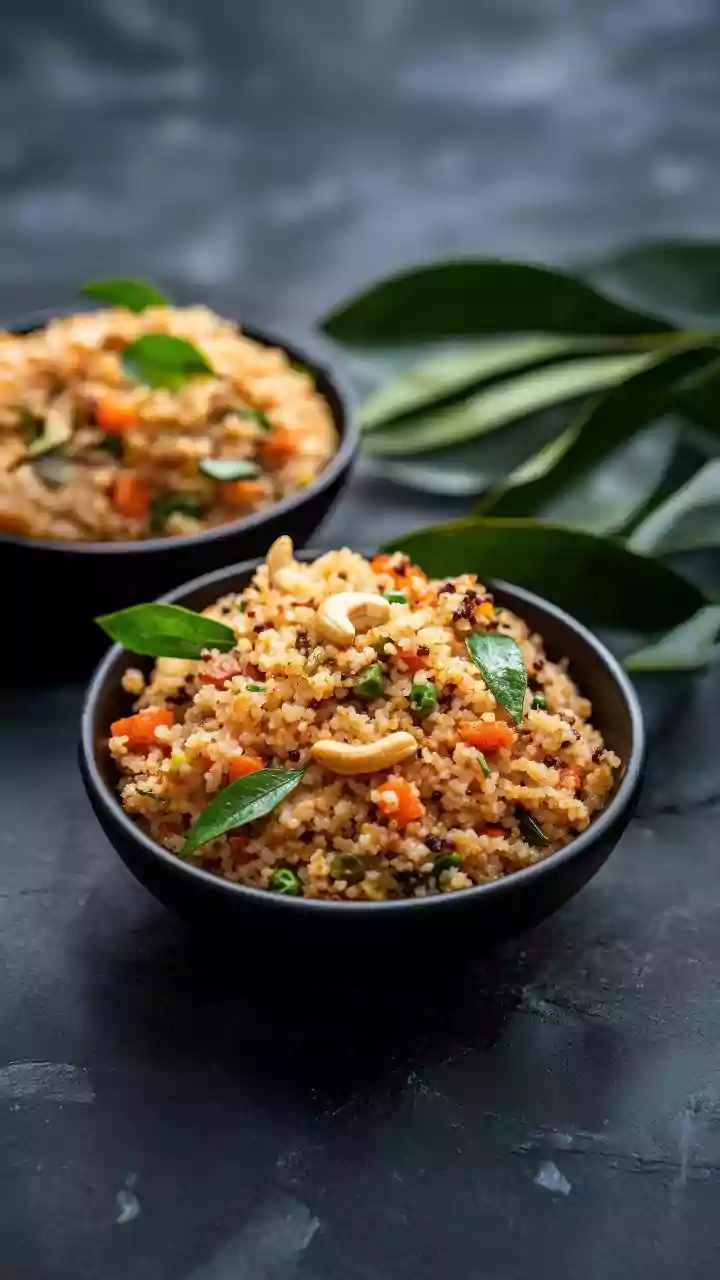

Starting the day with a balanced meal is crucial for managing diabetes, and a thoughtful breakfast can set the tone for stable blood sugar all day. These five fibre-rich seeds are simple, powerful additions to your favourite Indian dishes.
Why Fibre is Your Friend
Before diving
into the seeds, it's important to understand why fibre is so beneficial for diabetes management. Soluble fibre, in particular, slows down the digestion and absorption of carbohydrates. This prevents the sharp spikes in blood sugar that can occur after a meal. Foods rich in fibre, healthy fats, and protein, like seeds, have a low glycemic index (GI), meaning they cause a minimal and more gradual rise in blood sugar. This makes them a smart choice for keeping your energy levels stable and your body's insulin response in check.
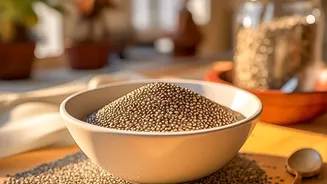
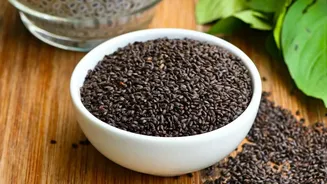
1. Chia Seeds (Sabja)
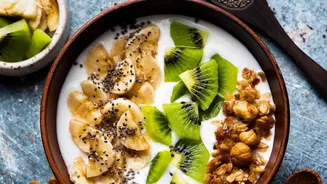
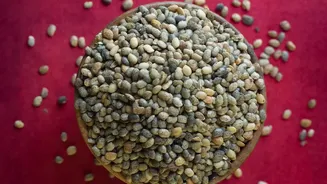
These tiny black seeds are a nutritional powerhouse. Just two tablespoons contain about 10 grams of fibre, which is a significant portion of your daily needs. When soaked, chia seeds form a gel-like substance that slows digestion, helping to prevent post-meal blood sugar surges. They are also rich in omega-3 fatty acids and protein, which support heart health and promote a feeling of fullness, aiding in weight management. How to use: Stir a tablespoon of soaked chia seeds into your morning oatmeal, dahi, or smoothie. You can also add them to the batter for idli or dosa for a virtually tasteless nutritional boost.
2. Flax Seeds (Alsi)
Flax seeds are one of the best plant-based sources of omega-3 fatty acids and are packed with both soluble and insoluble fibre. This high fibre content slows the release of sugar into the bloodstream. Flax seeds also contain lignans, which are antioxidants that can improve insulin sensitivity. To get the most benefit, it's best to consume flax seeds ground, as the whole seeds can be difficult for the body to digest. How to use: Sprinkle a tablespoon of ground flaxseed over poha, upma, or a bowl of sprouts. It can also be mixed into roti or thepla dough, or blended into smoothies.
3. Pumpkin Seeds (Kaddu Ke Beej)
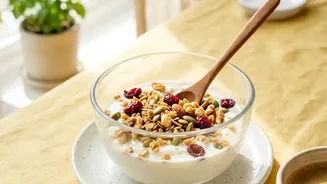
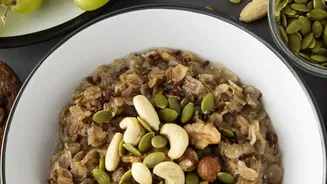
Often discarded, pumpkin seeds are a fantastic snack and breakfast addition for anyone managing diabetes. They are an excellent source of magnesium, a mineral that plays a vital role in insulin function and helps regulate blood sugar. Many people with diabetes are deficient in magnesium, making these seeds particularly valuable. Their combination of fibre, protein, and healthy fats provides stable energy without causing glucose spikes. How to use: Enjoy a small handful of raw or roasted (and unsalted) pumpkin seeds as a snack. You can also sprinkle them over vegetable oats upma or add them to curd with nuts for a quick, no cook breakfast.
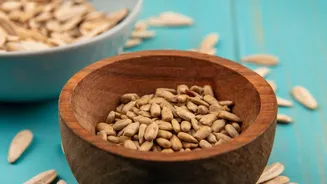
4. Sunflower Seeds (Surajmukhi Ke Beej)
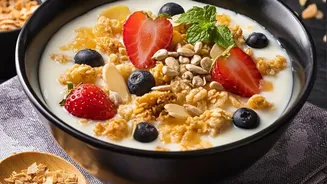
Sunflower seeds have a very low glycemic index and are rich in healthy fats, protein, and vitamin E, a powerful antioxidant. These nutrients help prevent inflammation and support better blood sugar control. The healthy fats and fibre in sunflower seeds slow down digestion, contributing to stable glucose levels after meals. Always opt for unsalted varieties to avoid unnecessary sodium intake. How to use: Add a crunchy texture to your breakfast by sprinkling sunflower seeds on salads, yogurt, or even a savoury dalia. They work well in homemade trail mixes with other nuts and seeds for a filling snack.
5. Sesame Seeds (Til)
Deeply rooted in Indian cuisine, sesame seeds are another great choice. They are a good source of healthy fats, protein, magnesium, and fibre. Sesame seeds contain unique compounds called lignans, which may help improve insulin sensitivity and reduce inflammation. Due to their low carbohydrate content, they have a minimal impact on blood sugar levels, making them a safe and flavourful addition to meals. How to use: Sprinkle toasted sesame seeds over dishes like idli (with podi), dosa, or even savoury pancakes like besan chilla. You can also use tahini (a paste made from sesame seeds) as a base for a nutty and diabetes friendly chutney or dressing.