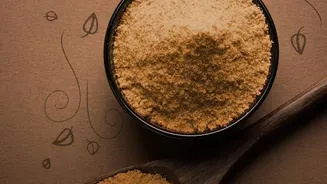







What Exactly is This Ancient Superfood?
Sattu is a flour made from roasted grams, typically Bengal gram (kala chana). For centuries, it has been a dietary cornerstone in states like Bihar, Jharkhand, and Uttar Pradesh, valued for its simplicity and incredible nutritional density. The roasting
process is key; it not only imparts a unique nutty flavour but also makes the nutrients more digestible and increases the flour's shelf life naturally, without preservatives. Often called the 'poor man's protein', this inexpensive ingredient is now being recognised for what it always was: a clean, sustainable, and powerful source of plant-based nutrition.
A Nutritional Powerhouse
The reason sattu is capturing the attention of the fitness community lies in its impressive nutritional profile. Per 100 grams, sattu packs approximately 20-25 grams of high-quality plant-based protein, which is crucial for muscle repair and growth. Beyond protein, it's incredibly rich in dietary fibre, offering around 15-28 grams per 100g. This high fibre content aids digestion, promotes gut health, and keeps you feeling full for longer, which can help with weight management. It is also loaded with essential minerals like iron, magnesium, and calcium. Furthermore, sattu has a low glycaemic index, meaning it releases energy slowly and steadily, preventing the blood sugar spikes associated with many processed breakfast foods.
From Farm Fuel to Gym-Goer's Gold
For fitness enthusiasts, these nutritional stats translate into tangible benefits. The high protein content directly supports muscle recovery after a workout, reducing soreness and improving stamina for the next session. The slow-release carbohydrates provide sustained energy, making a sattu drink an excellent pre-workout meal to fuel performance or a post-workout drink to replenish glycogen stores. Unlike many protein supplements, sattu is a whole food, providing a complete package of macros and micros that work together. Its natural cooling properties also make it an ideal drink to have, especially during hot weather, helping to hydrate the body and replenish electrolytes lost through sweat.
Sattu vs. Whey Protein: What’s the Difference?
While whey protein is a highly concentrated source of protein, delivering around 25 grams per scoop, sattu offers a more holistic nutritional package. A typical 35-40g serving of sattu provides about 7-10 grams of protein, but it also delivers significant amounts of fibre, complex carbs, and minerals—nutrients that are largely absent in whey isolates. For general health, sustained energy, and digestive wellness, sattu is an outstanding choice. While whey protein might be better for athletes with extremely high protein needs for rapid muscle recovery, sattu is a more affordable and natural option for daily nutrition and overall fitness.
Easy Ways to Add Sattu to Your Breakfast
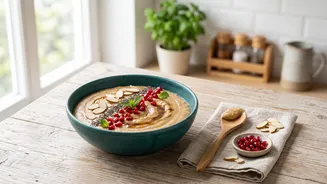
Incorporating sattu into your morning routine is incredibly simple. The most popular method is a traditional sharbat. For a savoury version, mix a few tablespoons of sattu with cold water, black salt, roasted cumin powder, and a squeeze of lemon juice for a refreshing and energising drink. For a sweet take, blend sattu with water or milk, a banana, and a natural sweetener like jaggery or honey to create a delicious and filling smoothie. You can also make a quick porridge or even add sattu to your regular wheat flour to make high-protein rotis or parathas.