



From Humble Staple to Superfood Star
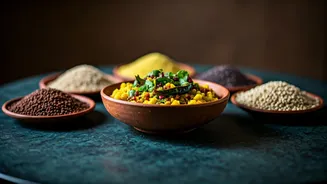
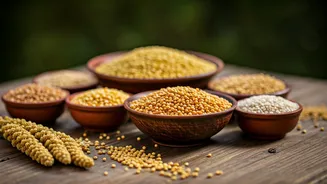
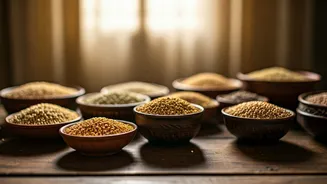
For centuries, ragi, also known as finger millet or nachni, has been a resilient staple in many parts of India, particularly in southern states like Karnataka. [16, 24] Cultivated for over 4,000 years, its ability to thrive in poor soil and with minimal
water made it a lifeline for farming communities. [23] Traditionally, it was consumed as porridge (kanji), flatbreads (roti), or steamed balls (mudde). [12, 23] While always respected for its hardiness, it was rarely seen as glamorous, often taking a backseat to more refined grains like wheat and rice in urban diets. [18]
The Nutritional Punch Driving the Comeback
The primary reason for ragi's modern resurgence is its incredible nutritional profile. [14] It is a powerhouse of essential nutrients, making it a so-called "superfood" that aligns perfectly with today's wellness trends. [13] Ragi is one of the richest plant-based sources of calcium, containing significantly more than most other cereals, which is vital for bone health. [5, 24] It's also packed with dietary fibre, which aids digestion and promotes a feeling of fullness, making it a smart choice for weight management. [3, 7] Furthermore, it is a good source of iron, helping to combat anemia, and is naturally gluten-free, catering to a growing demographic with gluten sensitivities. [2, 8] Its low glycemic index also makes it a favourable option for managing blood sugar levels. [6, 9]
A Delicious, Instagram-Ready Makeover
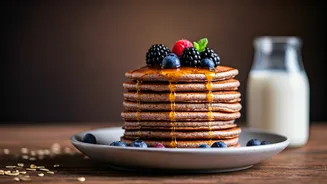
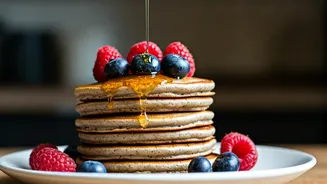
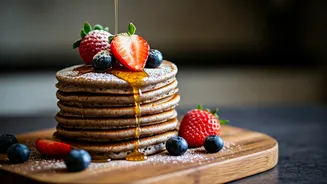
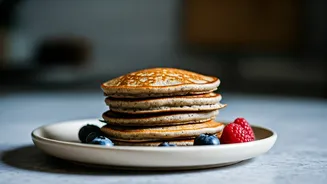
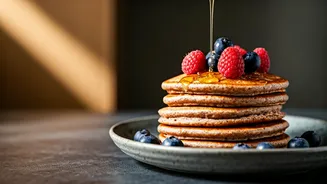
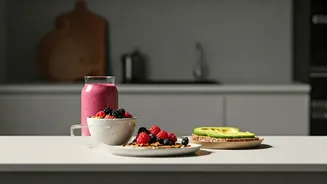
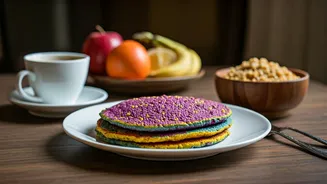
The real game-changer has been the culinary world's creative embrace of the grain. The headline star, the ragi pancake, is a perfect example. [3] Forget dense, heavy concoctions; modern ragi pancakes are fluffy, delicious, and anything but boring. [19] Cafes and home cooks are whipping up light, airy pancakes, often blending ragi flour with other flours, bananas, or yogurt. [10, 25] These creations are then topped with fresh berries, nuts, a drizzle of honey or maple syrup, and a dollop of creamy yogurt, turning a healthy breakfast into an Instagram-worthy feast. This modern presentation has been crucial in shifting perceptions and making ragi appeal to a younger, urban audience. [18]
Beyond the Breakfast Table
While pancakes are leading the charge, ragi's versatility is being explored in countless other ways. You can now find ragi in everything from crispy dosas and soft idlis to decadent brownies, cookies, and cakes. [12, 17, 25] Creative chefs and food brands are pushing the boundaries, introducing ragi-based pasta, noodles, and even samosas and barfis. [19, 23] This wave of innovation shows that incorporating this healthy millet doesn't mean sacrificing flavour or indulgence. It can be seamlessly integrated into a variety of dishes, offering a nutritious twist on old favourites. [21]
Why Now? The Millennial and Gen Z Embrace
Ragi's comeback is part of a larger cultural shift. There's a growing movement, especially among younger generations, to reconnect with traditional Indian foods and ingredients. [13] This isn't just about nostalgia; it's a conscious choice driven by a desire for sustainable, local, and genuinely nutritious food over imported, processed alternatives like quinoa or oats. [15] Health influencers, chefs, and nutritionists are championing ancient Indian grains, and social media is amplifying the message. [8, 15] As people become more discerning about what they eat, the humble ragi has transformed from "grandma food" into a symbol of smart, modern wellness. [14, 16]