
The Nearly Indestructible Snake Plant
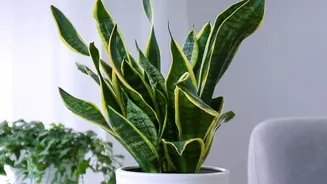
The Snake Plant, or Sansevieria, is the perfect starter plant for anyone who fears they lack a green thumb. With its striking, upright leaves that resemble swords, it adds a modern, architectural element to any space. Not only can it tolerate very low
light, but it's also incredibly drought-resistant, thanks to its ability to store water. In fact, the most common mistake with snake plants is overwatering them. They are adaptable enough to survive in rooms with minimal natural light, such as offices or hallways, and even do well under fluorescent lighting. For best results, allow the soil to dry out completely between waterings and wipe the leaves occasionally to keep them free of dust.
The Hardy and Resilient ZZ Plant
The ZZ Plant (Zamioculcas zamiifolia) is another champion of neglect and low-light environments. Its wide, glossy, dark green leaves are so perfect they almost look artificial. Native to East Africa, the ZZ Plant is exceptionally hardy because it grows from rhizomes—potato-like structures under the soil that store water for long periods. This makes it incredibly drought-tolerant and forgiving. While it performs best in bright, indirect light, it is famous for its ability to handle dim conditions, making it a favourite for offices and darker corners of a home. Its slow growth means it won't take over your space, and its main requirement is to be left alone and watered infrequently.
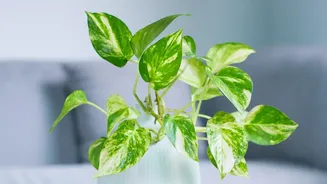
The Cascading Money Plant (Pothos)
Known commonly in India as the Money Plant, Pothos (Epipremnum aureum) is a versatile and fast-growing vine that is incredibly easy to care for. Its heart-shaped leaves create beautiful trailing vines perfect for hanging baskets, shelves, or mantles. While Pothos appreciates bright, indirect light, it is remarkably adaptable and can thrive in low-light conditions. In less light, its growth may slow down, and variegated varieties might lose some of their colouring, but the plant will remain healthy. It's also not fussy about watering; a good rule is to water it when the top inch or two of soil feels dry. Its resilience and air-purifying qualities make it a popular choice for any indoor setting.
The Dependable Cast Iron Plant
As its name suggests, the Cast Iron Plant (Aspidistra elatior) is tough as nails. This plant can withstand conditions that would kill many others, including low light, inconsistent watering, and poor air quality. It features long, elegant, dark green leaves that grow directly from the soil, creating a lush, full appearance. It is an excellent choice for those very dark corners where nothing else seems to grow. The Cast Iron Plant prefers to be in a shaded spot away from direct sunlight, which can scorch its leaves. It is also quite drought-tolerant, preferring its soil to be on the drier side. Water only when the top inch of soil feels dry, and you'll have a dependable green companion for years to come.
The Elegant Spider Plant
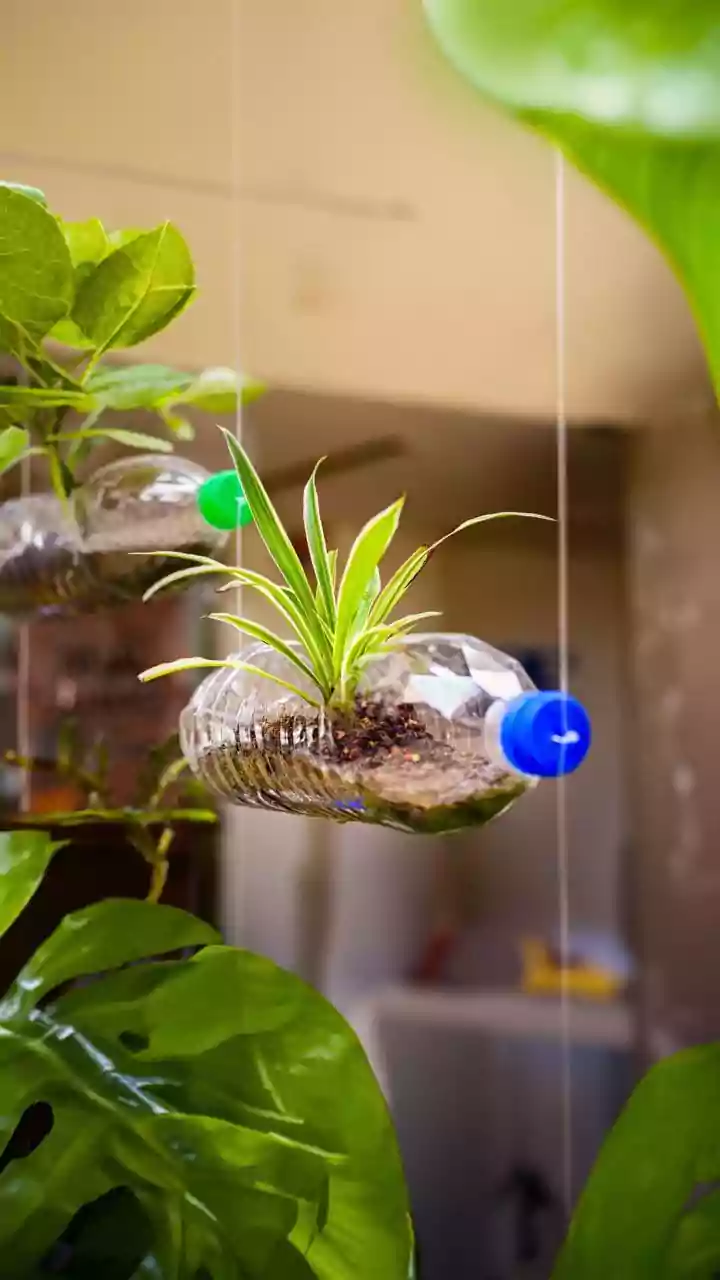
The Spider Plant (Chlorophytum comosum) is a classic houseplant known for its arching leaves and the 'spiderettes' or baby plants that dangle from the mother plant. While it grows best in bright, indirect light, it is highly adaptable and can tolerate low-light conditions. Placing it near an east-facing window is ideal, but it can manage in dimmer parts of a room. If the plant's growth seems slow or the leaves look pale, moving it to a slightly brighter spot can help. However, it's crucial to avoid direct, harsh sunlight, which can burn the leaves. With its graceful appearance and easy-going nature, the Spider Plant is a fantastic and rewarding choice for beginners.
The Fortunate Lucky Bamboo
Despite its name, Lucky Bamboo (Dracaena sanderiana) isn't bamboo at all but a type of Dracaena native to Africa. It’s a popular plant in Feng Shui, believed to bring good fortune. Lucky Bamboo thrives in bright, indirect sunlight but is well-known for its ability to grow in lower light conditions, making it perfect for desks and bathrooms. Direct sunlight should be avoided as it can scorch the leaves. It can be grown in either soil or water, though if grown in water, it's important to change the water every 7 to 10 days to keep it fresh. Its unique, structured look adds a touch of zen-like calm to any interior.