


The New Economics of Music
While streaming platforms have given Indian artists unprecedented reach, the financial reality is often challenging. Per-stream royalty rates in India are among the lowest globally, meaning even millions of plays can translate into surprisingly small
earnings for many musicians. This economic gap is where live shows have become a game-changer. For artists, concerts, tours, and festival appearances represent a direct and substantial revenue stream. Unlike the fractional pennies from a stream, ticket and merchandise sales provide a more reliable and significant income, shifting the financial balance of power back toward the performer. This economic incentive is a primary driver behind the explosive growth of the live events industry, which has grown nearly fourfold since the pre-pandemic era to a value of over ₹13,000 crore.
An Escape from the Algorithm
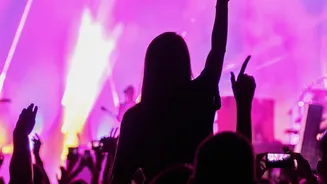
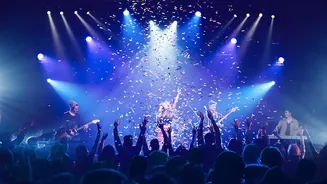
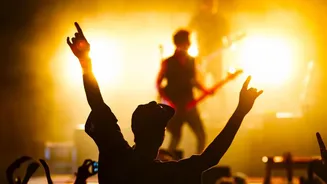
For fans, the boom in live music is about craving something a digital playlist cannot offer: tangible connection. After years of screen-mediated life, audiences are seeking shared, physical experiences. Concerts offer an escape, a space for communal joy where thousands of people can share a single moment. This 'experience economy' is fueled by a young demographic that increasingly values memorable moments over material goods. The desire isn't just to hear the music, but to be part of a larger cultural event, a trend amplified by a post-Covid 'you only live once' attitude. This has made concerts a form of social currency, with fans travelling across cities, turning a weekend gig into a mini-vacation.
The Festival Phenomenon
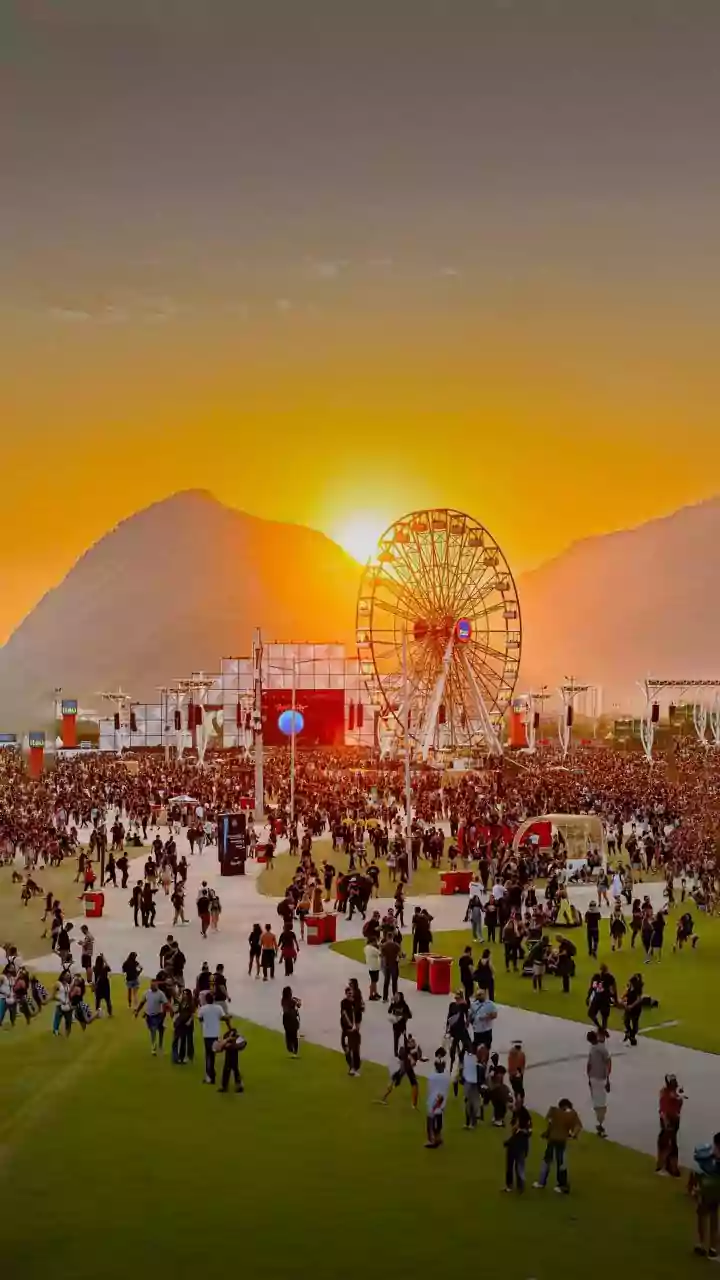
At the heart of this trend are large-scale music festivals that have become cultural anchors. Events like Lollapalooza India, NH7 Weekender, and Sunburn are no longer just for niche music lovers; they are mainstream destinations. These festivals serve as powerful economic engines, boosting local tourism, hospitality, and employment. For instance, a major tour can generate hundreds of crores in economic impact for a host city. They also play a crucial role in the music ecosystem by providing a massive platform for both established international acts and homegrown Indian artists, introducing them to new, engaged audiences and raising production standards across the industry.
From Digital Discovery to Physical Community
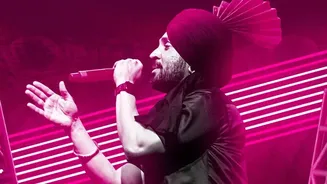
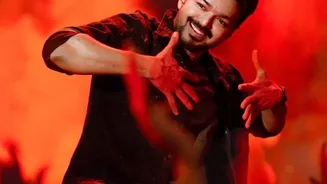
The journey to a live show today often begins on a phone screen. Fans discover artists through social media clips and viral moments, forming strong digital communities around shared tastes. Attending a concert becomes the physical manifestation of that online fandom—a way to validate their discovery and stand in a room with people who 'get it'. This has created a powerful feedback loop: streaming and social media build the audience, and live shows monetize that audience and deepen the connection. This synergy benefits everyone, from stadium-filling superstars like Diljit Dosanjh to independent artists playing in smaller clubs, all of whom are finding new paths to build a sustainable career in music.