







The Allure and Myth of Superfoods
The term 'superfood' is a powerful marketing tool, not a scientific one. It suggests that a single food, whether it's blueberries, kale, or an exotic powder, holds the secret to solving complex health issues, including mental well-being. While these foods
are often nutrient-dense, the idea that one ingredient can act as a magic bullet is misleading. Health experts caution that no single food provides all the nutrients we need, and an overall dietary pattern is what truly counts. Focusing on one 'superfood' while ignoring the rest of your diet is like polishing one window on a dirty house. Even beneficial foods can be unhealthy in excess, and the real benefits come from the synergy of many different nutrients working together. Research shows that the totality of your diet, not the inclusion of one specific item, is what promotes health and protects against disease.
The Gut-Brain Connection: Your Second Brain
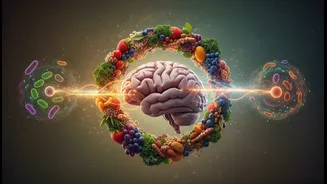
To understand why dietary patterns are so crucial, we need to look at the gut-brain axis. This is a complex, two-way communication network linking your digestive system and your central nervous system. Often called the 'second brain,' your gut contains millions of neurons and a vast ecosystem of microorganisms known as the gut microbiome. These microbes play a significant role in your mental health by producing neurotransmitters like serotonin and dopamine, regulating inflammation, and communicating with the brain via the vagus nerve. An imbalance in this gut ecosystem, known as dysbiosis, is linked to increased inflammation and has been observed in people with depression and anxiety. What you eat directly feeds and shapes your gut microbiome, influencing whether it sends signals that promote well-being or distress.
Patterns Over Products: What the Research Supports
Instead of focusing on single nutrients, the field of nutritional psychiatry points to the power of whole-diet interventions. The most robust evidence points toward traditional dietary patterns, especially the Mediterranean diet. This way of eating emphasizes fruits, vegetables, whole grains, legumes, nuts, fish, and healthy fats like olive oil, while limiting red meat and highly processed foods. Multiple studies, including randomized controlled trials, have shown that adherence to a Mediterranean-style diet is associated with a significantly lower risk of depression and can even help reduce depressive symptoms. One study found that about a third of participants with depression who adopted this diet achieved remission, compared to only 8% in a control group. The diet's anti-inflammatory properties and positive influence on the gut microbiome are believed to be key mechanisms behind these benefits.
Building a Mood-Supportive Plate
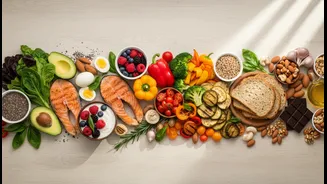
Adopting a mood-supportive diet doesn't have to be about perfection or restrictive rules. It's about making small, sustainable shifts toward whole foods. Start by adding more color to your plate with a variety of fruits and vegetables, which are rich in antioxidants. Incorporate healthy fats from sources like fatty fish (salmon, sardines), avocados, nuts, and olive oil; these contain omega-3s that are vital for brain cell structure. Choose whole grains and fiber-rich foods like beans and lentils to feed your beneficial gut bacteria and help stabilize blood sugar levels, which can impact mood and energy. At the same time, try to reduce your intake of ultra-processed foods and sugary drinks, which are linked to inflammation and an increased risk of depression and anxiety. Remember that consistency is more important than chasing the latest food trend.