





The International Monetary Fund (IMF) has officially elevated cyber incidents to a top-tier threat against global financial stability. This isn't just about data theft anymore; it's about the potential for a digital event to cascade into a real-world
crisis.
The IMF's Sobering Warning
In its October 2026 Global Financial Stability Report, the IMF identified three major risks that could trigger severe market turmoil: a correction in AI-related asset prices, a sharp rise in government bond yields, and disruptive cyberattacks. The Fund clarified that while markets have been resilient, these threats could be amplified by underlying vulnerabilities, turning isolated incidents into systemic events. The message is clear: cybersecurity is no longer just an IT department issue; it has become a cornerstone of macro-financial stability.
From Hack to Havoc: How a Cyberattack Could Trigger a Crisis
The IMF is not predicting an imminent crash, but it is outlining a plausible chain of events. A major cyber incident—such as an attack on a critical bank, payment system, or cloud provider—could disrupt the basic functions of finance like payments, trading, or access to deposits. This initial disruption could shatter confidence, causing customers to pull their money and other institutions to hoard liquidity as a precaution. This is the digital equivalent of a bank run. The interconnectedness of the global financial system means an attack on one central player could have a domino effect, with consequences spreading rapidly through operational and financial linkages.
The New Generation of Threats
The nature of the threat is evolving. The IMF highlights the growing sophistication of attackers, including state-sponsored groups, who now have access to powerful tools like frontier artificial intelligence models. AI can dramatically lower the cost and time needed to find and exploit vulnerabilities in software that is used across the entire financial system. This creates the risk of 'correlated failures', where multiple institutions are hit simultaneously because they share the same weakness. Furthermore, the time between a vulnerability being discovered and it being exploited by attackers has shrunk dramatically. In over 70% of cases in 2026, software providers had almost no time to patch flaws before attacks began.
Concentration Risk: A Systemic Weakness
A key vulnerability highlighted by the IMF is 'concentration risk'. The global financial system relies heavily on a small number of thirdparty providers for critical services like cloud computing and payment processing. An attack that successfully compromises one of these central nodes could create a single point of failure with systemwide repercussions, affecting countless banks and financial firms that depend on its services. This high degree of dependency on a few key players makes the entire system more vulnerable than the individual security of any single bank might suggest.
What This Means for India
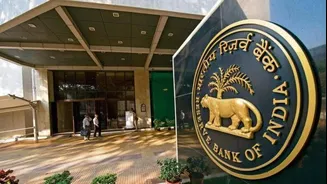
As one of the world's fastestgrowing digital economies, India's banking and financial sector is a prime target for cybercriminals. The Reserve Bank of India (RBI) has recently intensified its cybersecurity checks on banks, focusing on vulnerabilities in digital systems and Application Programming Interfaces (APIs) that connect banks to fintech partners. Recent incidents, including data leaks and fraudulent transfers, underscore the existing risks. The IMF's warning serves as a crucial reminder that for India, continued digital expansion must be paired with robust investment in cybersecurity resilience. The RBI's proactive stance reflects an understanding that in today's interconnected world, protecting the financial system requires a holistic approach that includes securing not just individual banks but also their vast network of thirdparty technology providers.