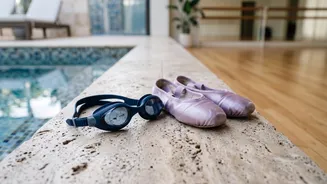





Choosing between the rhythmic joy of dancing and the serene power of swimming can be tough. Both offer incredible health benefits, but the best workout for you depends on far more than just picking one. It’s all about technique and intensity.
The Cardiovascular Challenge
Both dancing
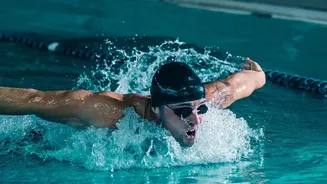
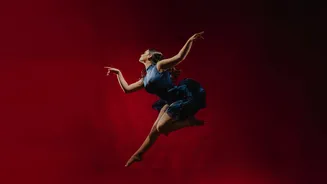
and swimming are excellent for heart health. Dance, especially high-energy styles like salsa or hip-hop, involves continuous movement that elevates your heart rate and improves circulation. This rhythmic activity can boost endurance and lower blood pressure over time. Swimming, on the other hand, provides a powerful cardiovascular workout by forcing your heart and lungs to work efficiently to supply oxygen to your entire body. The water's resistance means your heart pumps harder to move blood, strengthening the muscle without the high impact of land-based exercises. The intensity is key; a leisurely dance or a slow float won't challenge your heart as much as a vigorous routine or fast-paced laps.
Building and Toning Muscles
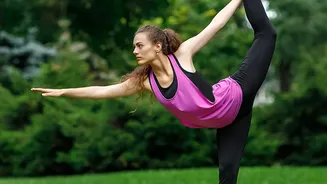
Swimming is renowned as a full-body workout. The water provides constant resistance from all directions, engaging your arms, legs, back, and core simultaneously with every stroke. Different strokes target different areas: freestyle focuses on the lats and shoulders, while breaststroke heavily engages the chest and inner thighs. Dancing also works a wide range of muscles, but often in a more targeted way. Ballet, for example, builds incredible strength in the legs (quadriceps, hamstrings, calves) and core for stability. Hip-hop and street dance engage the glutes, hips, and core through explosive, grounded movements. While swimming builds overall muscular endurance, dancing excels at developing control, balance, and power in specific muscle groups.
The Calorie Burn Question
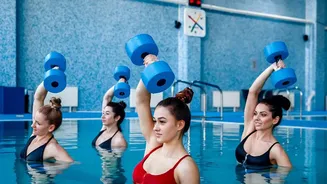
The number of calories you burn is directly tied to intensity and body weight. It's a common myth that one activity is always better than the other. Vigorous lap swimming can burn a significant number of calories, comparable to running. However, some studies suggest that certain high-intensity dance forms may burn even more. One study from the University of Brighton found that styles like swing and street dance can burn more calories per hour than swimming at a moderate pace. Aqua aerobics, a hybrid of both worlds, can burn between 400 to 500 calories an hour. Ultimately, a high-intensity Zumba class will likely burn more calories than a gentle swim, while powerful freestyle laps will outpace a slow waltz. Your effort dictates the outcome.
The Importance of Technique
In both disciplines, proper technique is non_negotiable for getting results and preventing injury. In swimming, good form—like proper body position and an efficient pull—is what separates a difficult struggle from a smooth, powerful workout. Poor technique not only slows you down but can also lead to shoulder strain. In dancing, technique ensures safety and effectiveness. Correct posture in ballet protects the spine, while proper footwork in any genre prevents knee and ankle injuries. Good technique allows you to generate more power, maintain balance, and execute moves gracefully. Simply going through the motions without focusing on form in either activity will limit your gains and increase your risk of getting hurt.
Joint Health and Accessibility
Here, swimming has a clear advantage. The buoyancy of water supports your body, taking almost all the stress off your joints. This makes it an ideal workout for individuals with arthritis, joint pain, or those recovering from injury. Dancing is a weight_bearing exercise, which is excellent for building bone density—something swimming doesn't do as effectively. However, high_impact dance styles with lots of jumping can be tough on the knees and hips. Low_impact dance styles and proper technique can mitigate this, but for those who need a truly joint_friendly option, the pool is often the best choice.
The Mind–Body Connection
Both activities offer significant mental health benefits. The rhythmic, repetitive nature of swimming can be meditative, helping to reduce stress and anxiety. The sensation of being in water is often described as calming and restorative. Dancing has a powerful mood–boosting effect, often attributed to the combination of music, social interaction, and self–expression. It improves coordination, body awareness, and can even boost cognitive function by requiring you to learn and remember complex choreography. Choosing between them may come down to whether you prefer the solitary, meditative focus of the pool or the expressive, social energy of the dance floor.