


The Monsoon's Fury
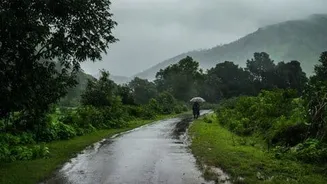
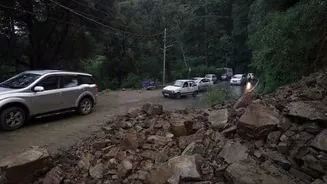
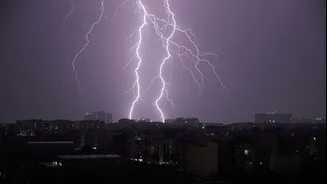
The 2026 monsoon season has been particularly active in Himachal Pradesh, with the India Meteorological Department (IMD) issuing multiple warnings for heavy rainfall. These intense spells have triggered widespread landslides and mudslides, leading to
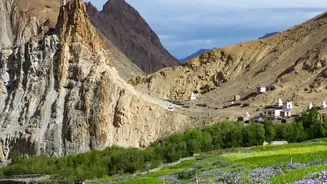
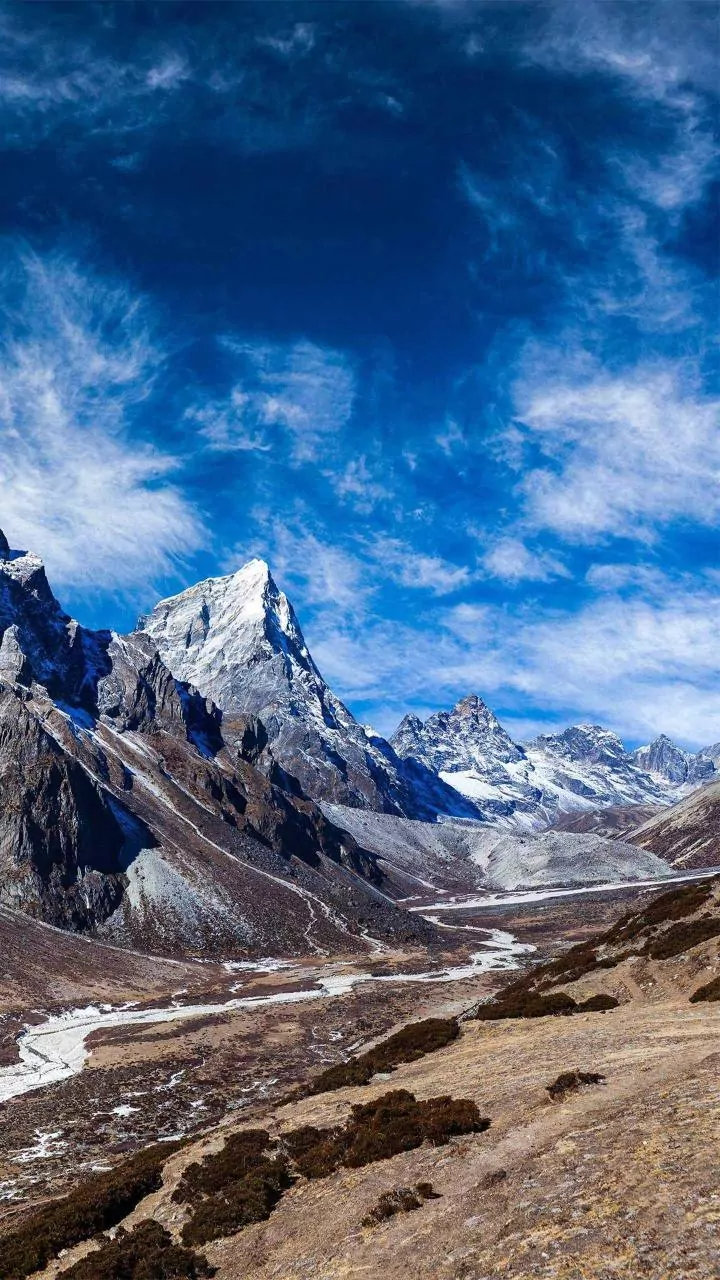
significant road closures across the state. As of early August, over 160 roads were reported blocked, with districts like Mandi and Kullu being severely affected. While Spiti Valley itself is a rain-shadow region and receives less rainfall, the approach corridors—via Shimla and Manali—are highly susceptible to weather-related disruptions. The fragile geology of the Himalayas means that even moderate rain can saturate the soil on steep slopes, leading to dangerous rockfalls and road blockages that can leave travellers stranded for hours or even days.
Understanding the 'Permit' System
The headline's mention of mandatory permits can be confusing, so it is crucial to understand who needs what. For Indian citizens, no special 'permit' is required to enter Spiti Valley. You can travel to Kaza, Tabo, Key Monastery, and other popular spots freely. However, you must carry a valid government-issued photo ID (like an Aadhaar card or driving license) for mandatory registration at police checkposts, such as those at Jangi and Sumdo. This is a security measure to log traveller movements in the border-adjacent region. The confusion often arises from the requirement for foreign nationals, who must obtain a Protected Area Permit (PAP), sometimes called an Inner Line Permit (ILP), to travel beyond certain points due to the proximity to the international border with Tibet.
Navigating the Routes
There are two main arteries into Spiti: the route from Shimla via Kinnaur (NH-5) and the route from Manali via the Atal Tunnel and Kunzum Pass. During the monsoon, the Shimla-Kaza road is generally considered the more reliable, all-weather option, though it is not without its own risks. Stretches along the Sutlej River, particularly between Wangtu and Sumdo, are prone to landslides and rockfalls. The Manali-Kaza route, while shorter, is far more treacherous in the rains. It involves crossing high-altitude passes and numerous water crossings (nalas) which can swell into impassable torrents within minutes of a downpour. Authorities frequently restrict this route to 4x4 vehicles or close it entirely depending on conditions. As of early August 2026, advisories have urged extreme caution, with snowfall even being reported at high passes like Chandratal.
Your Monsoon Travel Checklist
If you decide to travel despite the risks, preparation is paramount. First, check the latest weather forecasts from the IMD and road status updates from the Lahaul and Spiti district administration's official social media pages before you start your journey and each morning. Build several buffer days into your itinerary to account for unexpected road closures. Self-driving is not recommended unless you are an experienced mountain driver with a high-ground-clearance vehicle. Avoid travelling at night, when visibility is low and the risk of encountering a fresh landslide is highest. Always carry extra food, water, a first-aid kit, and essential medications. Inform your family or friends of your itinerary and check in regularly. Finally, respect all official advisories; if authorities recommend postponing travel, it is for your own safety.