



The Anti-Ageing Diet Buzz
From intermittent fasting to calorie restriction, the idea that eating less can lead to a longer life is a compelling one. The latest concept to enter this arena is protein restriction. Spurred by intriguing results in laboratory animals, some researchers
and wellness enthusiasts are exploring whether cutting back on protein could be a key to slowing the ageing process. A recent major review of over 350 studies highlighted this connection, noting that restricting protein intake—or even specific amino acids like methionine and isoleucine—led to longer lifespans in organisms like flies and rodents. This has generated significant excitement, but it also raises a crucial question: do these findings apply to people?
The Science: A Look Inside Our Cells
The theory behind protein restriction is rooted in our cellular biology. When we consume protein, it activates nutrient-sensing pathways in the body. One of the most important is the mTOR pathway (mechanistic target of rapamycin). Think of mTOR as a master regulator for cell growth. When protein is abundant, mTOR is highly active, telling cells to grow and multiply. While this is crucial for building muscle and tissue repair, chronic overactivation of mTOR is linked to ageing and age-related diseases. By restricting protein, the theory goes, we can dampen the mTOR signal. This shifts cells from a 'growth' mode to a 'maintenance and repair' mode, activating processes like autophagy, where cells clean out and recycle damaged components. This cellular housekeeping is believed to promote health and longevity.
The Human Dilemma: It’s Complicated
While the science is promising in lab animals, the evidence for humans remains largely uncertain. Short-term clinical trials have shown that protein restriction can improve some metabolic health markers, such as blood sugar levels and body fat, but there is no direct proof that it extends human life. The human body and its nutritional needs are far more complex. Unlike a lab mouse with a controlled diet and environment, human health is influenced by genetics, lifestyle, activity levels, and the overall quality of the diet. Furthermore, there's a significant difference between reducing protein in midlife versus in older age. Some epidemiological studies suggest high protein intake in middle age (ages 50-65) is linked to increased mortality, but the opposite appears true for those over 65.
The Protein Paradox for Older Adults
For older adults, the conversation shifts dramatically from restriction to adequacy. After the age of 50, adults naturally begin to lose muscle mass and strength, a condition known as sarcopenia. This increases the risk of falls, frailty, and slower recovery from illness. To combat sarcopenia, experts generally recommend that older adults consume more protein, not less. While the standard recommendation for adults is about 0.8 grams of protein per kilogram of body weight, guidelines for seniors often suggest 1.0 to 1.2 g/kg, and even more for those who are unwell. Many older adults in India, particularly vegetarians, already struggle to meet their daily protein needs, with a typical diet sometimes falling short. For this group, restricting protein could be dangerous, accelerating muscle loss and undermining health.
Quality Over Quantity? The Plant vs. Animal Debate
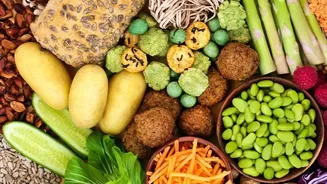
The type of protein might matter as much as the amount. Several large studies have found that a higher intake of plant protein is associated with lower mortality and signs of slower biological ageing. Replacing some animal protein, particularly red and processed meats, with plant sources like beans, lentils, and nuts is linked to better long-term health outcomes. Plant-based diets are often richer in fibre and other beneficial compounds that support gut health and reduce inflammation. While animal proteins are considered 'high quality' because they contain all essential amino acids, a well-planned diet rich in diverse plant sources can also provide a complete protein profile. This suggests that shifting the balance towards more plant-based protein could offer health benefits without resorting to drastic restriction.