






The Monsoon Challenge on the Roads to Spiti
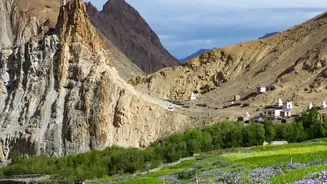
Spiti Valley itself is a cold desert located in a rain-shadow area, which means the main valley receives very little rainfall. The primary danger during the monsoon season lies not within Spiti, but on the treacherous roads that lead to it. Both the popular
routes from Shimla via Kinnaur and from Manali via the Atal Tunnel are highly susceptible to the effects of heavy seasonal rains. These include sudden and dangerous landslides, rockfalls, flash floods that can wash away sections of road, and rapidly swelling water crossings. These weather-induced events can lead to long, unpredictable road closures, leaving travellers stranded. It is this volatile environment on the approach routes that has prompted the Lahaul and Spiti district administration to enforce stricter safety protocols to protect tourists and locals alike.
Official Advisories: The Key Mandates for 2026
The Lahaul and Spiti Police have been actively issuing travel advisories based on weather forecasts from the India Meteorological Department (IMD). While not a single codified rulebook, these advisories function as essential, non-negotiable rules for anyone travelling in the region. The primary directive is to avoid all non-essential travel during periods of heavy rainfall alerts. A strict ban on night driving is another critical guideline; the poor visibility and increased risk of landslides after dark make it extremely hazardous. Authorities urge all travellers to check the official road status from the district disaster management or police social media pages on the morning of their travel, as conditions can change overnight. Planning for flexibility with at least two buffer days in your itinerary is no longer just a recommendation but a necessity to accommodate potential closures.
For Bikers: A Higher Bar for Safety
Motorcyclists are particularly vulnerable to the monsoon's challenges. For bikers, the authorities and experienced travellers stress that this is not the time for novices to test their skills. Only riders with prior experience on Himalayan roads should attempt the journey. Proper gear is mandatory. This includes fully waterproof riding apparel, not just water-resistant jackets, and high-ankle boots with excellent grip for slippery and muddy terrain. A well-serviced motorcycle is crucial, and riders should carry essential spares like clutch cables, spark plugs, and a puncture repair kit, as repair shops are scarce. One of the biggest hazards is water crossings, which can be calm in the morning but turn into raging torrents by the afternoon due to melting snow and rain. The rule is to always try and cross them before noon.
For Drivers: Preparedness is Paramount
Drivers of four-wheelers are not exempt from the stringent need for preparation. The most repeated advice is to choose your route wisely. The Shimla to Kaza route via Kinnaur is unanimously recommended as the safer option during monsoon due to its more gradual ascent and relatively better, though not perfect, road conditions. The Manali-Kaza route, involving high passes like Kunzum, is far more rugged and prone to sudden closures. Before starting the journey, ensure your vehicle has been thoroughly serviced, with special attention to brakes, engine health, and tire tread. While not mandatory, a 4x4 vehicle provides a significant advantage on slushy and broken road sections. Packing an emergency kit with extra food, drinking water, warm blankets, and essential medicines is a critical precaution in case you get stranded due to a road blockade.
Navigating Your Trip with Smart Tech and Local Intel
In addition to following official rules, smart travel practices can make a huge difference. Mobile connectivity is unreliable in most of Spiti Valley, with BSNL having the widest but still patchy coverage, especially in Kaza and Tabo. Do not rely on online maps for real-time conditions. Download offline maps for navigation before you lose signal. The most reliable sources for on-ground road status are often local. Before leaving your hotel or homestay each morning, speak with your host or local drivers. They possess invaluable, up-to-the-minute information about which roads are clear and which sections are problematic. For any emergency, the District Disaster Control Room helpline numbers (such as 9459461355) should be saved on your phone.