

More Than Just the Music
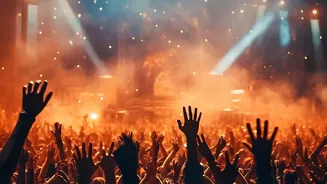
A new travel trend is taking hold among India's youth, with music festivals becoming the main reason for a holiday. Instead of booking trips to traditional beach or hill station destinations, young travellers are planning their annual leave around events
like Lollapalooza India, NH7 Weekender, or even international mega-festivals like Coachella and Glastonbury. According to a report from hostel chain Zostel, music-led trips have seen a four-to-five-fold year-on-year growth, with one in three Gen Z travellers now preferring a festival trip over a conventional holiday. This isn't just about catching a favourite band; it's a complete reframing of leisure time, where the festival provides the anchor for a broader travel experience. An Airbnb report noted that 62% of India's Gen Z plan to travel for music events in 2026.
The All-in-One Experience
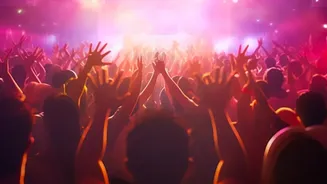
So, what’s driving this shift? The answer lies in Gen Z’s preference for experiences over possessions. A festival offers a potent, multi-layered experience that a standard holiday often struggles to match. It’s a package deal of music, art, food, fashion, and, most importantly, community. For many, festivals offer a space for authentic self-expression and connection, something increasingly valuable in a digitally saturated world. Research shows that 86% of Gen Z seek experiences that make them feel part of something bigger. The festival grounds become a temporary city built on shared interests, where attendees can find a sense of belonging. More than half of young travellers in India extend their stay beyond the festival dates to explore the local city and culture, turning the event into a genuine vacation.
Smart Economics and The 'Bleisure' Trip
While festival tickets can seem expensive, many young travellers view them as a strategic investment in their happiness and social life. When you factor in the cost of a traditional holiday—flights, hotels, daily activities, and meals—a festival trip can present surprising value. The ticket itself bundles several days of world-class entertainment. Furthermore, this trend often merges with another: 'bleisure', or the combination of business and leisure. Young professionals might work remotely from a new city in the days leading up to a festival, maximizing their time and budget. The rise of destination festivals in places like Northeast India for events such as the Ziro Festival and the Cherry Blossom Festival shows this in action, with bookings growing significantly year-on-year as travellers combine cultural immersion with their musical interests.
A Trip Made for the Social Media Age
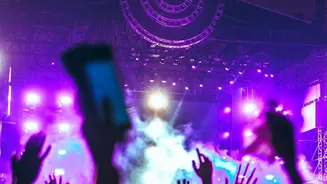
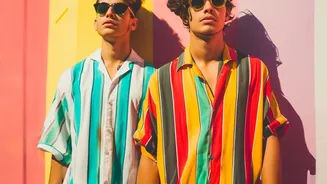
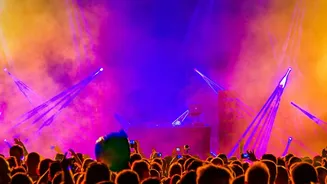
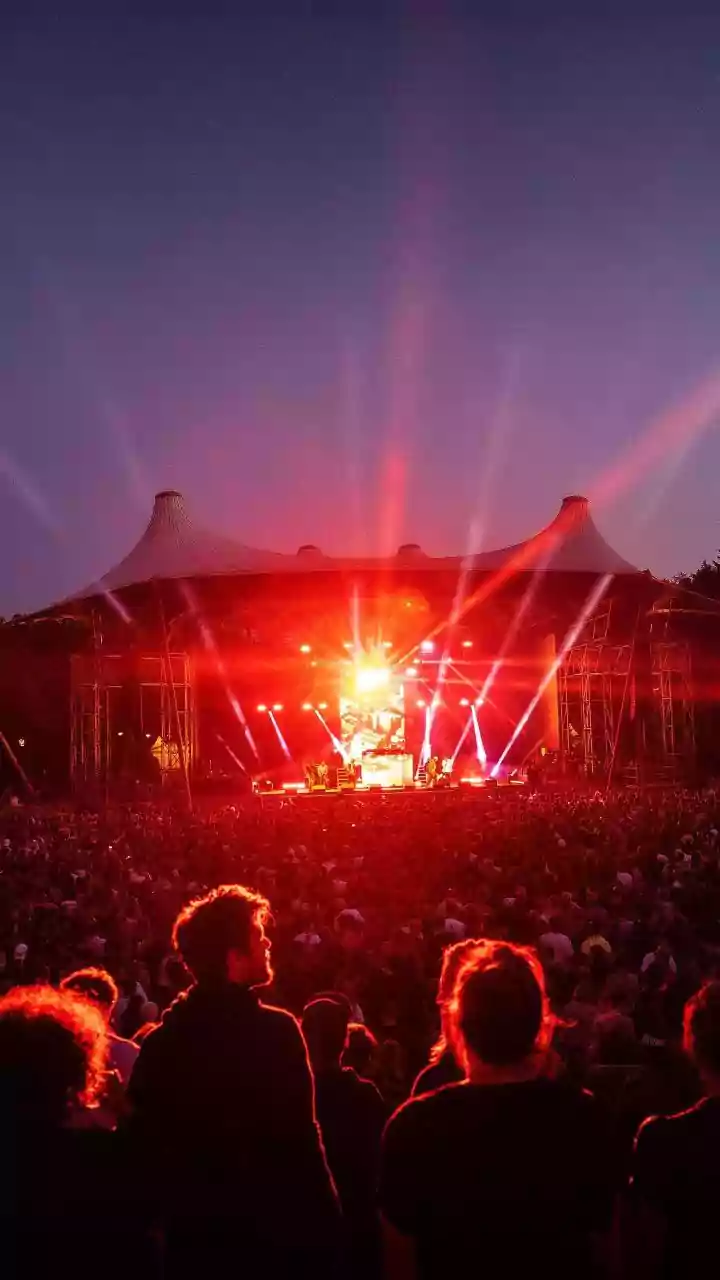
In the age of Instagram and TikTok, the visual and narrative power of a festival is undeniable. These events are vibrant, photogenic, and packed with shareable moments, from the stage design and light shows to the fashion and food. The entire experience is content-ready. This isn't just about vanity; it's about identity creation and storytelling. For many young people, sharing their experiences online is an integral part of the event itself. The pre- and post-event buzz—planning outfits, sharing playlists, and posting memories—extends the life of the trip far beyond the weekend itself, amplifying its value. A Live Nation report found that 96% of Gen Z consider these pre- and post-event moments just as important as the main performance.
The Future of Travel and Entertainment
Festival organisers have recognised this trend, increasingly marketing their events not just as concerts, but as complete travel destinations. They are curating unique experiences that go beyond the musical lineup, focusing on the overall 'vibe', location, and sense of community. As one organiser noted, they are competing for people’s vacation time and hard-earned money. This shift is reshaping local tourism, with reports showing that 76% of Gen Z in India have visited a new city for the first time just to attend a music event. This influx supports local cafes, shops, and businesses, creating a significant economic ripple effect. This trend signals a future where the lines between entertainment, travel, and cultural immersion are increasingly blurred, all driven by the beat of the next great festival.