







An Overhaul Prompted by the People
For years, navigating the IRCTC website felt like an ordeal, marked by session timeouts, endless CAPTCHA codes, and frustrating crashes during the high-stakes Tatkal booking window. The platform, first launched in 2002, was straining under the weight
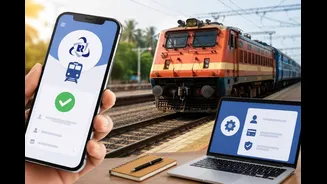
of immense demand. The catalyst for the latest overhaul reportedly came directly from users when students in Rajasthan voiced their frustrations directly to Union Railway Minister Ashwini Vaishnaw. This feedback triggered a comprehensive upgrade of not just the website's front end, but also the nearly 40-year-old Passenger Reservation System (PRS) that powers it. The result is a platform rebuilt for the modern era, aiming to finally eliminate the digital bottlenecks that have plagued Indian travellers.
Engineered for Speed and Stability
The most significant upgrade is invisible to the naked eye but will be felt by every user, especially during peak hours. The new system's capacity has been massively increased to handle the country's enormous demand. The platform can now process over 1.5 lakh ticket bookings per minute, a nearly five-fold increase from the previous capacity of around 32,000. Furthermore, the system can now handle over 40 lakh enquiries per minute, up from just 4 lakh previously. In practical terms, this means the website is far less likely to crash or slow down during the morning Tatkal rush. This enhanced backend infrastructure is specifically designed to minimise booking failures and payment issues when every second counts.
A Smarter and Simpler Booking Flow
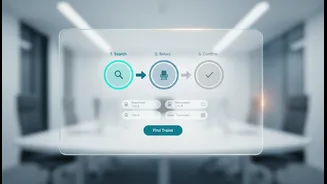
The redesign introduces several new features aimed at simplifying the core task of booking a ticket. One of the most welcome changes is the unified seat availability display. Instead of having to click into each travel class (Sleeper, AC 3 Tier, AC 2 Tier, etc.) one by one, users can now see the availability across all classes on a single, clean screen. Another major addition is the fare calendar, which allows travellers with flexible dates to easily compare prices and find the most economical option. The entire booking process has been streamlined to require fewer clicks, and users can now save passenger details to make repeat bookings for family and frequent trips significantly faster.
Goodbye to Constant Interruptions
Perhaps the most universally applauded change will be the drastic reduction in on-screen clutter and interruptions. The new interface is designed to be cleaner, with fewer distracting pop-ups and flashing banners that often got in the way of booking. Most importantly, the system promises fewer CAPTCHA verifications—those pesky, often hard-to-read text boxes that frequently appeared at the worst possible moments. By creating a more focused and linear path from searching for a train to confirming a payment, the redesign aims to make the booking experience less stressful and more efficient from start to finish.
More Than Just a Facelift
Beyond speed and simplicity, the new IRCTC website broadens its accessibility. The platform will now support multiple Indian languages, making it usable for a much wider segment of the population that may not be comfortable with English. Another key improvement is the integration of concession bookings. This simplifies the process for groups like students, patients, and Divyangjan, who previously had to navigate separate or more complex procedures to avail their concessions. Features like visual coach maps to help choose preferred berths and more reliable waitlist predictions are also part of this passenger-centric upgrade, demonstrating a deeper focus on the end-to-end travel experience.