




The Exam That Defines a Future
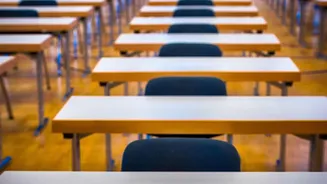
The College Scholastic Ability Test, or 'Suneung' as it's known, is a gruelling eight-hour academic marathon that high school students face every November. For many, this single day is the culmination of 12 years of intense study and is widely seen as the primary
determinant of their future. A high score can open doors to one of the country's elite 'SKY' universities (Seoul National, Korea, and Yonsei), which in turn is perceived as a ticket to a prestigious career, financial security, and even better marriage prospects. The pressure is immense, as the results of this one exam can profoundly shape a person's social and professional life. It’s more than a test; it's a rite of passage that the entire country takes part in.
A Nation on Standstill
The lengths to which the country goes to support its students are extraordinary. To ensure students get to their test centres without being delayed by morning traffic, many public and private offices are asked to open an hour later, at 10 a.m. The Korea Exchange follows suit, delaying the opening of the stock market by an hour. Banks also shift their operating hours. Perhaps the most dramatic measure is the nationwide no-fly zone enforced for 35 minutes during the English listening comprehension section of the exam. All take-offs and landings are suspended, and planes already in the air must maintain an altitude of at least 3 kilometres to prevent engine noise from disturbing the candidates. Even military exercises are restricted near exam venues.
A Familiar Pressure for Indian Students
For anyone in India familiar with the intense competition surrounding exams like the JEE for engineering, NEET for medicine, or the UPSC for civil services, the pressure of the Suneung is deeply relatable. The singular focus on one high-stakes exam, the years of preparation, and the societal belief that the outcome will define one's life path are all common threads. In both countries, education is seen as the primary vehicle for social mobility, placing immense weight on these national exams. Parents invest heavily in tutoring, students sacrifice social lives for study, and an entire ecosystem of coaching centres thrives on this pressure. The collective anxiety and hope that grip households in South Korea on Suneung day would feel very familiar to families across India during their own exam seasons.
Solidarity and Superstition
The day is also a remarkable display of national solidarity. Younger students often gather outside test centres, chanting encouragement and holding signs to cheer on their seniors. Police cars and motorcycles are on standby to give students who are running late a high-speed escort to their exam hall. Families and friends participate through prayer and tradition. Many parents flock to Buddhist temples and Christian churches to pray for their children's success, sometimes timing their prayers to match the exam schedule. Superstitions also play a big part; for example, students avoid eating seaweed soup because its slippery texture is thought to bring bad luck and cause them to 'slip' on questions. Instead, they are often given sticky rice cakes and taffy, in the hope that good luck will 'stick' to them.
A System Under Scrutiny
Despite being a cornerstone of the education system since its modern form was introduced in the early 1990s, the Suneung is not without its critics. Concerns about the intense mental health toll on students, the stifling of creativity in favour of rote memorization, and the socioeconomic inequalities that private tutoring can amplify are common topics of debate. In recent years, authorities have also had to contend with new challenges, such as the potential for cheating using AI-powered devices like smart glasses, leading to heightened security measures like blocking Wi-Fi signals and inspecting candidates' clothing. Yet, the annual tradition of a nation pausing to rally behind its students continues, a testament to the enduring cultural significance placed on this single, life-altering day.