




The Quest for the Perfect Fritter
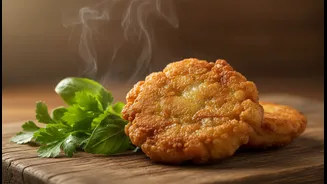
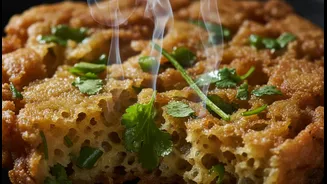
Imagine the ideal fritter, or pakora. It has a light, incredibly crisp exterior that gives way to a steamy, flavourful interior packed with vegetables and spices. It's a delightful snack, a comforting treat on a rainy day. But sometimes, the reality is a batch
of fritters that are heavy, greasy, and limp. This common kitchen failure isn't just about bad luck; it’s about science, and a crucial factor many home cooks overlook is the moisture content of their ingredients. Even a small amount of excess water can sabotage your efforts, turning a potential triumph into a soggy disappointment.
Viscosity: Your Batter’s Superpower
The secret to a great fritter lies in the batter's viscosity. Viscosity is simply a measure of a fluid's thickness or resistance to flow. Think of the difference between water (low viscosity) and honey (high viscosity). For fritters, the batter's viscosity is paramount. A batter that is too thick results in a dense, doughy fritter that doesn't cook through properly. Conversely, a batter that is too thin, or has low viscosity, is the primary cause of oil absorption errors. This thin batter fails to create a protective seal around the ingredients when it hits the hot oil.
The Hidden Enemy: Water from Fresh Herbs
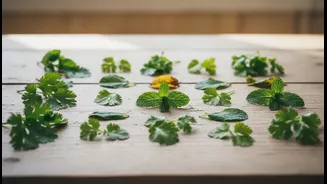
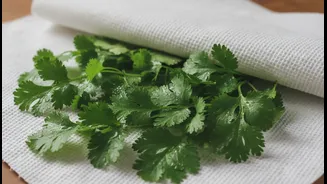
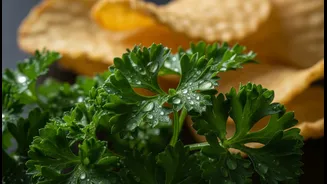
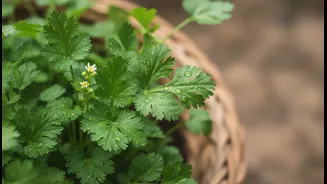
This is where your freshly washed coriander comes in. Herbs and leafy greens like coriander or spinach have a high water content. When you wash them, they retain a significant amount of surface moisture. If you chop these wet herbs and add them directly to your batter, you are inadvertently adding extra, unmeasured water. This seemingly small amount of liquid can drastically dilute your batter, lowering its viscosity from the ideal thickness to a runny consistency. Suddenly, your carefully prepared batter is too thin to do its job effectively. The same applies to other high-moisture vegetables if they aren't properly prepared.
The Science of a Soggy Mistake
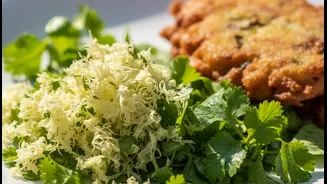
When a perfectly viscous batter hits hot oil (ideally between 170°C and 190°C), it rapidly forms a crust. This crust acts as a barrier, preventing the hot oil from seeping deep into the fritter. The moisture inside the fritter turns to steam, cooking the ingredients from within and pushing outwards, which helps keep the oil out. However, when the batter is diluted by water from wet coriander, it's too weak to form this protective crust quickly. Instead of sealing the surface, the thin batter allows hot oil to penetrate deep into the fritter, which acts like a sponge. The result is a fritter that is saturated with oil, heavy, and greasy, rather than light and crisp.
The Simple Fix for Flawless Fritters
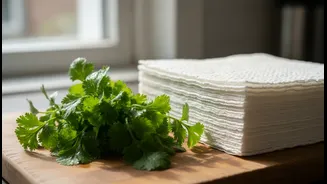
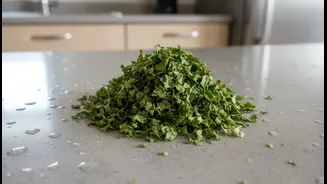
The solution is wonderfully simple: dry your greens thoroughly. After washing your coriander, take the time to remove as much moisture as possible. You can use a salad spinner, which is the most effective method, or gently pat the leaves dry between layers of paper towels or a clean kitchen cloth. Be thorough; you'll be surprised how much water comes off. This one small step ensures that you are in control of the batter's consistency. You can then add liquid, if needed, in a measured way until you reach that perfect, thick-but-pourable consistency that coats the back of a spoon. This principle applies to any wet ingredient, from grated zucchini to chopped onions—managing moisture is key to frying success.