
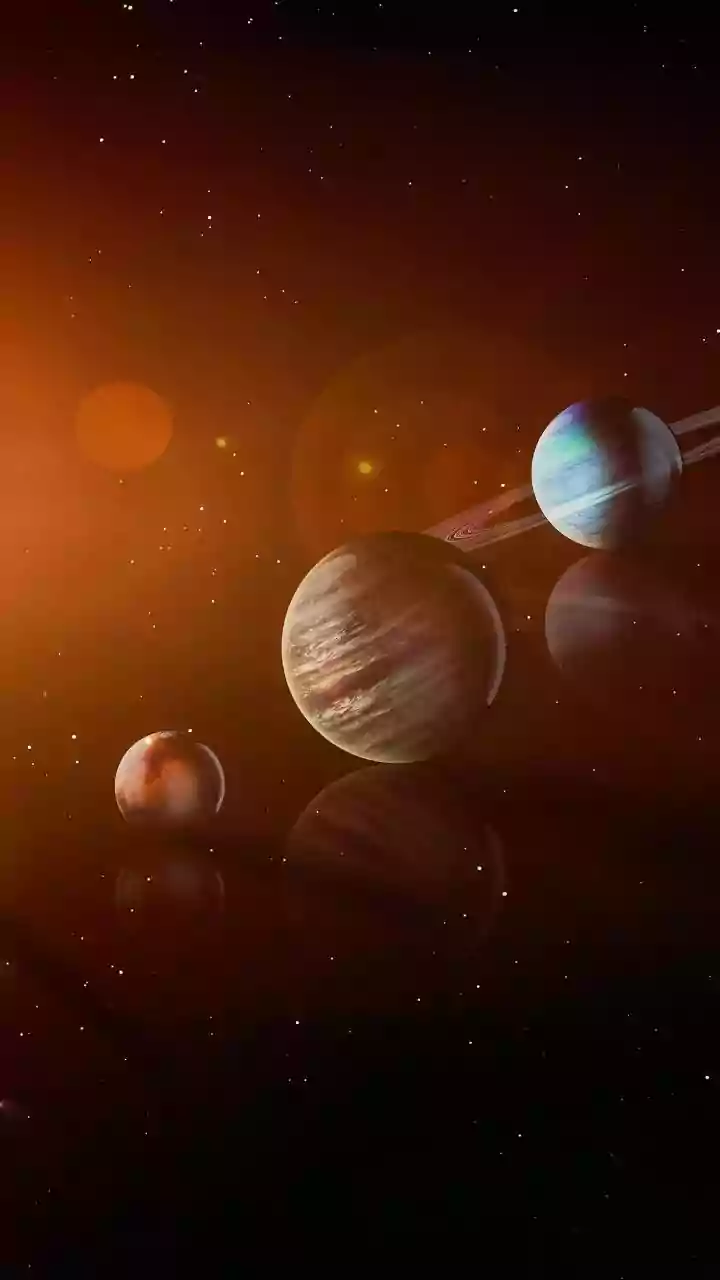
Why August is a Great Month for Saturn Spotting
While Saturn’s brightest night of the year, known as opposition, is in early October, August is when it truly becomes a star of the evening sky. Throughout the month, Saturn will rise earlier and earlier, making it conveniently visible for hours after
sunset. It rises in the east a couple of hours after the sun goes down and remains visible all through the night, reaching its highest point in the southern sky before dawn. This makes August the perfect time to practice finding it ahead of its peak brilliance. This month also features a 'parade' of planets in the pre-dawn sky, and Saturn is one of the easiest and most reliable members of the celestial procession to spot.
The Only Equipment You Really Need
The best part about this cosmic treasure hunt is its simplicity. All you truly need are your own eyes. Saturn is the most distant planet easily visible without any equipment. To make your search foolproof, however, a little modern technology can help. Consider downloading a free stargazing app on your smartphone. Apps like Stellarium, Star Walk 2, or SkyView use your phone's location to show you a real-time map of the sky. Simply point your phone upwards, and the app will identify stars, constellations, and, most importantly, Saturn. If you happen to own a pair of binoculars, bring them along. While they won't reveal the rings in sharp detail, they can make the planet appear as a tiny, distinct oval rather than a simple point of light.
A Step-by-Step Guide to Finding Saturn
Ready to find it? First, find a location with a clear view of the eastern horizon, preferably away from the glare of city lights. Wait for about two hours after sunset. Scan the eastern sky for a bright, steady point of light. Unlike stars, which twinkle, planets shine with a constant glow. Saturn will appear as a bright, yellowish-golden 'star'. This August, Saturn is located in the constellation Pisces. Since the stars of Pisces are quite dim, Saturn's brightness will make it stand out prominently in that area of the sky. If you're looking late into the night or before dawn, you will find it higher in the sky, tracking across the south.
Mark These Dates on Your Calendar
To make finding Saturn even easier, nature provides its own signposts. The Moon acts as a helpful guide for celestial sightseers. Keep an eye on the sky on the evening of August 4th, when the Moon will be visible near Saturn, helping you to locate the planet. An even closer approach will happen overnight from August 30th to 31st. On this night, the Moon and Saturn will rise together and travel across the sky as a stunning pair, making for a can't-miss viewing opportunity for beginners and seasoned stargazers alike. These nights are perfect photo opportunities and an easy way to confirm you've found your target.
Managing Expectations: What You Will See
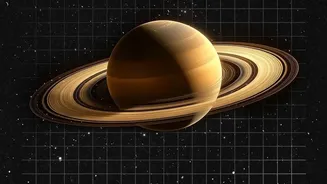
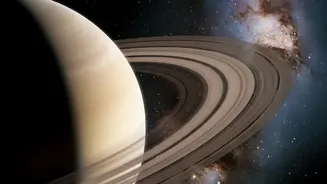
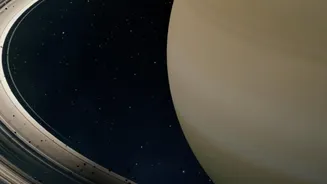
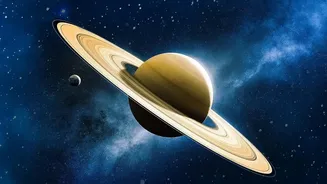
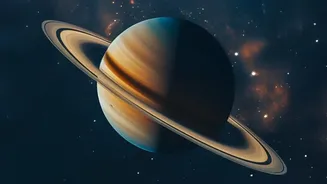
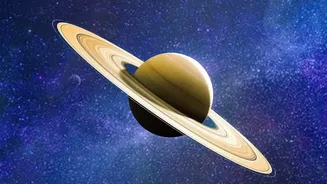
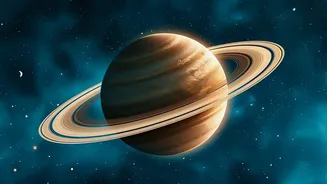
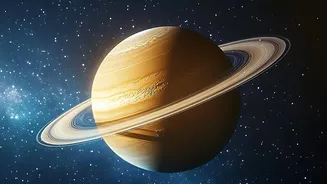
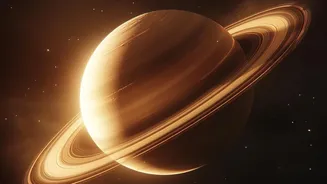
It is important to remember what you are looking for. To the naked eye, Saturn will not look like the grand, ringed world you see in NASA photos. It will appear as a bright, star-like object with a distinct, steady golden hue that sets it apart from the twinkling stars around it. The real reward is not a high-definition view, but the profound feeling of successfully identifying a planet that is over a billion kilometres away with your own eyes. It’s a moment of connection with the cosmos, a reminder of the vast and beautiful universe we are a part of. The simple act of finding it among a sea of stars is a truly satisfying experience.