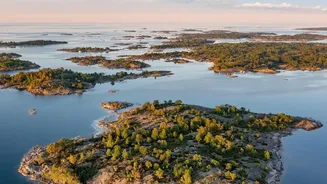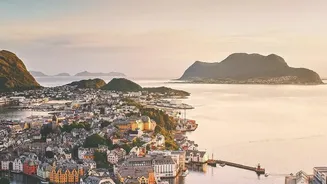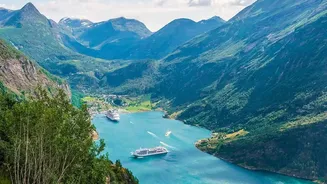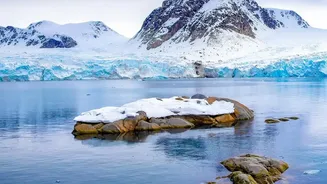



Beyond the famous fjords, Norway's coastline is scattered with thousands of islands, each a world of its own. From dramatic mountain peaks to serene, wildlife-rich archipelagos, these destinations offer a unique glimpse into Norwegian nature.
The Lofoten Islands: A Postcard Paradise
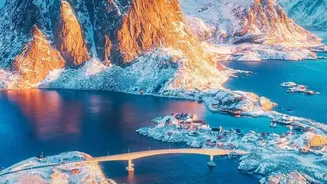
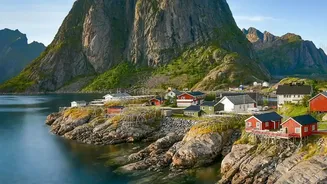
The Lofoten
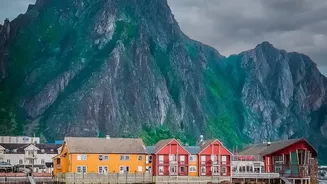
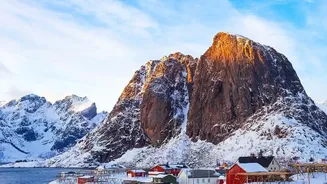
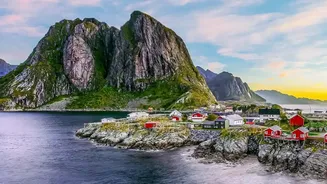
archipelago is arguably the most famous of Norway's island chains, and for good reason. Jagged, snow-dusted peaks rise directly from the sea, sheltering picturesque fishing villages with their iconic red 'rorbuer' (fishermen's cabins) balanced on stilts over the water. Towns like Reine and Hamnøy are postcard-perfect, offering a base for activities that span the seasons. In summer, the midnight sun allows for round-the-clock hiking, kayaking, and surfing on surprisingly beautiful beaches like Haukland and Ramberg. During winter, the dark skies provide a perfect canvas for the Northern Lights. Connected by a series of bridges and tunnels, Lofoten is a road-tripper's dream, with every turn revealing a new, breathtaking vista.
Senja: Norway in Miniature
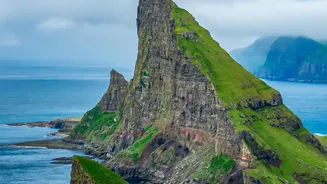
Often described as 'Norway in miniature', Senja is the country's second-largest island and offers a stunning cross-section of Norwegian landscapes. The outer coast is wild and dramatic, with sharp, alpine mountains plunging into the sea, including the iconic peak of Segla. This side of the island is a paradise for hikers and photographers. In contrast, the island's interior is a gentle expanse of forests, rivers, and farmland. Senja is a less crowded alternative to Lofoten, offering a more tranquil but no less spectacular experience. It is accessible by ferry or bridge, making it a feasible addition to any Northern Norway itinerary.
Sommarøy: The Arctic Beach Getaway
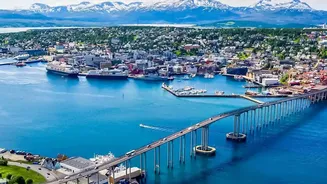
Just an hour's drive from the city of Tromsø lies Sommarøy, a small archipelago known for its shockingly white sand beaches and turquoise waters that feel more Caribbean than Arctic. This charming fishing village is connected to the neighbouring island of Kvaløya by a bridge, making it an easy day trip or a longer retreat. In summer, under the midnight sun, the beaches are perfect for coastal walks and picnics. In winter, the minimal light pollution makes Sommarøy a prime location for watching the Northern Lights dance across the sky. Activities like kayaking, fishing, and whale watching (in season) are popular ways to explore the surrounding sea.
Vega Archipelago: A UNESCO World Heritage Site
The Vega archipelago, located just south of the Arctic Circle, is a testament to a unique and sustainable way of life. This cluster of over 6,500 islands, islets, and skerries was awarded UNESCO World Heritage status in 2004 for its centuries-old tradition of eider duck tending. For over 1,500 years, the islanders have built shelters for the wild eider ducks, protecting them during nesting season. In return, after the ducklings have left, they harvest the precious eiderdown left in the nests—the finest natural insulation in the world. Visitors can learn about this unique human-animal relationship at the Vega World Heritage Centre and explore the relatively flat main island by bike, enjoying its rich birdlife and serene cultural landscape.
Røst: The Seabird Kingdom
At the far southern tip of the Lofoten chain lies Røst, a remote, flat archipelago that is a world away from the jagged peaks of its northern neighbours. Røst's global significance comes from its bird cliffs, which are among the most important in the North Atlantic. For birdwatchers, this is a pilgrimage site. The outlying islands of Vedøya and Storfjellet are home to massive colonies of seabirds. While Røst once hosted the world's largest puffin colony, populations have faced challenges due to changes in the food supply. However, it remains a critical habitat, and boat tours during the summer breeding season offer incredible sights of puffins, kittiwakes, razorbills, guillemots, and the majestic white-tailed sea eagle. This is a community shaped by the sea, from the bustling winter cod fishery to the wooden racks where stockfish dries in the wind. To visit Røst is to experience a raw, wind-swept beauty and witness a powerful connection between nature and culture.