







When a heatwave hits, the first instinct is to drink more water. But what you eat plays a crucial, often-overlooked role. Strategically adding water-rich foods to your diet can significantly improve your hydration and overall well-being.
More Than Just Drinking Water
While chugging
water is essential, it's not the only source of hydration. In fact, experts estimate that about 20% of our daily fluid intake comes directly from the food we eat. Fruits and vegetables are particularly effective because their water is trapped within a fibrous structure. This means the water is absorbed more slowly by the body, leading to more sustained hydration compared to simply drinking a glass of water that passes through your system more quickly. This slow release helps your body maintain its fluid balance for longer, which is especially beneficial during intense heat when you're constantly losing moisture through sweat.
The Electrolyte Advantage
Dehydration isn't just about water loss; it's also about the depletion of essential minerals called electrolytes, such as potassium, sodium, and magnesium. These minerals are vital for nerve function, muscle contractions, and maintaining the body's pH balance. When we sweat, we lose both water and electrolytes. Many water-rich foods, including fruits and leafy greens, are natural sources of these critical minerals. Eating these foods helps replenish both fluids and electrolytes simultaneously, making them a powerful tool for preventing the headaches, fatigue, and muscle cramps associated with dehydration.
Cucumber: The Ultimate Hydrator
With a water content of about 96%, cucumber is one of the most hydrating foods you can find. A staple in Indian summers, often found in raita or salads, this cooling vegetable is perfect for replenishing lost fluids. Beyond water, cucumbers also provide small amounts of nutrients, including potassium and antioxidants. Their crisp texture and refreshing taste make them an easy and versatile addition to any meal, whether sliced into sandwiches, blended into a cooling drink, or simply eaten raw with a sprinkle of salt.
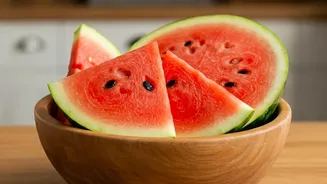
Watermelon: A Sweet Summer Staple
It’s no surprise that a fruit with 'water' in its name is a hydration hero. Watermelon is composed of about 92% water and is incredibly effective at cooling and hydrating the body. It’s also a good source of potassium, an important electrolyte, and contains lycopene, a powerful antioxidant that protects your cells from damage. A juicy slice of watermelon on a hot day is not just a treat; it’s a delicious way to restore fluids and energy.
Yogurt (Curd): The Cooling Probiotic
A cornerstone of the Indian diet, curd or yogurt is a surprisingly effective hydrating food. Plain yogurt contains about 75–85% water and is an excellent source of electrolytes like potassium and calcium. It also provides the added benefit of probiotics, which support good gut health—something that can be compromised during extreme heat. Whether enjoyed as a bowl of curd, in a lassi, or as buttermilk (chaas), it helps cool the body from the inside out and aids in digestion.
Tomatoes: A Versatile Hydration Source
Often used in cooking, fresh tomatoes have a water content of around 94–95%. They are a fantastic source of hydration that can be easily incorporated into salads, sandwiches, and cooling soups like gazpacho. In addition to water, tomatoes are rich in vitamins and the antioxidant lycopene, which supports overall health. Their slight saltiness can also help replenish sodium lost through sweat, making them a wellrounded choice for heatwave nutrition.
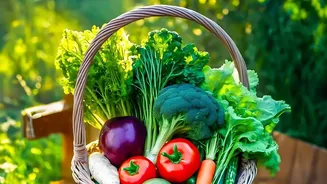
Spinach: The Nutrient–Dense Green
Leafy greens are a sneaky source of hydration, and spinach is a top contender with $91%$ water content. Beyond its hydrating properties, spinach is packed with essential nutrients like magnesium, potassium, iron, and vitamins. These minerals are crucial for maintaining energy levels and muscle function, both of which can be taxed by high temperatures. Lightly cooking it or adding it raw to salads and smoothies is an easy way to boost your intake of both water and vital nutrients.