


Decoding the E-Visa Fee Waiver
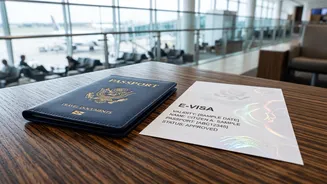
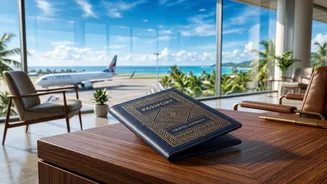
On November 17, 2026, at the 23rd India-ASEAN Summit in Manila, Prime Minister Narendra Modi announced the proposal to offer free e-tourist visas to citizens of all 11 ASEAN countries. It's important to note this is a fee waiver, not a 'visa-free' travel
arrangement. Tourists would still need to apply for an e-visa online before their trip but would be exempt from the processing fee. This initiative aims to standardise the visa process for the entire bloc. Currently, the visa fee structure is inconsistent; citizens of Indonesia and Myanmar already enjoy fee-free e-visas for all durations, while those from Malaysia, the Philippines, and Thailand get a free 30-day visa but must pay for longer stays. Travellers from the remaining six nations—Brunei, Cambodia, Laos, Singapore, Timor-Leste, and Vietnam—currently pay fees ranging from US$10 to US$200 depending on the season and visa duration.
Who Stands to Benefit?
The proposal covers all 11 member states of the Association of Southeast Asian Nations (ASEAN): Brunei, Cambodia, Indonesia, Laos, Malaysia, Myanmar, the Philippines, Singapore, Thailand, Timor-Leste, and Vietnam. For tourists from the six countries still paying fees, the savings could be significant, making a trip to India more affordable. For the five countries that already have some form of a fee waiver, the proposal aims to create a more uniform and consistently free system, though the government has yet to clarify if this will extend to longer-term visas for all. The move is a clear signal of India's intent to attract a larger share of the region's outbound tourism market, which saw over 800,000 visitors to India in 2025.
Part of a Broader 'Act East' Policy
This visa proposal is not happening in a vacuum. It is a key component of India's 'Act East' Policy, an initiative launched in 2014 to deepen economic and strategic relationships with Southeast Asian nations. This policy evolved from the earlier 'Look East' policy of the 1990s and emphasizes a more proactive, outcome-based approach to regional engagement. By reducing barriers to travel, India aims to strengthen people-to-people connections, which are a cornerstone of the policy. Prime Minister Modi highlighted that since 2014, over 100 initiatives have been launched to bolster these ties. The visa waiver is a powerful tool of soft power diplomacy, designed to build goodwill and foster greater cultural and commercial exchange.
Boosting Tourism and the Economy
The economic rationale behind the proposal is compelling. Waiving visa fees makes India a more competitive destination compared to regional rivals like China, Thailand, and Malaysia, which have also used visa-free policies to attract tourists. Easier access is expected to significantly boost arrivals from the ASEAN bloc, which is a major source of travellers, including those interested in the Buddhist pilgrimage circuit in India. Direct flights already connect India with nine of the 11 ASEAN nations, providing the necessary infrastructure to support a surge in tourism. An increase in tourists translates directly to higher foreign exchange earnings and growth for India's hospitality, transport, and retail sectors, aligning with the national goal of making tourism a key economic driver.
What Happens Next?
While the announcement has generated excitement, the proposal is not yet in effect. It was formally introduced by the Prime Minister, but the Indian government has not yet announced an implementation date or the final eligibility details. Such policies typically require review and clearance from various ministries, including the Ministry of Home Affairs, which oversees immigration and security. The proposal was part of a larger package of cooperative initiatives discussed at the summit, including partnerships in maritime security, disaster management, and technology. Travellers and tour operators will be watching closely for the official notification that turns this strategic proposal into a practical reality.