




The Green Glow: Why Matcha's Reign Endures
For the last few years, matcha has been the undisputed star of India’s café scene. What began as a niche Japanese tea has transformed into a mainstream wellness beverage, driven by health-conscious millennials and Gen Z consumers. Its popularity is rooted
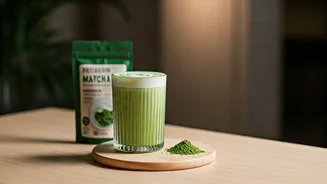
in a powerful combination of factors: health benefits, aesthetic appeal, and cultural cachet. Matcha is packed with antioxidants and L-theanine, an amino acid that provides a feeling of 'calm alertness' without the jitters often associated with coffee. This unique benefit has positioned it as a go-to drink for those seeking focus and mindfulness. Furthermore, its vivid green colour and the ceremonial nature of its preparation have made it a social media darling, a symbol of a modern, globally-influenced lifestyle. With the Indian matcha market growing at nearly double the pace of the broader tea market, it's clear this is more than just a passing fad.
The Filter Coffee Renaissance
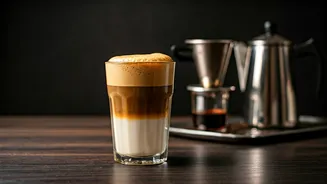
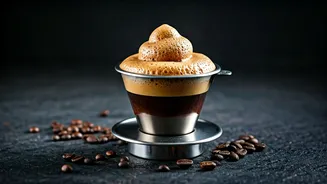
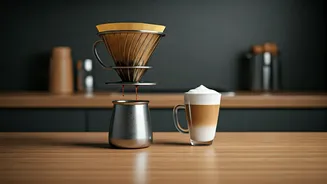
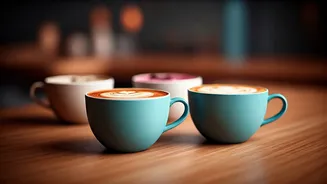
Just as matcha seemed to cement its status, an old favourite began its resurgence: South Indian filter coffee. Long a household staple in the south, 'kaapi' is now being rediscovered and rebranded for a new generation of urban coffee drinkers. This isn't the instant coffee that dominated Indian kitchens for decades; this is about appreciating the craft of a slow-brewed decoction, often made with specific bean blends and a touch of chicory for that signature richness. The 'Third Wave' coffee movement, which initially popularised artisanal global brewing methods, has ironically paved the way for a return to our own roots. Brands and cafés are now marketing filter coffee with a focus on heritage, authenticity, and superior taste, appealing to consumers looking for a sensory connection to their culture. Major chains like Starbucks and Third Wave Coffee Roasters now feature it on their menus, signalling its move from a regional drink to a national trend.
A Clash of Cultures and Tastes
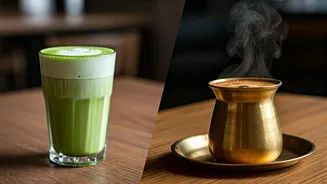
The choice between matcha and filter coffee is more than just a matter of taste; it reflects two distinct cultural currents. Matcha represents a global wellness trend, embraced by a generation exposed to international habits through travel and social media. Its flavour is earthy and umami, an acquired taste for some, but one that signifies being part of a worldwide movement. Filter coffee, conversely, is deeply rooted in Indian identity and nostalgia. Its strong, aromatic, and milky-sweet profile is familiar and comforting, a taste of home that is now being elevated to a premium experience. The rise of filter coffee is part of a broader 'slow coffee' trend, where the ritual of brewing is as important as the drink itself, a direct contrast to the get-it-quick culture. This isn't just about a beverage; it's about choosing between global aspiration and local pride.
The Verdict in the Cup
So, is filter coffee truly displacing matcha? Not exactly. The Indian beverage market isn't a zero-sum game; it's expanding. Matcha's growth remains robust, with its market value projected to reach ₹1,400 crore by 2030. It continues to be a status symbol and a functional wellness drink for many. However, the rise of specialty and filter coffee is undeniable, with the overall Indian coffee market expected to nearly double in value by 2030. What we're witnessing is a diversification of tastes. Consumers now want choices that reflect different moods and identities. They might opt for a matcha latte for a calm, productive afternoon and a filter coffee for a comforting morning ritual. The modern Indian café is becoming a space that accommodates both the global and the local, where a Japanese tea ceremony and a South Indian tradition can coexist on the same menu.