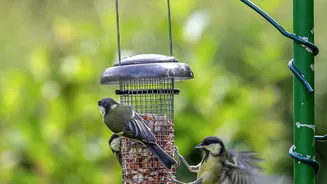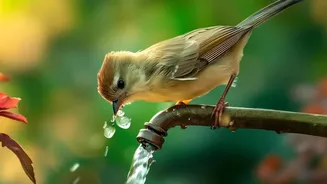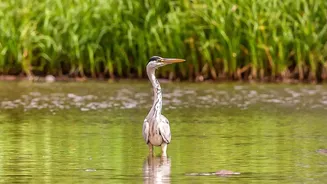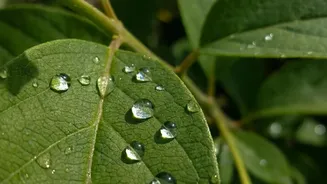









For the urban birdwatcher, the crisp, quiet moments of an early morning hold a special magic. As seasons change, a subtle natural phenomenon unfolds across city parks and gardens, offering a secret advantage for spotting your favourite birds.
The Science of a Dew-Kissed Morning
That familiar
sparkle on grass and leaves, known as dew, is a hallmark of seasonal shifts, particularly in autumn. It forms when cooler, longer nights follow warmer days. As surfaces like leaves and spiderwebs cool down overnight, they fall below a critical temperature called the 'dew point'. This causes moisture in the air to condense directly onto these surfaces, creating the tiny water droplets we see at dawn. Autumn provides the perfect conditions for this: the air is still humid from the preceding warmer months, but the nights are long and cool enough to trigger heavy condensation. This simple process transforms the landscape into a glistening, water-drenched environment just as the day begins.
A Glistening Disadvantage for Insects
While beautiful to us, this coating of dew is a significant challenge for many insects. In the cool air of the early morning, insects are often in a state of torpor, moving sluggishly as they wait for the sun's warmth. The added weight of dew droplets on their wings and bodies can make it difficult for them to take flight quickly. Furthermore, the droplets catch the morning light, making the insects glitter and stand out against the foliage. What was once camouflaged becomes a conspicuous, sparkling meal. This combination of reduced mobility and increased visibility turns them into an easy-to-spot, slow-moving target for hungry predators.
An Open Invitation for Urban Birds
For India's urban insect-eating birds, a dewy morning is an all-you-can-eat buffet. Species that have adapted well to city life know how to exploit this daily event. Common Mynas, Red-vented Bulbuls, and Black Drongos are frequently seen foraging on the ground in the early hours. The dew makes their prey easier to find and catch. Green Bee-eaters perform acrobatic flights to snatch dew-laden insects, while birds like the White-throated Kingfisher might supplement their diet with these easy pickings. Even primarily seed-eating birds like the House Sparrow will feed insects to their young and take advantage of such an abundant food source. The increased insect activity and visibility in these moist conditions create a hub of bird activity.
Your Guide to Dew-Drop Birding
To take advantage of this phenomenon, timing and location are everything. The best time to head out is just after sunrise, when the dew is heaviest and the birds are most active. Birds are typically busiest from dawn until around 9 a.m. Look for areas in local parks, gardens, or any green space where different habitats meet, such as the edge of a scrubby patch and a lawn. Pay close attention to lowly vegetation, grasses, and the ground, where birds like mynas and babblers will be actively hunting. Listen for the sounds of activity and move slowly and quietly to avoid startling your subjects. Standing still near a flowering tree or a patch of damp ground can often yield better results than walking continuously.
More Than Just the Dew
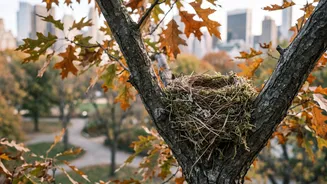
While dew provides a fantastic opportunity, other factors during seasonal changes also aid the urban birdwatcher. As autumn progresses, many deciduous trees begin to lose their leaves. This thinning canopy makes it physically easier to spot birds that might otherwise be hidden by dense foliage. The combination of clearer sightlines and the readily available, dew-covered insect feast makes the transitional seasons a particularly rewarding time for birding. It’s a perfect example of how small, interconnected natural cycles create windows of opportunity for those who know where and when to look.