






1. Master the Waterlogged Road
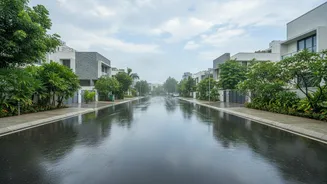
Flooded streets are a common sight in Indian cities during the monsoon, but they hide serious dangers. Murky water can conceal open manholes, sharp debris, and the biggest threat of all: electrocution from submerged live wires or damaged electrical poles.
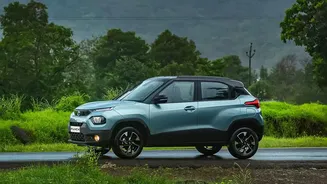
The simplest rule is the most effective: if you can avoid wading through a waterlogged area, do so. If you absolutely must cross, try to follow the path of other vehicles and people. For motorists, if the water level seems to be above your car's door sills, it is safest to find an alternative route. Driving through deep water can cause your vehicle to stall and may lead to water entering the engine through the exhaust. If you must proceed, do so slowly and steadily, keeping a light foot on the accelerator to prevent water from backing up the exhaust pipe.
2. Gear Up and Protect Your Essentials
The right gear is your first line of defence against the rain. A lightweight, high-quality raincoat is often more practical than an umbrella, especially for two-wheeler riders or those who have to walk a fair distance, as it keeps your hands free. Non-slip footwear with good grip is non-negotiable to prevent falls on slick surfaces. Equally important is protecting your belongings. A waterproof backpack or a rain cover for your regular bag is crucial for shielding laptops, phones, and documents. It's also wise to keep a spare pair of dry socks and, if possible, shoes at your workplace. Having a fully charged power bank is another smart move, as longer-than-usual travel times are common during heavy downpours.
3. Drive and Ride Defensively
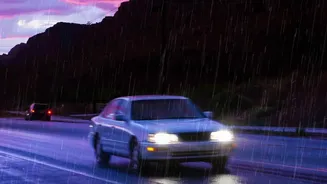
Wet roads drastically reduce tyre grip and increase braking distances, sometimes by almost double. The single most important adjustment to make is to reduce your speed significantly. Maintain at least twice the normal distance from the vehicle in front of you to give yourself ample time to react and brake safely. Ensure your vehicle is monsoon-ready before you even start your journey. Check that your tyres have adequate tread, your brakes are in top condition, and your wipers can clear the windscreen effectively. Always drive with your low-beam headlights on, even during the day, to improve your visibility to others. Avoid using high beams, which can reflect off the raindrops and dazzle oncoming drivers.
4. Two-Wheeler Specific Precautions
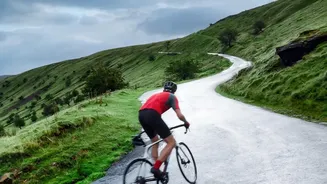
Riding a scooter or motorcycle in the rain requires an extra layer of caution. Besides wearing proper waterproof gear and a full-face helmet with an anti-fog visor, your riding style must adapt. Roads are slipperiest during the first rains of the season, as this is when oil and grime on the surface mix with water. Be gentle with your controls; avoid sudden acceleration, sharp turns, and hard braking, as these can easily lead to a skid. Use both front and rear brakes gradually. Be extremely wary of painted road markings and manhole covers, which become exceptionally slippery when wet. Give larger vehicles like buses and trucks a wide berth, as they can splash huge amounts of water, impairing your vision and stability.
5. Navigate Public Transport Wisely
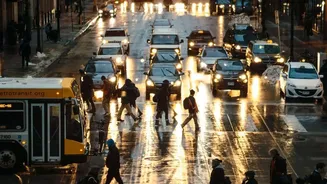
Using public transport like buses, trains, or the metro can help you avoid the stress of driving, but it comes with its own set of challenges. Expect delays and larger crowds than usual. Plan to leave earlier to account for slower services. Be extremely careful at stations and bus stops, as platforms and floors can be very slippery. Avoid rushing or running. When waiting for a bus, stand back from the curb to avoid being splashed by passing vehicles. Inside the vehicle, place wet umbrellas and bags on the floor under your seat to keep aisles clear and seats dry for other passengers. Keeping your phone charged is important here too, especially if you rely on apps for real-time travel updates or for safety features offered by some services.