






What Exactly Is Payment Metadata?
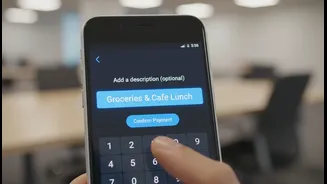
Payment metadata is all the information that travels with your digital transaction, beyond just the amount. This includes the sender's and receiver's details, the date, the time, and, most importantly, the description or remarks field. Every time you send money
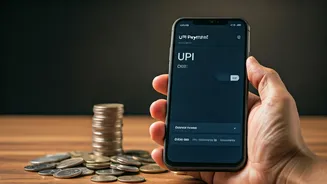
via UPI, NEFT, or RTGS and add a note like “for dinner,” “loan repayment,” or a casual joke, you are creating metadata. While it seems trivial, this information creates a lasting record linked to your bank account and, by extension, your PAN card. This digital trail is easily accessible to financial institutions and regulatory bodies, transforming a simple note into a piece of financial data that can be scrutinised.
The Tax Department's AI-Powered Watchtower
The Indian Income Tax Department has significantly upgraded its capabilities, employing artificial intelligence (AI) and sophisticated data analytics to monitor financial transactions. These systems are designed to sift through billions of digital payments to find patterns, anomalies, and red flags that might indicate tax evasion or undisclosed income. The department's AI compares the financial activity in your bank accounts, as seen through UPI and other transfers, with the income you declare in your tax returns. A significant mismatch between your spending patterns and your declared income can trigger an alert, leading to further investigation. This non-intrusive, data-driven approach means every digital transaction, no matter how small, contributes to the overall financial picture the taxman sees.
Words and Phrases That Raise Red Flags
The remarks you enter can inadvertently categorise a transaction in a way that invites tax implications. For example, receiving money with the description “loan” could be questioned, as could a large payment labelled “gift.” Gifts from non-relatives exceeding ₹50,000 in a financial year are taxable as 'income from other sources' under Section 56(2) of the Income Tax Act. Using casual, but risky, phrases like “black money” or other jokes related to illegal activities can also trigger automated alerts, even if meant ironically. Similarly, transactions labelled as business payments might be cross-referenced with your GST filings. The key takeaway is that the system is automated and cannot understand context or humour; it only sees keywords that may correspond to taxable events.
From a Careless Remark to a Tax Notice
If a transaction is flagged by the system, it can lead to real-world consequences. The most common outcome is the issuance of a notice under Section 133(6) of the Income Tax Act. This provision empowers tax authorities to demand information and documents from you or third parties like banks to verify financial transactions. Responding to such a notice requires you to explain the nature of the transaction and provide supporting evidence. Even if the transaction is entirely legitimate—like a friend repaying a loan—the onus is on you to prove it. This can lead to a significant amount of administrative work, stress, and potentially the cost of hiring a tax professional to handle the inquiry. Failure to comply can result in penalties.
Best Practices for Safe Digital Transactions
The goal isn't to be scared of digital payments but to be smarter about them. Adopting a few simple habits can save you from future trouble. First, be clear and accurate in your descriptions. If you're paying rent, write “Rent May 2026.” If you are repaying a friend for a meal, state that clearly. Avoid vague or joking remarks entirely. Second, it's crucial to maintain good records of your transactions, especially for large amounts or funds that could be misconstrued as income. For legitimate loans or gifts, having informal documentation like a message or email can provide valuable context if questioned. Finally, regularly check your Annual Information Statement (AIS) on the income tax portal. This shows you the financial information the tax department has on you, allowing you to spot and address discrepancies proactively.