







The Quest for Value, Not Just a Low Price
On the surface, it looks like a simple cost-saving measure. Gym memberships, especially in metro cities, can be a significant monthly expense. But for many, the issue isn't just the price tag; it's the perceived value. Young professionals are asking:
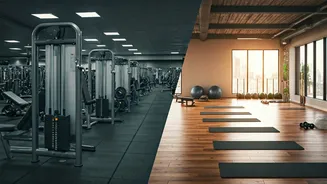
why pay a hefty fee for a crowded space and equipment I might use only a few times a week? Many feel they are subsidising amenities they never touch, from steam rooms to rows of machines designed for bodybuilders. The equation has shifted from 'how much does it cost?' to 'what am I actually getting for my money?'. This value-conscious mindset pushes them towards pay-per-class models or specialised programs where every rupee spent feels directly tied to a tangible experience or skill learned.
Flexibility is the New Fitness Mantra
The post-pandemic work culture, with its blend of office and remote work, has shattered the 9-to-5 routine. The idea of commuting to a fixed gym location at a specific time feels rigid and outdated. Young Indians now demand fitness that fits their fluid schedules, not the other way around. This is where digital fitness platforms and hybrid models shine. Apps like Cult.fit offer a mix of at-home live classes and access to a network of physical centres, providing unparalleled flexibility. Whether it's a 30-minute HIIT session between Zoom calls or a weekend yoga class at a studio across town, the power of choice is paramount. The traditional gym's one-location, fixed-hours model is simply no longer compatible with this new, agile lifestyle.
The Search for Community and Connection
The anonymous, headphones-on culture of a large commercial gym is losing its appeal. In its place is a growing desire for community and shared experience. Boutique studios—focusing on CrossFit, MMA, Pilates, or dance fitness—thrive on building tight-knit groups. Here, you're not just another member; you're part of a team that sweats, struggles, and celebrates together. This sense of belonging is a powerful motivator. Similarly, free urban running clubs and cycling groups are booming. They transform a solitary activity into a social one, offering accountability and friendship alongside fitness. For a generation that values experiences and connections, a workout is no longer just about burning calories; it's about building bonds.
A Broader Definition of Wellness
The concept of 'getting fit' has evolved dramatically. It's no longer solely about aesthetics, building biceps, or achieving a certain weight. The modern definition of wellness is holistic, encompassing mental health, functional strength, mobility, and mindful practices. Young Indians are increasingly drawn to activities that nourish both mind and body. Yoga studios, for example, offer not just physical postures but also breathwork and meditation. Martial arts dojos teach discipline and focus along with self-defence. This holistic approach is something many large, equipment-focused gyms are ill-equipped to provide. They were built for an era of physical transformation, but the new generation is seeking a more integrated form of self-improvement.
The Rise of the Creator-Led Digital Gym
Why pay for a gym when you can get expert guidance from a trusted fitness creator on YouTube or Instagram for free or a nominal fee? A new wave of Indian and international fitness influencers provides high-quality workout routines, nutritional advice, and motivational content directly to their followers' phones. They build a personal connection and trust that a faceless gym brand cannot replicate. With minimal equipment—a yoga mat, a pair of dumbbells, and resistance bands—one can follow structured, effective programs from the comfort of home. This democratisation of fitness knowledge has empowered millions to take control of their health journey without ever stepping inside a gym.