




Start with the Serving Size
Before you check any other number, look at the serving size and servings per container, located at the very top of the nutrition label. This is the single most important reference point. All the values that follow—calories, protein, sugar—are based on this
amount, which may be much smaller than the amount you plan to eat. A small bag of protein chips might seem healthy until you realize the package contains three servings, and suddenly the calories, sodium, and fat triple. This is a common tactic used to make a product's numbers look more appealing. Always ask yourself: is the serving size realistic for how I'll consume this product?
Verify the Protein-to-Calorie Ratio
A product can be high in protein but also extremely high in calories, which may not align with your health goals. A good rule of thumb for a protein-focused food is to aim for at least 1 gram of protein for every 10 to 15 calories. For example, a bar with 15 grams of protein and 180 calories is a solid choice. In contrast, a snack with 8 grams of protein for 200 calories isn't working as hard to meet your protein needs. In India, the FSSAI has specific rules for these claims: a product can only be called a 'source of protein' if it meets a certain threshold, and 'high in protein' if it meets an even higher one, ensuring the claims have some basis.
Hunt for Hidden Sugars
Many popular protein bars, shakes, and snacks are essentially candy bars in disguise. It is crucial to check the 'Added Sugars' line on the nutrition label. This number tells you how much sugar was put in during processing, as opposed to the sugars naturally present in ingredients like fruit or milk. High amounts of added sugar can negate the health benefits of the protein, contributing to weight gain and other health issues. Be wary of ingredients like high-fructose corn syrup, cane sugar, dextrose, and even seemingly healthier options like honey or maple syrup if they appear high up on the ingredients list.
Don't Ignore Sodium and Fats
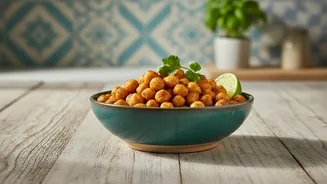
Savoury high-protein snacks like roasted chickpeas or protein crisps can be a major source of hidden sodium. Excessive sodium intake is linked to high blood pressure and other cardiovascular problems. As a general guide, aim for foods with a low percentage daily value (%DV) for sodium. Similarly, check the type and amount of fat. While some fats from nuts and seeds are healthy, you should limit saturated and trans fats. If you see “partially hydrogenated oil” in the ingredients list, the product contains trans fat, even if the label says 0g, as manufacturers can round down if the amount is less than 0.5g per serving.
Examine the Ingredients List
The ingredients list is arguably more revealing than the nutrition table itself. Ingredients are listed by weight, so the first few items make up the bulk of the product. Look for whole food ingredients you recognize. When it comes to protein, the source matters. Animal-based proteins like whey, casein, egg, and meat are 'complete proteins,' containing all nine essential amino acids our bodies can't make. Plant-based sources like soy and quinoa are also complete. Other plant proteins from peas, rice, nuts, and seeds are often 'incomplete' but can be combined to provide a full amino acid profile. Be cautious of products with long, chemical-sounding ingredient lists or vague terms like "proprietary protein blend," which can hide lower-quality sources.