






The Enduring Allure of Railway Adventures
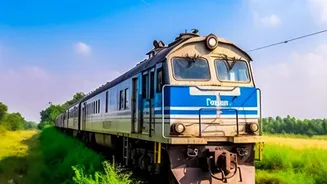
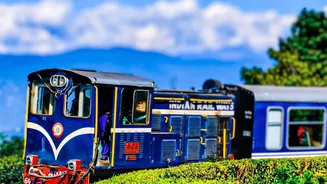
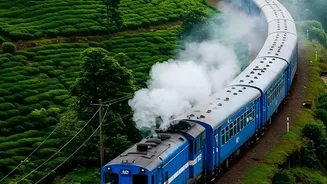
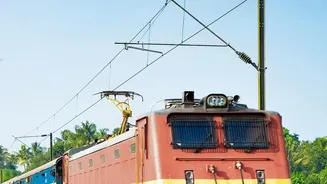
In an era of quick flights, the romance of train travel holds a special appeal, particularly for the young and budget-conscious. Indian Railways, with its sprawling network, offers an experience that is as much about the journey as the destination. An
overnight train trip is a rite of passage, a space of shared meals, unfolding landscapes, and conversations with strangers. For a generation seeking authentic experiences, it represents a chance to disconnect from the digital world and watch the diverse tapestry of India roll by. This mode of travel isn't just nostalgic; it's intensely practical. By travelling through the night in a sleeper or 3AC coach, young adventurers save on a night's accommodation and wake up at the doorstep of their destination, refreshed and ready to explore.
Gateway Cities to India’s Tiger Heartland
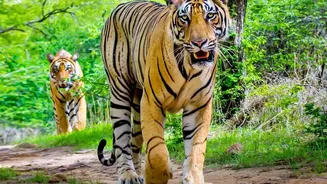
Central India, particularly the state of Madhya Pradesh, is famed for its dense forests and rich biodiversity, earning it the moniker 'Tiger State'. National Parks like Kanha, Bandhavgarh, and Pench are the crown jewels of this region, immortalised in literature and revered for their conservation success. The key to accessing these green reserves lies in two major cities: Jabalpur and Nagpur. Both are major railway junctions with excellent connectivity, receiving dozens of overnight express trains from metropolises like Delhi, Mumbai, Kolkata, and Pune every day. This robust network means that a student in Delhi or a young professional in Mumbai can board a train on a Friday evening and be in the heart of tiger country by Saturday morning.
Connecting the Last Mile Affordably
Arriving at a major station is only the first step. From Jabalpur or Nagpur, the parks are a few hours away by road. This 'last mile' is where the ecosystem of youth tourism truly shines. Outside the stations, a fleet of shared taxis and local buses are ready to ferry travellers to the park gates for a fraction of the cost of a private cab. For instance, from Jabalpur, Kanha is about 160 km away, a journey easily made by road. Similarly, Pench National Park is well-connected to Nagpur, which is just over 90 km away. Bandhavgarh's nearest major railheads are Katni (100 km) and Umaria (35 km), both accessible via major train routes. Young travellers often team up, sharing costs and stories as they complete the final leg of their journey into the wild.
Budget Stays and Backpacker Culture
The myth that wildlife tourism is exclusively for the wealthy is being busted by a growing number of budget-friendly accommodation options around these parks. While luxury resorts have their place, the rise of homestays, guesthouses, and even backpacker hostels caters directly to a younger demographic. These establishments offer clean, safe lodging and home-cooked meals at affordable prices. More importantly, they foster a sense of community, with common areas buzzing with tales from the day's safaris. This burgeoning backpacker culture allows young people to experience the jungle without breaking the bank, prioritising the thrill of the safari over opulent lodgings.
An Experience Beyond the Tiger
While the prospect of sighting a majestic tiger is the main draw, the experience offers so much more. It's about waking up to the alarm call of a deer, learning to identify bird calls on a nature walk, and understanding the delicate balance of the forest ecosystem from a knowledgeable guide. It is an education in conservation and a chance to interact with local communities, like the Baiga tribe in Kanha, who possess deep-rooted knowledge of the forest. For many young visitors, the trip is a powerful lesson in environmental stewardship, transforming them from passive tourists into active advocates for India’s natural heritage. The overnight train journey is the thread that stitches this entire experience together, making it a feasible, affordable, and profoundly impactful adventure.