




The Search for a Smarter Start
The shift away from processed cereals and toast isn't just about nostalgia; it’s a conscious choice driven by a growing awareness of health and wellness. Younger diners, more informed about nutrition than ever, are realising what their grandparents knew
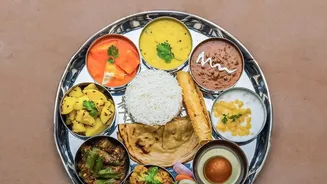
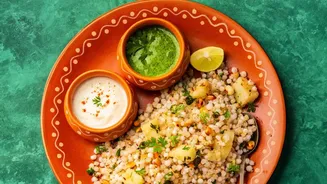
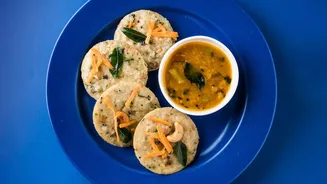
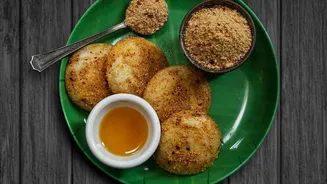
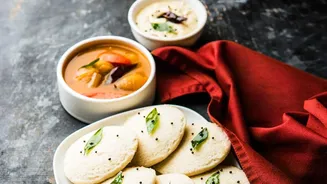
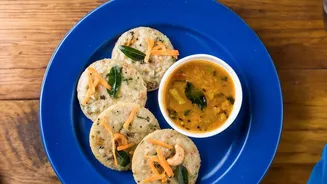
all along: a traditional Indian breakfast is built for sustained energy, not a quick sugar rush. Dishes like idli, which is steamed and fermented, are gaining favour for being light on the stomach and great for gut health. Poha, made from flattened rice and often tossed with vegetables, offers a wholesome and easily digestible start to the day. These meals provide complex carbohydrates that release energy slowly, preventing the mid-morning slump that often follows a sugary breakfast. This health-conscious generation is not just eating; they are optimising, and traditional recipes are fitting perfectly into their modern wellness goals.
The Comfort of the Familiar
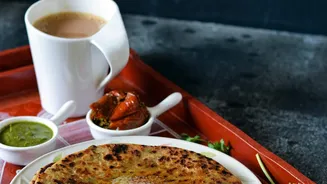
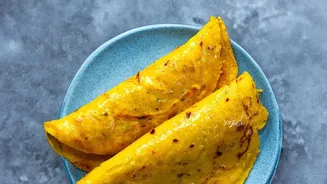
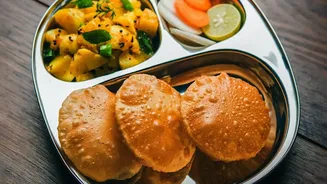
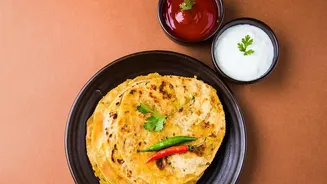
In a fast-paced, globalised world, there is a powerful pull towards food that feels like home. For many young Indians, especially those living away from their families, a plate of poha or a hot dosa is more than just a meal; it's a connection to their roots and a source of comfort. This desire for authenticity has made regional breakfast staples more popular than ever. Idli, dosa, upma, and parathas are dishes that don't need a clever marketing pitch because their value is already understood. They are the foods of home, canteens, and local tiffin shops. That deep-seated familiarity provides a sense of grounding before a busy day, making it an easy and satisfying choice that trendy, unfamiliar foods can't always replicate. The repeat value of these dishes is their true strength; you might try a smoothie bowl once a week, but you can happily eat idli for days.
The Modern Makeover in Cafes
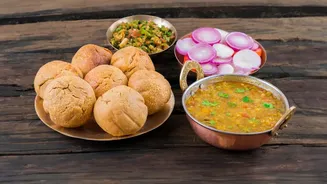
This revival isn't just happening in home kitchens. A new wave of cafes and all-day eateries is playing a crucial role in reintroducing traditional breakfasts to a younger, urban audience. These establishments are giving classic dishes a fresh, modern context. They are presented beautifully, making them perfect for an Instagram post, and are often served in settings that are contemporary and cool. Some chefs are even giving the classics a gentle twist, like creating dosas from quinoa or upma from millets, blending tradition with modern health trends. This cafe culture makes traditional breakfasts more accessible and appealing to diners who may not have the time or skill to prepare them from scratch. By offering dishes like chole bhature and filter coffee alongside avocado toast, these places are validating traditional foods as a legitimate and desirable choice for a modern lifestyle.
Millets and Grains Make a Comeback
Beyond the well-known staples, the renewed interest in traditional eating has sparked a full-fledged comeback for ancient grains like ragi, jowar, and bajra. Once considered humble, rural foods, these millets are now being celebrated for their immense nutritional benefits. They are naturally gluten-free, high in fibre, and have a low glycemic index, which helps in managing blood sugar levels. Younger, health-savvy consumers are seeking out these grains as alternatives to refined wheat and rice. You can now find ragi dosas, millet upma, and jowar porridge on trendy cafe menus and in health food stores. This trend shows a deeper engagement with Indian culinary heritage, where diners are not just returning to popular dishes but are exploring the foundational ingredients that have nourished people on the subcontinent for centuries.