


A Familiar Favourite, Reimagined
For generations, a small spoonful of mukhwas has been the traditional Indian way to conclude a meal. Stemming from ancient Ayurvedic practices, this mix of seeds and spices serves as a digestive aid and palate cleanser. The word itself, derived from the Sanskrit
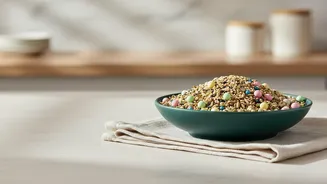
'mukh' (mouth) and 'vas' (fragrance), perfectly describes its purpose. Traditionally, this often meant a simple handful of fennel seeds (saunf), sometimes coated in colourful sugar, served from a small bowl at home or at the exit of a restaurant. But now, a generation of young, creative entrepreneurs is looking at this age-old practice and seeing a world of possibility, transforming the humble mukhwas into a premium, artisanal product.
The New Guard of Mukhwas Makers
Across India, a wave of direct-to-consumer (D2C) brands, often founded by millennials and Gen Z, is disrupting the largely unorganised mukhwas market. These founders recognized a gap: while other food categories had evolved, mukhwas often lacked consistent branding, transparent ingredient lists, and modern packaging. Inspired by everything from family recipes to a global interest in clean-label, healthy food options, they are creating products for a new generation of consumers. Their approach is defined by a focus on quality, hygiene, and beautiful presentation, turning a functional product into a desirable lifestyle good. These brands aim to create a cultural shift, redefining mukhwas as an everyday essential for the modern, health-conscious consumer.
What Makes It Artisanal?
The shift from traditional to artisanal is all about the process and the ingredients. Unlike mass-produced varieties that may use artificial colours and preservatives, these new-age brands champion natural, high-quality components. The 'artisanal' label signifies small-batch production, which allows for greater quality control. A key technique is roasting, not frying, the seeds. This method enhances the natural aroma and crunch of the ingredients without adding unnecessary oils. The focus is on creating complex flavour profiles that are balanced and sophisticated, moving away from overly sugary concoctions. Many brands also offer supari-free (betel nut-free) and low-sugar options to cater to health-conscious customers.
Beyond Fennel: A New Pantry of Ingredients
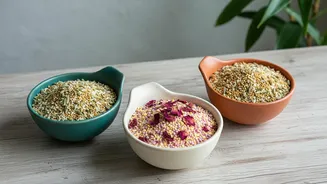
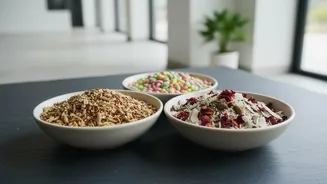
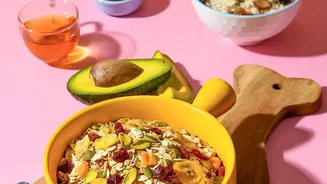
While fennel remains a hero ingredient, the new mukhwas blends are a testament to culinary creativity. The pantry has expanded to include a wide array of seeds, nuts, fruits, and botanicals. You'll now find mixes featuring roasted flax seeds, pumpkin seeds, watermelon seeds, and white and black sesame seeds. To this base, entrepreneurs add botanicals and other flavourings like sun-dried rose petals, gulkand (rose petal preserve), cardamom, dried coconut flakes, and even pieces of dried dates. This allows for a huge range of flavour profiles, from sweet and floral to spicy and savory. Some brands even offer 'wellness' blends that incorporate ingredients like mulethi (licorice) and ajwain (carom seeds) for their digestive properties.
More Than a Mouth Freshener
As the ingredients have become more gourmet, so too have the uses for mukhwas. It is no longer just a post-meal digestive. These crunchy, flavourful mixes are being positioned as healthy, anytime snacks. The beautiful textures and colours make them an elegant addition to a cheese board or hosting platter when entertaining guests. Many people sprinkle them over salads, yogurt, or oatmeal for an added crunch and nutritional boost. This versatility is a core part of the appeal, transforming mukhwas from a ritual into a multipurpose pantry staple that aligns with modern eating habits.