


Swap Heavy Drapes for Lighter Fabrics
One of the most effective changes you can make is to your textiles. Heavy fabrics like velvet, jacquard, and even some thick cottons absorb moisture from the air, contributing to a stuffy and damp environment. This is the season to pack them away and embrace
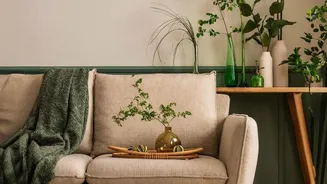
lighter, more breathable options. Sheer or lace curtains are an excellent choice, as they dry quickly and allow precious sunlight to filter through on less gloomy days, instantly brightening a room. Materials like linen and lightweight cotton are perfect for bedspreads, cushion covers, and throws. They don’t trap moisture and can be easily washed and dried, which is crucial for preventing the growth of mildew.
Choose Furniture That Breathes
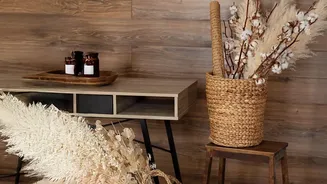
Wooden furniture, especially pieces made from particleboard or MDF, can swell and warp in high humidity. Solid woods like teak are naturally more resistant to moisture due to their high oil content, making them a durable, albeit premium, choice. An even better strategy is to incorporate furniture made from materials that are impervious to moisture. Think cane, rattan, and bamboo. These natural materials add a light, earthy aesthetic to any space and allow for excellent air circulation. Metal furniture, particularly powder-coated aluminum or galvanized steel, is another fantastic option. It's immune to moisture damage and rust, and its clean lines can provide a modern contrast to softer furnishings. For upholstered items, consider pulling them slightly away from walls to prevent moisture from getting trapped behind them.
Rethink Your Floors and Walls
Thick, plush carpets are a major culprit for trapping dampness and musty odours during the monsoon. Rolling them up and storing them in a dry place is a wise move. Instead, you can enjoy bare floors or use lightweight, washable cotton dhurries or plastic-woven rugs. These options don't hold onto moisture and are simple to clean if they get damp or dirty. For your walls, a fresh coat of humidity-resistant or anti-fungal paint can work wonders in preventing peeling and the growth of mould. Natural plasters like lime are also beneficial as they can absorb excess moisture from the air and release it when humidity levels drop. This is also a good time to check for and repair any leaks around windows and in ceilings to prevent water damage before it starts.
Brighten Up with Colour and Light
The grey, overcast skies of the monsoon can make interiors feel dark and gloomy. Counteract this by injecting pops of bright colour into your decor. Swapping out dark cushion covers for vibrant shades like citrus, turquoise, or fuchsia is a simple yet highly effective trick. You don't need a complete overhaul; a few colourful accents can lift the mood of the entire room. Enhance this effect with smart lighting. Use warm-toned LED bulbs to create a cosy, sun-like glow, and strategically place table lamps and floor lamps to brighten up dim corners. This combination of colour and light helps to create a cheerful and inviting atmosphere, no matter the weather outside.
Engage the Senses with Scents and Greenery
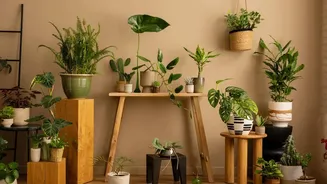
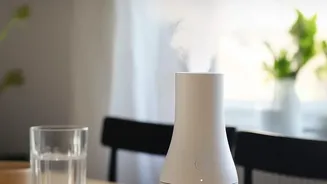
Fighting the quintessential monsoon mustiness is a battle for the senses. A well-ventilated home is your first line of defence; open windows whenever it isn't raining to encourage airflow. You can further enhance the freshness with natural elements. Bringing in houseplants not only adds life and a splash of green but can also help purify the air. Place fragrant flowers like jasmine, lilies, or tuberoses in vases around the home. Scented candles, reed diffusers with essential oils like lemongrass or eucalyptus, and even traditional wind chimes can also help. The gentle sound of chimes provides a soothing soundtrack to the rain, while pleasant fragrances actively combat any damp smells, ensuring your home smells as fresh as it looks.