




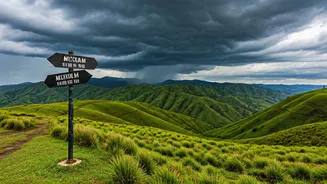
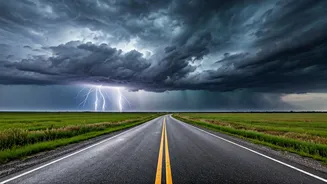


The Great Monsoon Travel Gamble
Every year, as the monsoon clouds gather, countless travellers dream of misty hills, lush green landscapes, and the joy of sipping chai while watching the rain. The reality, however, can be far less poetic. Unpredictable downpours can trigger landslides
in the mountains, cause flash floods in low-lying areas, and lead to widespread travel disruption. A dream drive through the ghats can become a terrifying ordeal, and a beachside retreat can be ruined by relentless, dangerous weather. Planning a trip between June and September often feels like a gamble, with travellers crossing their fingers and hoping for the best. This is where relying on generic weather apps, which might just show a simple rain icon, can be misleading. The Indian monsoon requires a more specialised and authoritative source of information.
Decoding the IMD's Colour Code
The IMD uses a simple, four-colour system to issue weather warnings, designed to be easily understood by the public. Knowing what these colours mean can be the difference between a safe trip and a risky one.
Green Alert (All is well): This signifies no severe weather is expected. You can proceed with your travel plans without any weather-related concerns.
Yellow Alert (Be Aware): This is the first level of caution. A yellow alert indicates the possibility of bad weather over the next few days. For a traveller, this is a signal to stay updated, be aware of your surroundings, and know that your plans might face minor disruptions. It typically corresponds to moderate rainfall (64.5 mm to 115.5 mm).
Orange Alert (Be Prepared): This is a serious warning. An orange alert is issued when extremely bad weather is expected, with the potential to disrupt travel, communication, and power supply. This could mean heavy to very heavy rainfall (115.6 mm to 204.4 mm). If you see an orange alert for your destination, you should be prepared to alter your plans, avoid risky areas, and brace for significant delays.
Red Alert (Take Action): This is the highest level of warning and should be taken very seriously. A red alert indicates a high likelihood of extremely severe weather that poses a significant risk to life and property. It is often issued for extremely heavy rainfall (over 204.5 mm). When a red alert is in effect, the advice is simple: avoid travel to or within the affected area.
Where to Find Official IMD Alerts
To make informed decisions, it is crucial to get your information from the right sources. Instead of relying on third-party apps or social media rumours, go directly to the official channels. The IMD disseminates its warnings through several platforms. The 'Mausam' app, available on both Android and iOS, is the primary mobile application providing current weather, forecasts, and warnings. The official IMD website (mausam.imd.gov.in) is another comprehensive resource, offering detailed forecasts, radar imagery, and district-wise warnings. For lightning-specific alerts, the 'Damini' app is highly recommended. You can also access IMD services through the multipurpose 'UMANG' app. Following the IMD's official social media accounts can also provide timely updates.
Applying the Alerts to Your Trip
So, how do you use this in practice? Let's say you are planning a weekend trip to a hill station. A week before, you start monitoring the IMD's extended forecast. A few days out, you check for any specific colour-coded warnings for the district you are visiting. If a 'Yellow' alert is issued, you proceed with caution, perhaps packing extra supplies and ensuring your vehicle is in top condition. If it's upgraded to an 'Orange' alert, it’s time to reconsider. You should contact your hotel to ask about local conditions and be prepared to postpone. If a 'Red' alert is issued, the decision is made for you: cancel or postpone the trip. It's simply not worth the risk. Remember to check not just your destination but also the route, as heavy rains can block highways far from your final stop. This proactive approach transforms you from a gambler into a smart, prepared traveller.