



Valley of Flowers, Uttarakhand: Nature’s Carpet
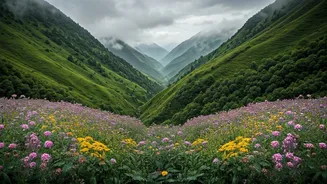
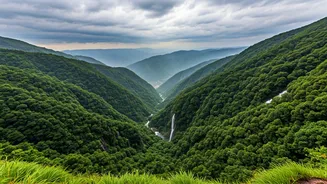
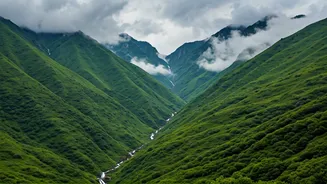
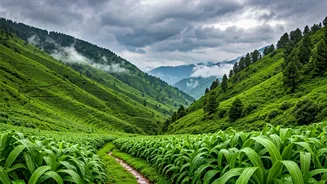
If there's one place that is truly at its best during the monsoon, it's the Valley of Flowers National Park. This UNESCO World Heritage Site becomes a vibrant tapestry of colour from July to September, with over 500 species of wildflowers blooming across
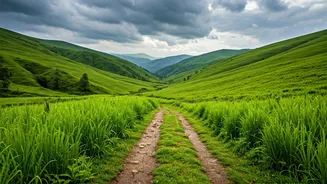
its meadows. [8] The monsoon rains rejuvenate the valley, creating a lush, green haven. [8] Species like the elusive Blue Poppy, Brahma Kamal, and countless orchids create a spectacle that attracts nature lovers and trekkers from across the globe. [18] The weather is cool and pleasant, with temperatures ranging from 10°C to 20°C, making it ideal for the trek into this floral wonderland. [7, 9] Be prepared for rain and muddy trails, but the unparalleled beauty is worth it.
Dharamshala & McLeod Ganj, Himachal Pradesh: Misty Charm
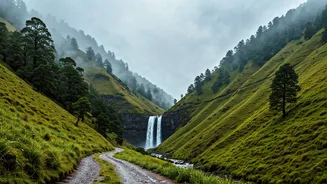
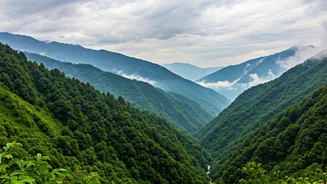
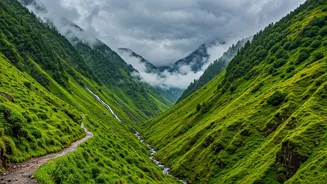
Dharamshala and its upper suburb, McLeod Ganj, become a fairytale-like destination during the rains. [12] The Dhauladhar range plays hide-and-seek behind low-floating clouds, and the scent of wet earth and pine fills the air. [25] This is the perfect season for slow travel; find a cosy café, sip on hot ginger tea, and watch the misty streets from a window. [25] The famous Bhagsunag Waterfall is at its most powerful and beautiful during this time. [25] While the popular Triund trek can be slippery and should only be attempted if weather permits, the cultural heart of McLeod Ganj, with its monasteries and Tibetan markets, offers a peaceful and soulful retreat from city life. [25] The season also means fewer crowds and potentially lower prices for accommodation. [25]
Spiti Valley, Himachal Pradesh: The Rain Shadow Surprise
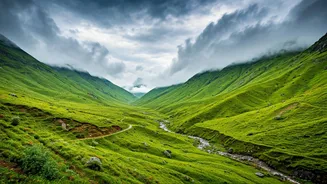
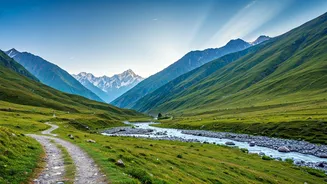
While most mountain regions are drenched in rain, Spiti Valley offers a unique monsoon experience. Located in a rain shadow zone, it receives minimal rainfall, making it a relatively dry and accessible destination for adventure seekers. [4, 10] The light showers that do occur bring a rare hint of green to the stark, cold desert landscape, creating a stunning contrast against the brown mountains. [4, 5] This season offers clearer skies for stargazing and an opportunity to explore ancient monasteries like Key and Tabo in serene solitude with fewer tourists. [4] While the valley itself is dry, the approach roads from Manali or Shimla can be challenging due to landslides, so it's an adventure best suited for the well-prepared. [10, 14]
Kausani, Uttarakhand: A Window to the Himalayas
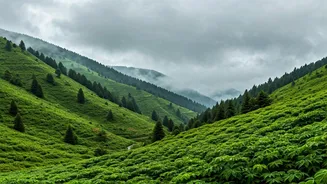
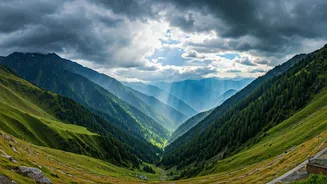
Known for its panoramic views of Himalayan peaks like Nanda Devi and Trishul, Kausani is a quiet hill station that turns incredibly green and fresh during the monsoon. [19] Clouds often float right up to your window, creating a magical atmosphere. [19] It’s an ideal spot for a peaceful getaway, far from the bustling crowds of more commercialised hill stations. Visitors can take leisurely walks through the lush Kausani Tea Gardens or visit the Anasakti Ashram, where Mahatma Gandhi once stayed. [19] The monsoon washes the landscape clean, offering crisp, clear views of the snow-capped peaks after a spell of rain. [19]
Essential Tips for a Safe Monsoon Trip
Travelling to the mountains during the monsoon requires careful planning. Landslides and roadblocks are a real possibility, so always add buffer days to your itinerary. [20, 21] Check weather forecasts regularly and consult locals about road conditions before heading out. [30] Pack smart: invest in waterproof footwear with good grip, a reliable raincoat, and quick-drying synthetic clothes. [28, 31] Cotton should be avoided as it takes a long time to dry. [28] Protect your electronics in waterproof bags, as moisture can be as damaging as direct rain. [21] Finally, carry insect repellent, as the monsoon is a prime time for mosquitoes and other bugs. [20]