


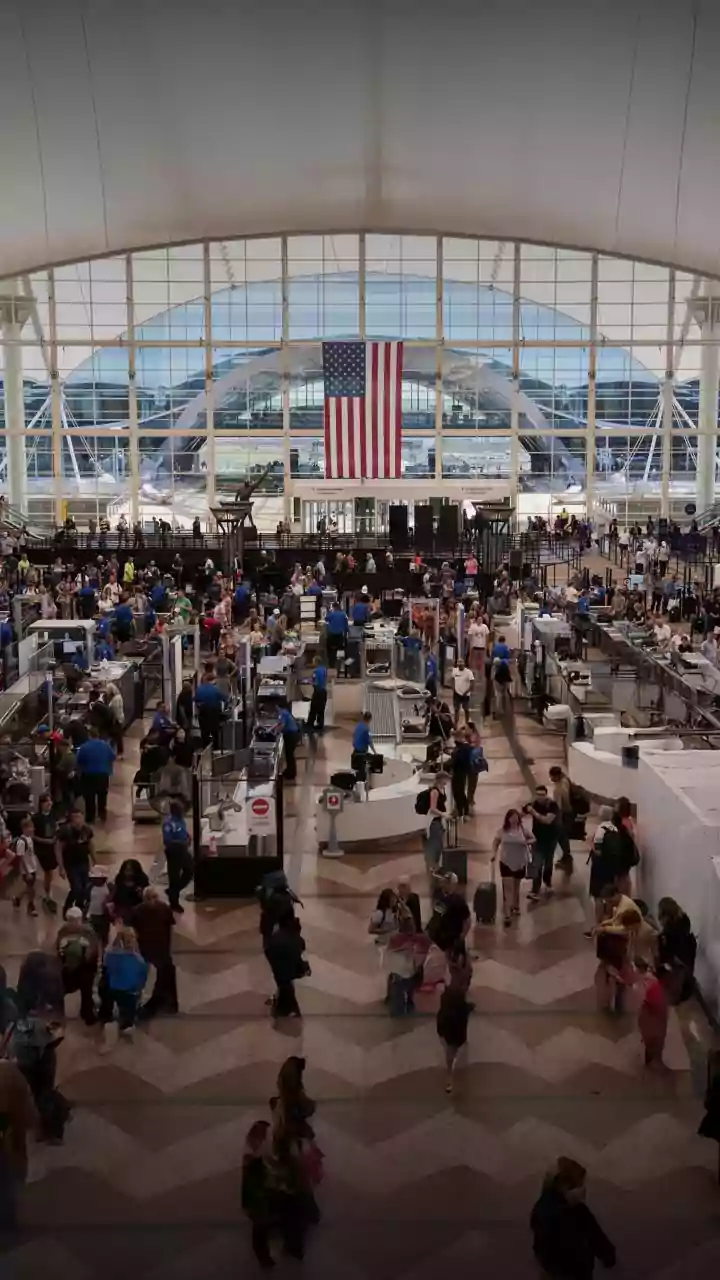






In our cities, a choice presents itself: the air-conditioned predictability of a mall or the vibrant chaos of a local bazaar. While malls offer convenience, bazaars provide a richness that engages the senses and fosters a unique human connection.
A Symphony for the Senses
Stepping
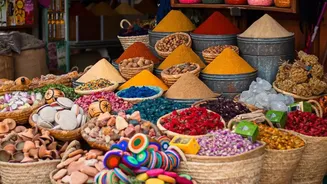
into a local bazaar is a full-body experience. It’s a sensory feast that a mall, with its sterile corridors and generic pop music, simply cannot replicate. The air in a bazaar is thick with a medley of aromas: the sweet scent of fresh jasmine, the sharp tang of spices, and the irresistible smell of street food being cooked on the spot. Your eyes are treated to a riot of colour, from piles of fresh produce and vibrant textiles to handcrafted pottery and gleaming trinkets. The soundscape is just as rich—a chorus of vendors calling out their prices, the energetic chatter of bargaining, and the general buzz of a community in motion. This chaotic, organic atmosphere makes shopping an adventure, not just a transaction. It’s a world away from the controlled, predictable, and often monotonous environment of a shopping mall.
The Personal Connection
One of the most significant differences lies in the interaction. Mall shopping is largely anonymous; you pick an item, pay a cashier you'll likely never see again, and leave. Bazaars, on the other hand, are built on relationships. They are places of social interaction where vendors often know their regular customers by name. This familiarity builds trust. You can ask a vendor about the origin of their vegetables, get a recommendation for the best seasonal fruit, or even share a moment of light-hearted banter. This personal connection turns a simple purchase into a meaningful exchange. In many local markets, the lines between public and private zones blur, creating an informal and welcoming atmosphere that fosters community.
The Thrill of Discovery and the Art of the Bargain
Malls are home to global brands offering standardized products you can find in any major city. Bazaars are treasure troves of the unique and the unexpected. Here, you can discover one-of-a-kind handmade crafts, regional textiles, and locally made goods that tell a story. This is the ‘thrill of the hunt’—the joy of stumbling upon something truly special that wasn’t mass-produced. Complementing this is the interactive art of bargaining. Far from being a mere attempt to lower prices, haggling is a form of engagement, a playful negotiation between buyer and seller. This dynamic process is a skill and a tradition, making the shopper an active participant in the purchase rather than a passive consumer.
More Than a Market, It's a Community Hub
Historically, bazaars have been the heart of community life, serving as centres for trade, communication, and social gathering. This holds true even today. A trip to the bazaar is often more than just a shopping run; it's a social outing. It’s a place where neighbours cross paths and exchange news, reinforcing the social fabric of the neighbourhood. In contrast, malls are often described as privately owned public spaces, designed to create a filtered environment for a specific shopper profile, which can exclude parts of the community. Bazaars are inherently more democratic and inclusive, a true extension of the street, accessible to everyone regardless of their background. They are vibrant pockets of city life that foster a shared urban identity.
Supporting the Local Ecosystem
When you shop at a local bazaar, your money directly supports small business owners, artisans, and farmers from the surrounding community. This strengthens the local economy, helps preserve traditional crafts, and promotes a more sustainable model of commerce. Many items in bazaars have a smaller environmental footprint, with less packaging and fewer 'food miles' compared to goods in large retail chains. It’s a conscious choice to invest in the authenticity and economic health of your own city, ensuring these vital cultural spaces continue to thrive for generations to come.