





Understanding the Orionids
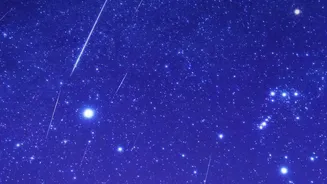
The Orionid meteor shower is an annual event that occurs when our planet travels through the stream of debris left behind by the famous Halley's Comet. These tiny particles, often no bigger than a grain of sand, burn up upon entering Earth's atmosphere
at incredible speeds—about 66 kilometres per second—creating the bright streaks of light we call 'shooting stars'. They are named 'Orionids' because they appear to radiate from a point in the sky near the constellation Orion, the Hunter. While the shower is active from early October to early November, it has a specific peak when viewing is at its best.
Mark Your Calendar: The Peak Night
For viewers in India and across the globe, the Orionid meteor shower in 2026 is predicted to peak on the night between October 21 and the pre-dawn hours of October 22. This is when you have the chance to see the highest number of meteors. Under ideal dark-sky conditions, you might see between 15 to 20 meteors per hour. However, 2026 presents a challenge: a bright waxing gibbous Moon will be in the sky for much of the night, washing out fainter meteors.
The Best Time to Watch in India
The key to watching the Orionids this year is to wait for the Moon to set. On the mornings of October 21 and 22, the Moon will set around 3 a.m. local time. This creates a prime viewing window between roughly 3 a.m. and the beginning of dawn, around 5:30 a.m. During these hours, the sky will be at its darkest, giving you the best opportunity to spot the fast-moving meteors. The radiant point in Orion will be high in the eastern sky after midnight, but you don't need to stare directly at it; meteors can appear anywhere in the sky.
Finding the Perfect Viewing Spot
The single most important factor for a good meteor-watching experience is getting away from city lights. Light pollution from cities like Delhi, Mumbai, or Bengaluru can drastically reduce the number of visible meteors. Try to find a location on the outskirts of your city, in a rural area, or a designated dark-sky spot. Places with a wide, unobstructed view of the sky are ideal. This could be a terrace, a field, or a quiet park. The darker your surroundings, the more spectacular the show will be.
What to Bring (and What to Leave)
You don't need any expensive equipment like a telescope or binoculars to watch a meteor shower; your eyes are the best tool for the job. Instead, focus on comfort. Bring a reclining chair or a blanket to lie on the ground. October nights can get chilly, so dress in warm layers. One crucial tip: allow your eyes to adjust to the darkness for about 20-30 minutes and avoid looking at your bright phone screen, as it will ruin your night vision. A hot beverage in a flask can also make the pre-dawn wait more enjoyable.
Patience Is Everything
Meteor watching is a game of patience. Meteors often come in spurts, with quiet lulls in between. Don't be discouraged if you don't see one right away. Lie back, relax, and take in the vastness of the night sky. The Orionids are known for being fast and bright, and some even leave persistent, glowing trails that can linger for a few seconds. The experience isn't just about counting meteors, but about enjoying a peaceful and awe-inspiring natural event.