





Why the Refrigerator Ruins Your Tea
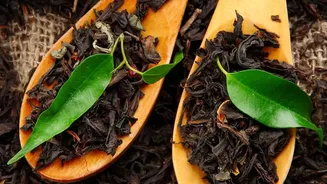
Many people assume that because a refrigerator preserves food, it must be a good place for tea. In reality, it’s one of the worst. Dry tea leaves are hygroscopic, meaning they act like natural sponges, readily absorbing moisture and odours from their
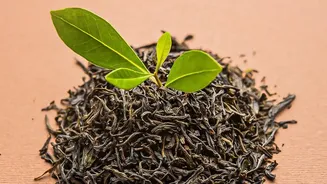
environment. A refrigerator is a high-humidity space filled with the aromas of other foods. Storing your tea there exposes it to two of its greatest enemies. First, moisture from condensation can ruin the leaves, potentially leading to mould. Every time you take the container out of the cold, condensation forms, introducing a small amount of water that degrades the tea's quality. Second, tea's absorbent nature means it will soak up the smells of everything from leftover onions to strong cheeses, permanently tainting its delicate flavour profile.
The Five Enemies of Fresh Tea
To understand how to protect your tea, it helps to know what you’re fighting against. There are five main factors that cause tea to go stale: moisture, air, light, heat, and strong odours. Moisture kickstarts the degradation process and can cause mould. Air, specifically the oxygen in it, continues the oxidation process that began during manufacturing, which makes the flavour flat and dull. Light, especially direct sunlight, contains UV rays that break down the chemical compounds responsible for tea's complex taste and aroma. Heat accelerates all of these chemical reactions, causing the tea to lose its essential oils and character much faster. Finally, as mentioned, tea’s ability to absorb ambient smells means it must be kept isolated from anything with a strong scent, including coffee and spices.
The Ideal Storage Protocol
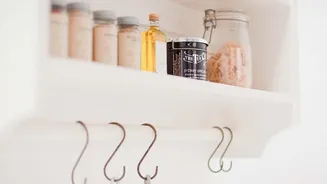
The perfect environment for tea is the complete opposite of a refrigerator. The goal is to find a spot that is cool, dark, dry, and away from any aromatic competition. For most people, a pantry or kitchen cupboard is the ideal location, provided it is not directly next to the stove, oven, or a sunny window. Consistency is key; a stable, moderate temperature will preserve the tea's flavour for far longer than a place with frequent temperature swings. While some vendors may recommend refrigerating or freezing very specific, delicate green teas for long-term, unopened storage, this requires a perfectly airtight, vacuum-sealed container and a careful process of returning it to room temperature before opening to avoid condensation. For daily use, this is impractical and risky, making a cool pantry the superior choice.
Choosing the Perfect Container
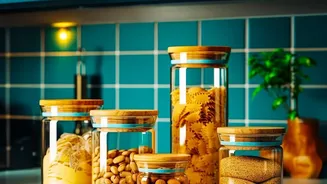
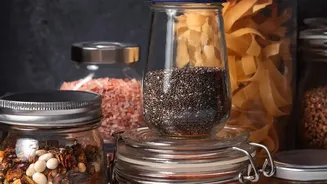
The container you use is your primary line of defense. The best options are opaque, airtight, and made of a non-porous material. Stainless steel or ceramic canisters are excellent choices because they block light, create a strong seal, and do not impart any odours of their own. Opaque glass can also work, but it should still be kept in a dark cupboard. Avoid clear glass jars if they will be exposed to any light. While they may look beautiful, they leave your tea vulnerable to degradation. Whatever container you choose, ensure it is appropriately sized. Storing a small amount of tea in a large container traps more oxygen inside, which can lead to faster staling. Many high-quality teas now come in resealable, light-proof pouches that are perfectly suitable for storage as long as the seal remains tight.
A Note on Brewed Tea
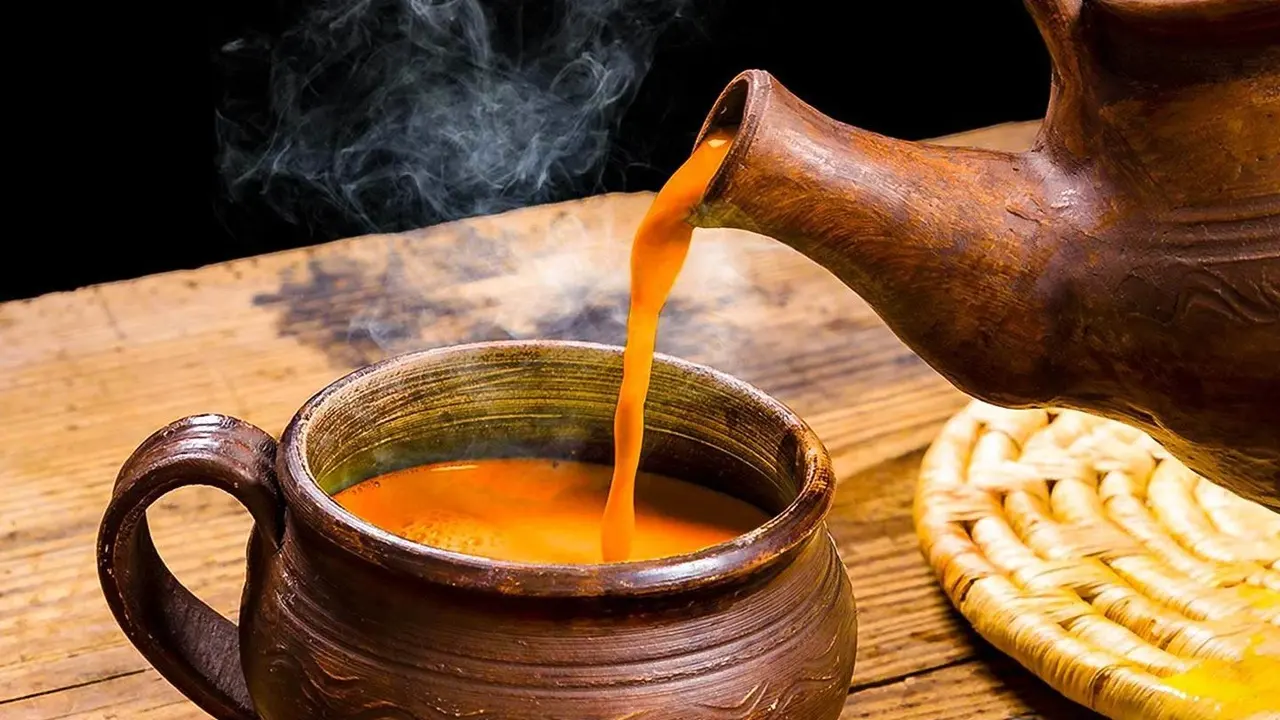
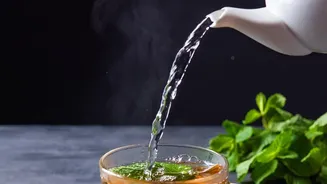
It’s important to distinguish between storing dry leaves and storing brewed tea. Once you've infused the leaves with water, the rules change entirely. Brewed tea, like any prepared beverage, must be refrigerated to prevent bacterial growth. If you make a pitcher of iced tea or have leftover hot tea, allow it to cool to room temperature before placing it in an airtight pitcher or container in the fridge. It should be consumed within three to five days for the best quality and safety. Any sugar or milk will shorten this window even further. But for your precious dry leaves, remember the mantra: cool, dark, dry, and airtight.